Advertisement
Mbadi vows to punish entities that fail to use e-procurement
29th August, 2025 07:02 AM

The National Treasury Cabinet Secretary John Mbadi has issued a firm warning to all government entities yet to adopt the new e-procurement system, emphasizing that failure to comply will attract punitive action.
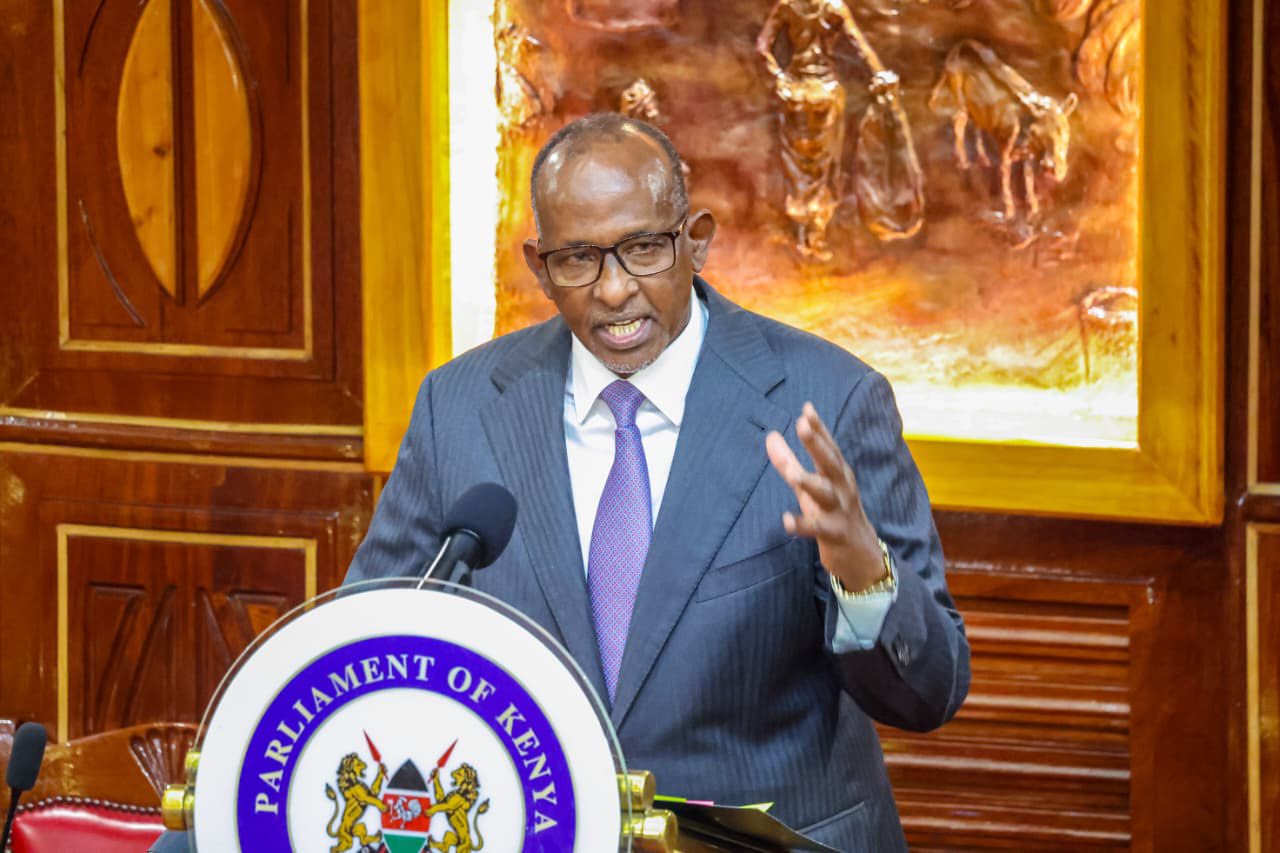
The CS made his remarks on Thursday, August 28, 2025, during an interview with a local media house, while explaining the government’s commitment to ensuring that all entities are fully onboarded to the new e-GPS system.
On his part, the Treasury CS has dismissed claims that enrollment in the new e-GPS system is optional.
“If an entity does not onboard on the e-procurement system, it will be irregular but not illegal. However, in accounting, irregularity is equally punishable as illegality,” Mbadi stated.
Likewise, the CS reiterated the government’s commitment to digitising procurement to enhance transparency, reduce corruption, and improve service delivery across all sectors.

Mbadi explains onboarding process
Similarly, while explaining the governments progress in having every entity enrolled in the new system, Mbadi fired back at the National Assembly members and the Council of Governors’ concerns over the new e-procurement system by the government concerns that not every entity has been fully trained.
The Treasury Cabinet Secretary, while addressing the leaders on Thursday, August 28, 2025, during an interview with a local media house, has affirmed that the government has trained all public finance management officers on how to handle the system
According to Mbadi, while addressing the National Assembly’s fears, he revealed that the compliance level of the e-government procurement is very high.
“The compliance level of the e-government procurement is very high. We have trained all state departments; we have trained all public finance management officers in all counties,” CS Mbadi said.
Mbadi further added that, “We are at the moment training through webinars 5000 more officers in the entire government system.”
On his part, John Mbadi has strongly dismissed claims that the government has taken secret loans, insisting that all information on Kenya’s securitisation plan is public and accessible.
The CS pointed out that institutions such as Kenya Commercial Bank (KCB) and Equity Bank had already accessed securitisation documents because they had shown interest in investing.
“Why can’t you have access to it? It’s only that you don’t have money to invest. Those who have money have seen this document,” Mbadi said, adding with a light touch that the information is open for scrutiny.