Kanja: DIG Lagat reported Ojwang for damaging his reputation
By Kenneth Mwenda, June 9, 2025Inspector General of Police Douglas Kanja has shed light on the controversial arrest of Albert Ojwang, who died while under arrest.
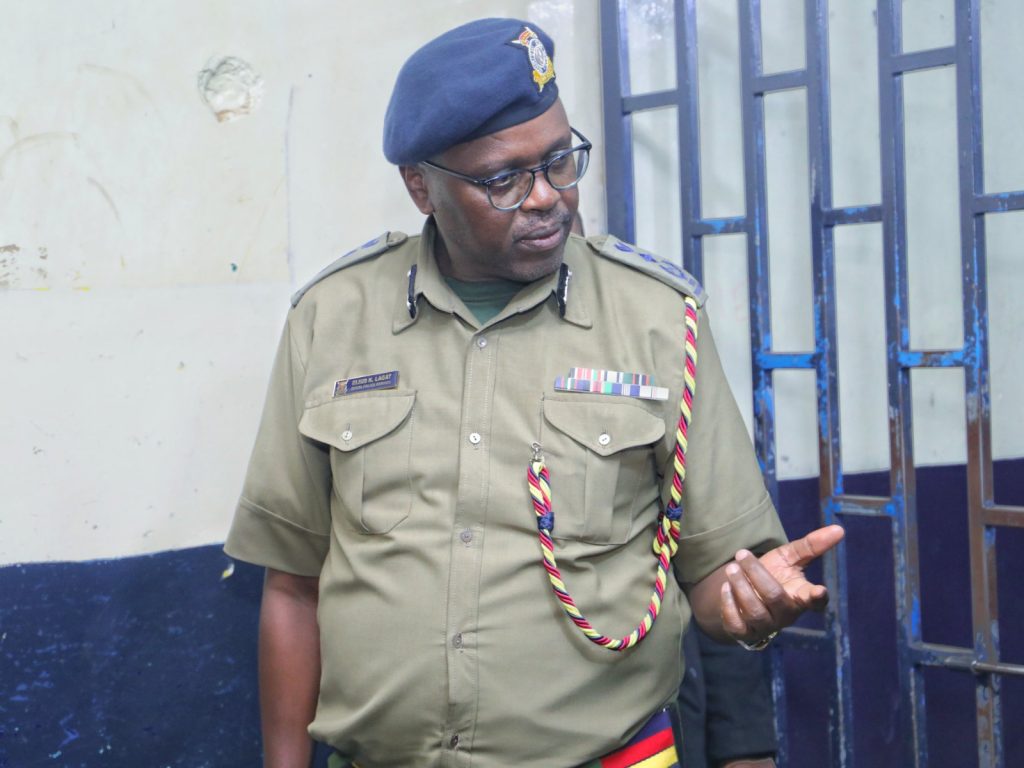
Kanja revealed that Ojwang’s arrest, along with others, was triggered by a formal complaint from Deputy Inspector General of Kenya Police Service (DIG KPS) Eliud Lagat, who claimed his reputation was being tarnished by Ojwang’s social media posts.
“The reasons why the late Ojwang was arrested together with others is because there was a complaint that had been lodged by the DIG KPS about his name being tarnished,” Kanja stated on Monday, June 9, 2025.
“It is on that basis investigations were being carried out because he has got a right.”
“I will be giving updates,” Kanja, addressing concern promised to provide regular updates on the case.
Ojwang’s subsequent transfer from Homa Bay to Nairobi’s Central Police Station, where he died under disputed circumstances, has fuelled allegations of police misconduct and intensified calls for accountability within the National Police Service.
IPOA’s probe and calls for cooperation
The Independent Policing Oversight Authority (IPOA), under Chairperson Ahmed Issack Hassan, is actively investigating Ojwang’s death. Hassan has issued a stern warning to officers appointed to act in place of those implicated, urging full cooperation with the probe.
“We also want to warn those who will be appointed to act in their places to cooperate with the investigators and not to interfere with the investigation,” he declared.
IPOA’s inquiry, mandated to scrutinise deaths caused by police actions, is focused on collecting forensic evidence and witness testimonies to establish the truth.
Hassan emphasised that any interference could derail justice, underscoring IPOA’s commitment to impartiality despite challenges like resource constraints and occasional police resistance.