Ichung’wah says Parliament quietly passed sections of rejected Finance Bill 2024
By Paulette Mboga, October 23, 2025National Assembly Majority Leader Kimani Ichung’wah has revealed that Parliament passed sections of the controversial Finance Bill 2024 in smaller parts, despite the public belief that the Bill had been completely rejected.
Speaking during the burial of the father of Inspector General of Police Douglas Kanja in Laikipia County on Thursday, October 23, 2025, Ichung’wah said lawmakers made several amendments before dividing the rejected Bill into four parts, which were later approved separately.
Ichung’wah explained that the decision to split the Bill came after widespread opposition from Kenyans during public participation. He said Parliament listened to citizens’ concerns and removed the clauses that had angered the public.
However, he added that the remaining parts of the Bill, which were considered important for government operations, were retained and passed quietly.
“Tuwe na mtindo ya kuambia Wakenya ukweli,” Ichung’wah said. “Na mimi huwa naingia kwa matatizo sana. Sisi washirika kama wa PCEA huwa tunasema tuseme kweli. Kanisa mtusaidie kusema na kunena mambo ya ukweli. Ukikumbuka mwaka uliopita 2024, tulipata matatizo wakati wa protest wa finance bill na tulijaribu sana kusema ukweli ulivyokua,” he added.
Finance Bill was split into four parts
Ichung’wah further explained that after Parliament received feedback from the public, it made changes to remove unpopular proposals. “Mpaka tukarekebisha ile bill tukatoa yale mambo Wakenya wakati wa public participation walisema hawataki,” he said.
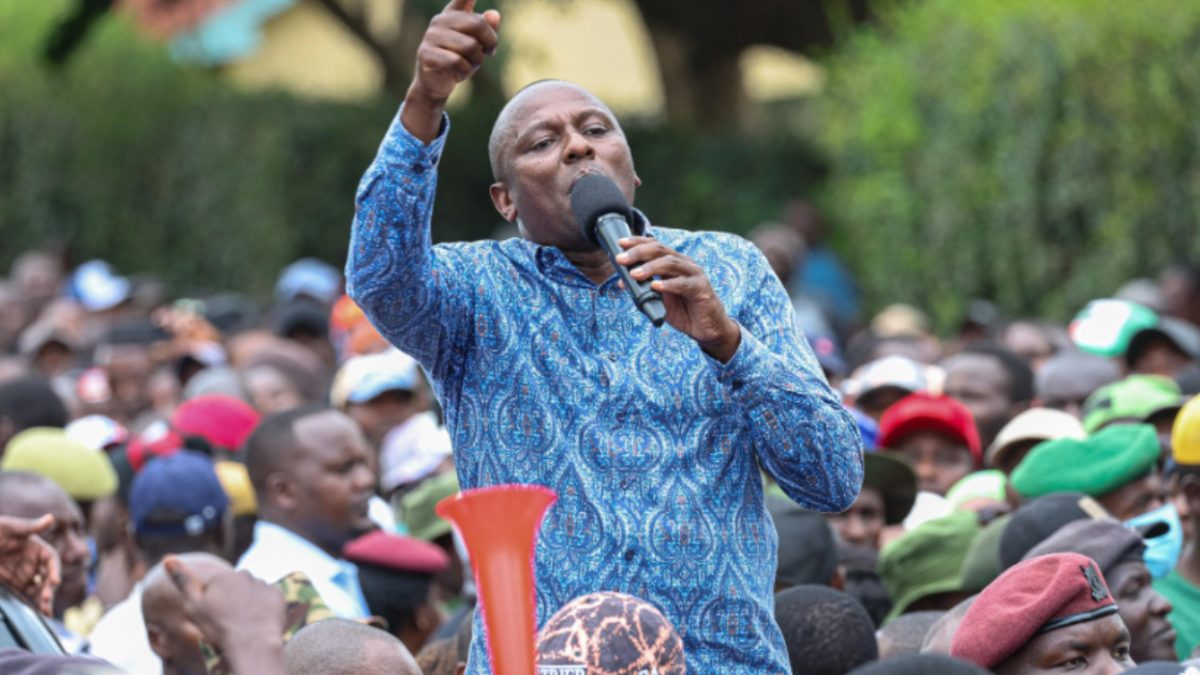
According to him, the process was aimed at ensuring that the government could still implement necessary financial measures without imposing policies that Kenyans had rejected.
“Kuondoa kitu ambayo imesemwa kwa bunge, unafanya amendment, tukaambiwa don’t amend reject. Baada ya kurekebisha, tuka katakata ile bill ikakua bill nne, tukapitisha,” Ichung’wah revealed.
The Majority Leader said that while the Finance Bill sparked nationwide protests, the government later adopted a more careful approach to address concerns without halting essential fiscal programs.
Ichung’wah’s remarks now shed new light on how parts of the rejected Finance Bill made their way into law through separate legislative pieces. His statement could renew public debate on transparency in parliamentary processes and the handling of rejected bills.