Advertisement
How Raila Odinga shaped Kenya’s politics: Fight for multipartyism and national unity
15th October, 2025 10:40 AM
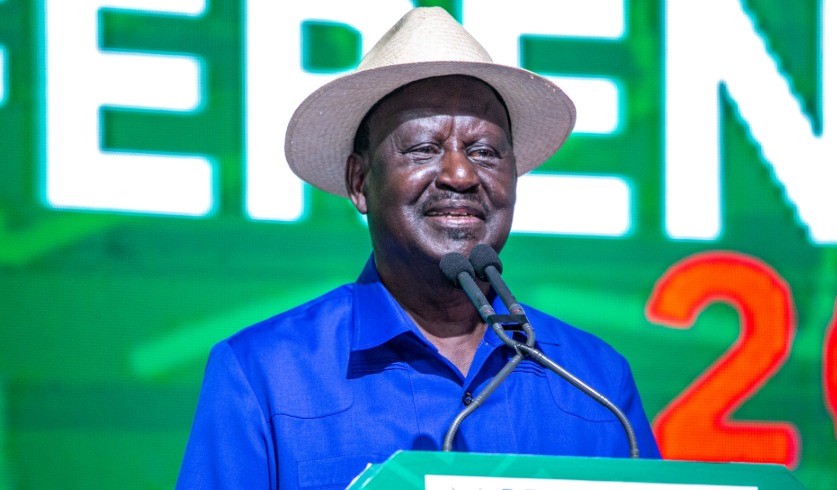
The Orange Democratic Movement (ODM) leader, Raila Odinga, was one of the most influential figures in Kenya’s political history.
His role in shaping the country’s democracy, especially the fight for multiparty democracy and national unity, is widely recognised.
Raila, who has died aged 80, played a key part in transforming the country’s political landscape from a one-party state to a strong multiparty democracy.
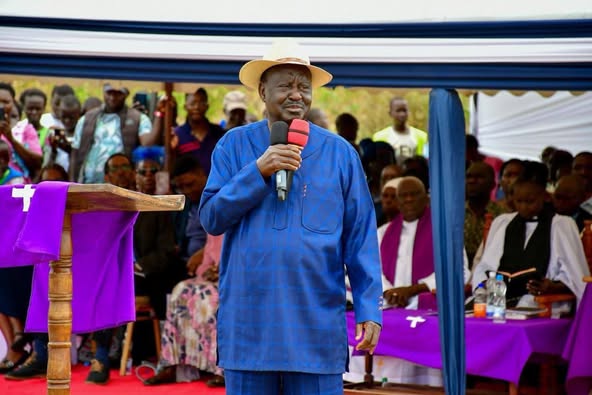
Fight for multiparty democracy
In the 1980s and early 1990s, Kenya was a one-party state under the Kenya African National Union (KANU) Party led by the then-President Daniel arap Moi. Section 2A of the Kenyan constitution, introduced in 1982, legally made Kenya a one-party state, banning other political parties.
This move meant that political competition was heavily limited, and many voices in the country were silenced.
Raila emerged as a leading voice against this restriction. As a young politician and a legislator, he joined forces with others to push for political reforms. His involvement in the movement to repeal Section 2A was crucial. The demand for multiparty democracy grew louder both within Kenya and from the international community.
The repeal of Section 2A in 1991 was a significant turning point. It allowed the formation of multiple political parties and gave Kenyans the right to freely choose their leaders. This marked the beginning of a new political era.
The ODM leader was seen as a strong advocate for this change, and his role helped bring about greater political freedom in Kenya.
Also watch: Raila speaks about the political setup
Raila’s struggles and setbacks
In the early years of multiparty politics, it was not easy, as the polls were often marred by violence and accusations of vote rigging.
The former PM was at the centre of several political battles, and his popularity made him a key opposition leader against the ruling KANU regime.
One of the darkest moments in Kenya’s political history happened after the 2007 presidential election. Raila ran for president but lost to the incumbent, Mwai Kibaki. The election results were disputed, leading to widespread violence across the country. More than 1,000 people died, and many more were displaced. This crisis highlighted the deep ethnic and political divisions in Kenya.
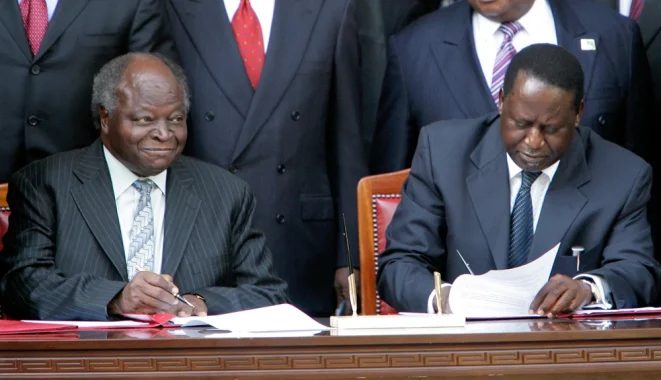
Despite the violence, he played a critical role in pushing for peace. He engaged in talks with President Kibaki and helped broker a power-sharing agreement.
This led to the signing of the National Accord and Reconciliation Act of 2008 (NARA), which necessitated the formation of a coalition government with him becoming the PM, sharing power with the late President Mwai Kibaki.
Fight for 2010 Constitution
One of his key contributions to Kenya’s political development was his support for the 2010 constitution.
The process to create a new constitution began in the aftermath of the 2007–2008 post-election violence crisis. There was a strong demand for reforms to address problems such as corruption, ethnic tensions, and lack of accountability.
Also watch: Raila demands review of the constitution
Raila was a strong supporter of the new constitution, which was drafted to promote national unity and strengthen democratic institutions. The 2010 constitution introduced several changes that reshaped Kenya’s political system. It created a more balanced government with a clearer separation of powers between the president, parliament, and judiciary.
Most importantly, the new constitution included a bill of rights that protects citizens’ freedoms and human rights. It also introduced devolved government, which gave more power to local counties. This was meant to reduce the concentration of power in Nairobi and promote development across the country.
The constitution was approved through a national referendum in August 2010, with over 60 per cent voting in favour.
Raila’s active role in supporting the constitution helped build trust in the process and encouraged Kenyans to embrace these reforms.
National unity and beyond
In his whole political career, the ODM leader consistently pushed for national unity.
He called for peace and understanding among the nation’s diverse ethnic groups. His leadership during crises, especially after the 2007 elections, showed his commitment to preventing division and violence.
Raila’s efforts have not always been easy or popular. He has faced criticism and political opposition but remains a key figure in Kenya’s democracy. His ability to bring people together and his fight for political freedom have left a lasting legacy.