Why the World Cup half-time show may be a taste of things to come
By BBC, July 19, 2026Half-time at a football game is normally a chance to grab a drink or snack, make a mad dash for the toilets or vent with friends about some questionable refereeing or defending.
But at this year’s World Cup final between Spain and Argentina, for the first time in the tournament’s history, there will be a half-time show – complete with performances from Madonna, Shakira, BTS and Justin Bieber.
It’s already caused controversy in the sporting world as the performance means the break will last up to 25 minutes – when the International Football Association Board (IFAB) states players are entitled to a maximum 15-minute stoppage.
The show will take place on Sunday night at the MetLife Stadium in New Jersey and has been described by governing body Fifa as a “landmark celebration at the intersection of sport, music and global impact”.
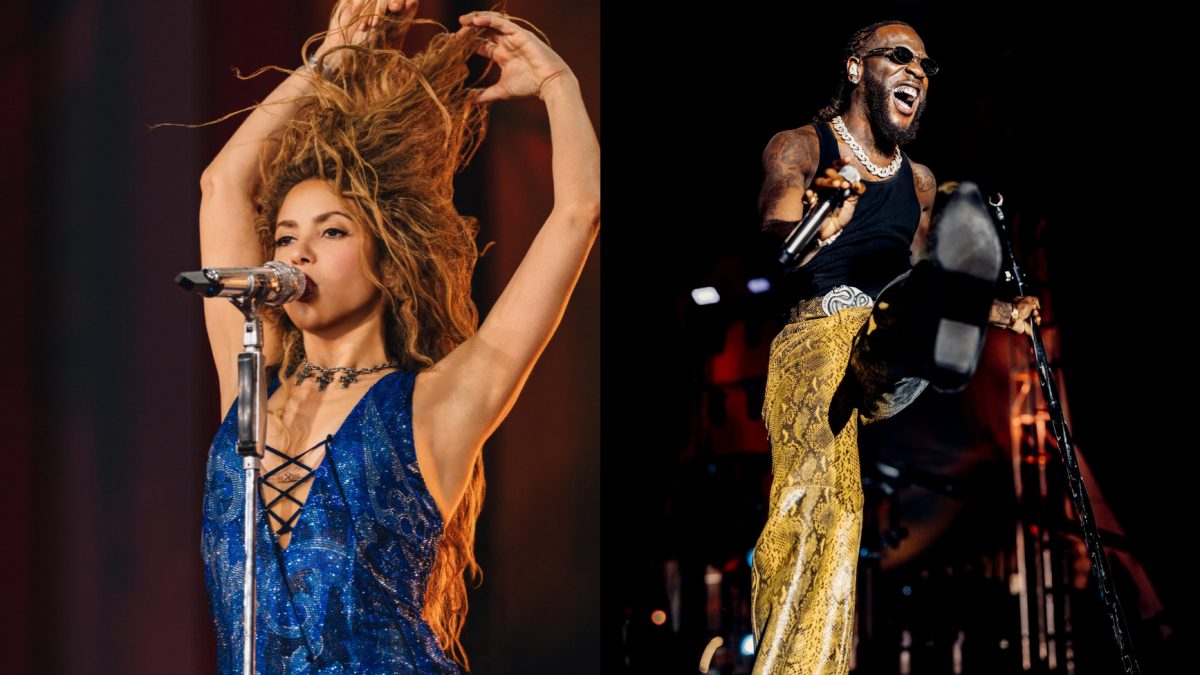
Does a performance like this, during the most-watched sporting event in the world, herald something similar coming soon to a stadium near you? And do fans want that?
It is expected that both the BBC and ITV will screen the full show, with punditry filling the gap while the stadium staging is put up and taken down.
At last year’s Club World Cup final, which was also organised by Fifa and held in New Jersey, there was a 24-minute half-time featuring live music from Coldplay, J Balvin, Doja Cat and Tems.
Sports broadcaster Betty Glover, who has been covering the World Cup across the US for the last month, worked at last year’s Club World Cup final in the same stadium.
Battle to get more Americans involved
“There’s a battle to get more Americans involved and fall in love with this game – it’s obviously not their main sport, but when you’re walking around speaking to people, more are getting on board with it,” she tells the BBC.
James Massing, whose team at Live Nation is responsible for putting on the World Cup final half-time show, says “expectation from fans has heightened” when it comes to big sporting events, meaning music could feature more in future.
He tells the BBC the sports industry needs to innovate because it is “competing with any other live experience – going to the museum, going to the theatre, going to the cinema”.
Massing, who has also worked on the Super Bowl and the Club World Cup final show, feels adding a musical performance makes “a final feel like a final”.
While watching The Killers perform ahead of the UEFA Champions League final between Arsenal and Paris Saint-Germain in May this year, “you felt the energy in the stadium peak,” he adds.
But in the UK and Europe the uptake has been slower – the first musical performance at the Champions League was 10 years ago, while the British Grand Prix started adding music to its F1 offering at Silverstone three years ago.
American sports appear to be setting a precedent – international NFL games, taking place in mostly European cities, added specific half-time shows to all games in 2025.
“What is starting to happen is a lot of sports are becoming more global,” Massing says.
When that happens, there is naturally a shift to try and make that event “an occasion and a moment rather than a game,” he adds.
Platten fears that following Fifa’s move, half-time shows could become a part of domestic football – something he says would be unnecessary.
Glover is not so sure about whether the concept will catch on and says she “can’t imagine this happening in Spain, Portugal and Morocco for the next World Cup”.
For her, “If entertainment attracts new fans without compromising the football itself, then it is a positive thing.”