Teacher Wanjiku wonders how employees will survive the World Cup match times
By Paulette Mboga, June 12, 2026Teacher Wanjiku has raised concerns over World Cup match timings, questioning how employees will manage work during the tournament.
She expressed worry about productivity as fans try to follow games. Wanjiku joked about the challenge of balancing work duties with the excitement of World Cup fixtures happening during working hours.
The 2026 FIFA World Cup, co-hosted by the United States, Canada, and Mexico, has turned into an early-morning affair for football fans across Kenya and much of East Africa.
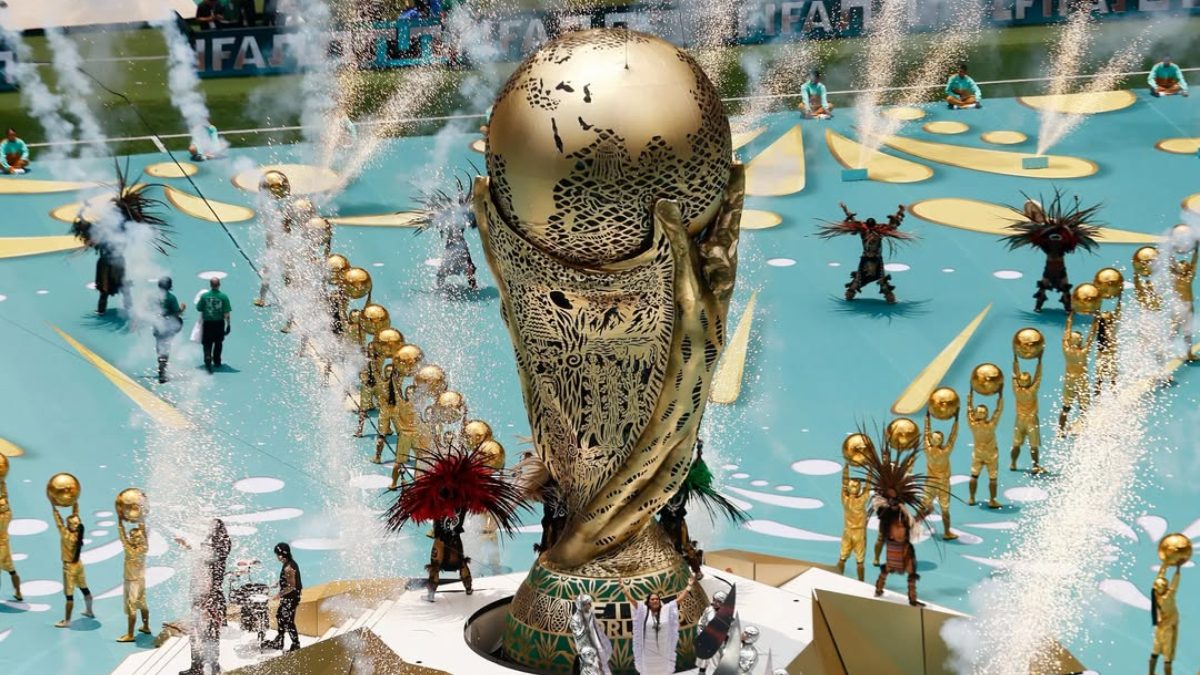
Matches kicking off at 4 am, or 5 am East Africa Time (EAT) have become the norm, forcing fans to set alarms, brew strong coffee, and gather in living rooms or local viewing centres in the dead of night. The root cause is a massive Time Zone Gap. Kenya operates on East Africa Time (EAT, UTC+3), which is significantly ahead of the host nations. The three countries span four major North American time zones:
- Eastern Time (EDT, UTC-4): 7 hours behind Kenya
- Central Time: Roughly 8 hours behind
- Mountain Time: 9 hours behind
- Pacific Time: Up to 10 hours behind
Afternoon games in the western venues
A match scheduled for 9 pm local time on the US East Coast lands at 4 am EAT the following morning. Afternoon games in the western venues push kick-offs even earlier for Kenyan viewers. FIFA designs the schedule primarily around stadium availability, player recovery, local North American television audiences, and prime-time broadcast slots in the Americas, not African or European convenience.
Thankfully, not every match is brutal. Some evening slots in North America translate into comfortable Kenyan evening viewing, and the tournament final on July 19 is conveniently set for 10 pm EAT. This pattern is typical for World Cups hosted far from Africa or Europe.
By contrast, the 2022 tournament in Qatar (UTC+3) aligned almost perfectly with East African time, delivering most games in the evening. The shift to North America has flipped the script, leaving fans on both sides of the Atlantic, with Europeans also grumbling about the kick-offs.