Advertisement
Scotland head coach Steve Clarke steps down after World Cup exit
28th June, 2026 07:08 AM
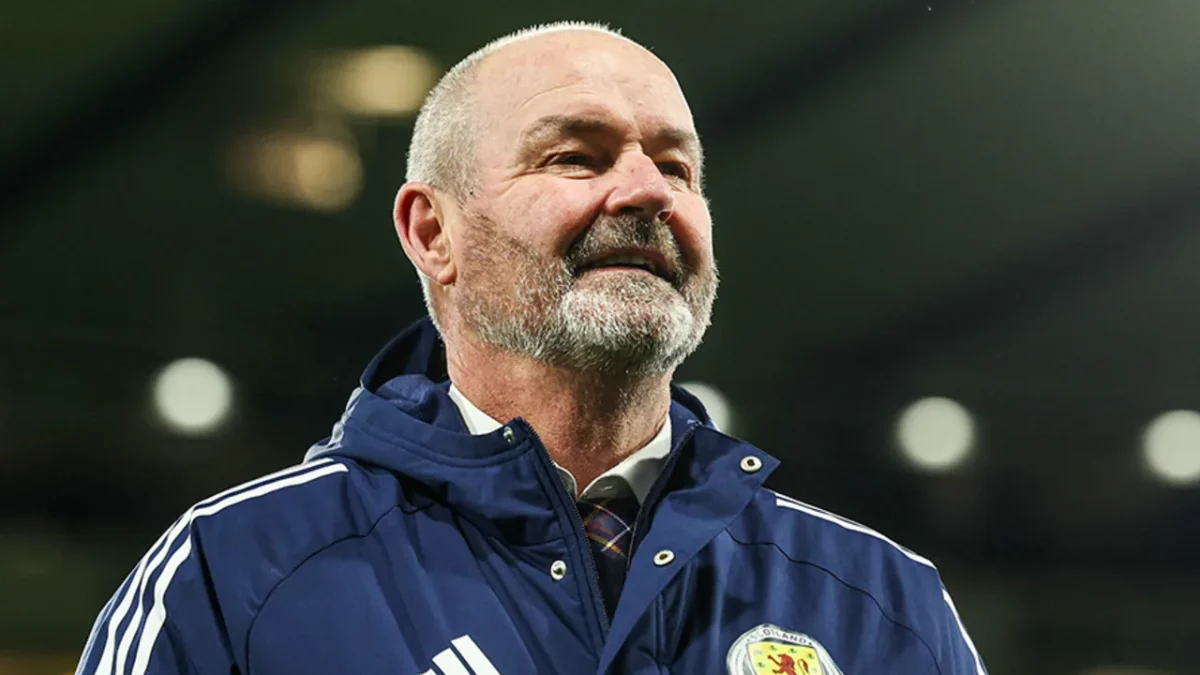
Steve Clarke has resigned as Scotland’s national team manager following the country’s elimination from the 2026 FIFA World Cup, bringing an end to his seven-year spell in charge.
The announcement came shortly after Scotland’s group-stage exit was officially confirmed. Clarke, who took over the team in 2019, had only recently committed his future by signing a new four-year contract before the tournament. However, the disappointing campaign prompted the 62-year-old to reconsider his position.
Despite the abrupt ending, Clarke leaves behind a significant legacy. He guided Scotland back to major international competitions after more than two decades away, leading the team to the UEFA European Championships in 2021 and 2024. He also oversaw the nation’s first World Cup appearance since 1998.
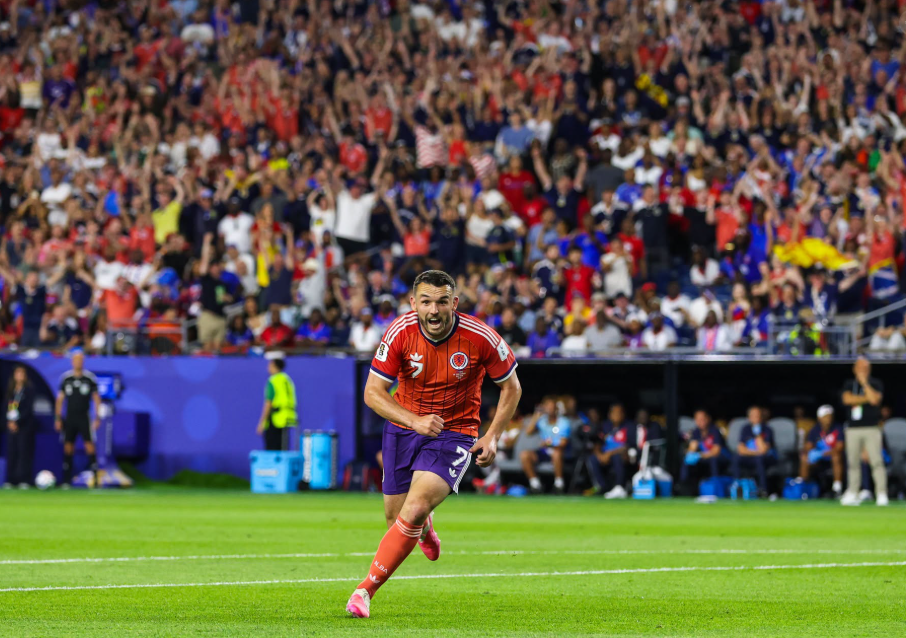
Scotland travelled to the tournament hoping to make history by advancing beyond the group stage for the first time. Instead, they finished third in Group C with three points after defeating Haiti but suffering defeats to Morocco and Brazil, the latter ending in a heavy 3-0 loss.
Throughout the competition, Clarke faced criticism over Scotland’s conservative tactics, while his brief media interactions during the World Cup also attracted negative attention.
Clarke quits
In a farewell message to supporters, Clarke focused on expressing gratitude rather than explaining the reasons behind Scotland’s disappointing campaign.
“The most emotional part of this goodbye is for my players, without whom we wouldn’t have had any of the memories that we’ve accumulated from 2019 until now,” Clarke said. “They deserve all the praise and adulation that they receive and it was truly an honour to be called their gaffer. Thanks for having me and good luck to my successor.”
Scottish Football Association chief executive Ian Maxwell paid tribute to Clarke’s contribution, thanking him for restoring pride to the national team by helping Scotland qualify regularly for major tournaments. However, the governing body is also expected to face questions over its decision to hand Clarke a contract extension just weeks before the World Cup.
Reflecting on his tenure, Clarke recalled that many people had advised him against accepting the Scotland job because of its difficult reputation. Looking back on his time in charge, he said his strongest feelings were pride and satisfaction with what had been achieved.
Scotland’s elimination became official after Croatia defeated Ghana, although the outcome had appeared almost certain following Scotland’s own results. Ghana required a victory by three goals to keep Scotland’s slim qualification hopes alive, but failed to do so.
Attention will now turn to finding Clarke’s replacement. The search is expected to be challenging, with several leading Scottish candidates either unavailable or recently taking up club positions. That situation could encourage the Scottish FA to consider coaches from outside the country.
Whoever succeeds Clarke is likely to have the opportunity to lead Scotland into UEFA Euro 2028, with the tournament set to be hosted by Scotland, England, Wales and the Republic of Ireland. If any of the host nations fail to qualify through the normal route, reserved places could still secure their participation.