Advertisement
Iran’s tribute pins raise questions ahead of 2026 FIFA World Cup
09th June, 2026 09:33 PM
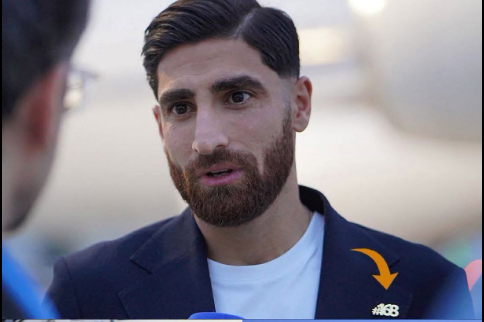
Iran’s national football team arrived in Tijuana, Mexico, on Sunday, June 7, 2026, wearing lapel pins marked with the hashtag #168, a gesture intended to honour children who lost their lives during a school attack linked to the early stages of the U.S.-Iran conflict earlier in February 2026.
According to Iran’s Ministry of Foreign Affairs, the number 168 represents the children killed when a missile struck an elementary school on February 28, 2026, the first day of hostilities between the two nations.
Reports published by US media channels indicated that preliminary findings suggested the United States was responsible for the missile strike. However, neither U.S. President Donald Trump nor the American government has officially confirmed those findings.
Interestingly, members of the Iranian delegation were not displaying the badges when they left their World Cup training base in Antalya, Turkey, on Saturday, June 6, 2026. The pins appeared later during their journey, which included a refuelling stop in Spain, and were visible on the dark-blue blazers worn by players and officials upon arrival in Mexico.
This occurred shortly before the Iranian Football Federation claimed that FIFA has cancelled the allocation of World Cup tickets originally reserved for Iran supporters for the team’s three group-stage matches in the United States.
Could the pins violate FIFA regulations?
The appearance of the badges has prompted debate over whether the gesture falls within FIFA’s rules governing political expression during tournaments.
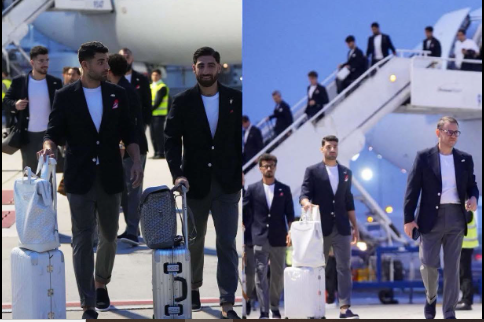
Current FIFA regulations prohibit players, coaches and officials from displaying equipment carrying political, religious or personal messages, images or slogans. Any breach could result in disciplinary action from FIFA or tournament organisers.
While the Iranian players were not on the pitch when wearing the pins, the situation highlights the possibility of further scrutiny if similar symbols or messages are displayed during official World Cup activities. If members of the technical staff, including head coach Amir Ghalenoei, were to wear the badges in official settings, sanctions could potentially follow.
FIFA’s disciplinary guidelines acknowledge that defining political content can be challenging but specifically restrict references to political events, causes or individuals, whether living or deceased.
FIFA has been asked to clarify whether displaying the badges while travelling to a World Cup venue breaches tournament regulations. The Iranian Football Federation has also been approached for comment regarding whether the team intends to continue wearing the pins during the competition.
Previous acts of remembrance
This is not the first occasion on which Iran’s national team has used football matches to commemorate victims of the conflict.
During international friendlies against Nigeria and Costa Rica in March 2026, Iranian players staged symbolic tributes before kick-off. Against Nigeria, the starting lineup held school bags during the national anthem, while before facing Costa Rica they displayed photographs of victims, including children, as well as images of sports and cultural facilities damaged during bombing attacks.
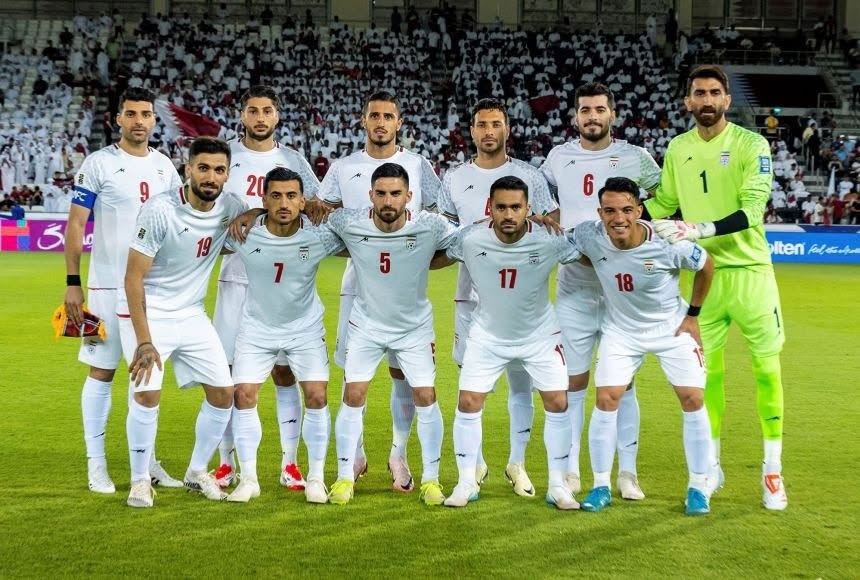
Although these actions were intended as memorials, they also raised questions about compliance with FIFA’s restrictions on political demonstrations.
Following those incidents, FIFA stated that any review of the matter would be conducted according to its disciplinary procedures. No public disciplinary measures were ultimately announced.
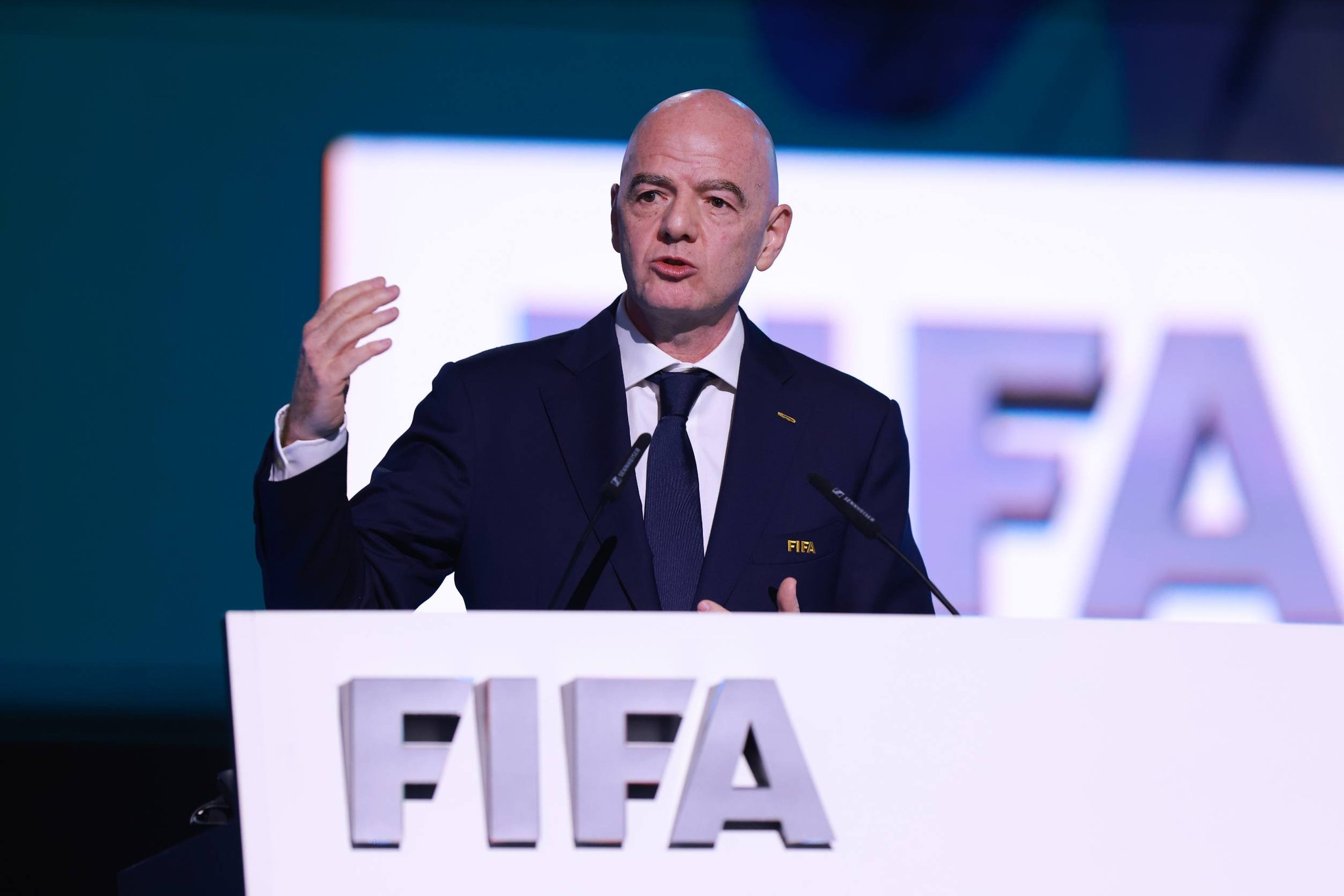
Notably, FIFA president Gianni Infantino was present at the Costa Rica match and witnessed the display firsthand.
Ahead of their departure for Mexico, Iran also paid tribute during June warm-up matches against Gambia and Mali in Turkey, with players standing during the national anthem with their right hands placed across their chests.
As the World Cup gets underway, attention is likely to remain on whether Iran’s commemorative gestures will continue and how FIFA chooses to interpret its regulations in response.