4 controversial refereeing decisions that overshadowed Argentina’s World Cup victory over Cape Verde
By Joel Masibo, July 4, 2026Argentina survived one of the biggest scares of the 2026 FIFA World Cup after edging Cape Verde 3-2 following extra time in Miami.
While Lionel Scaloni’s side booked their place in the Round of 16, much of the post-match discussion shifted away from the football and toward several contentious officiating decisions on Saturday, July 4, 2026, at the Miami Stadium, United States of America.
Supporters, pundits and former referees questioned a number of incidents that many believed influenced the outcome of the thrilling contest. Here are the four moments that generated the most debate.
1. Messi’s quick free-kick sparks outrage
One of the most talked-about moments came late in normal time when Lionel Messi attempted to catch Cape Verde goalkeeper Vozinha off guard with a quickly taken free-kick.
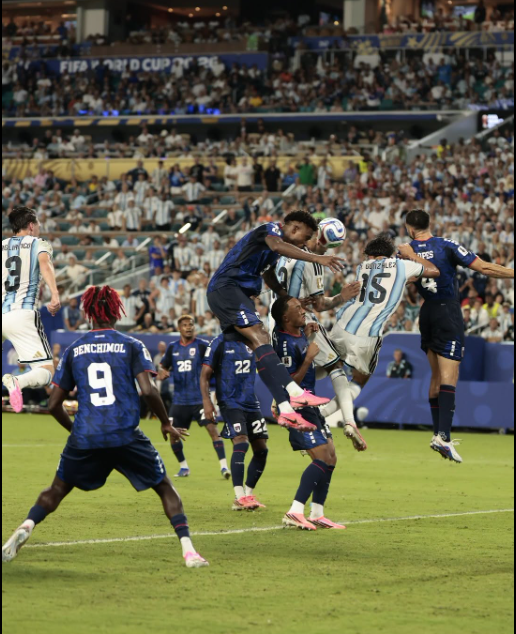
As Vozinha was still positioning his defensive wall, Messi struck the ball immediately after the referee’s whistle. Although the goalkeeper managed to recover and produce an excellent save, the incident divided opinion across social media.
Many fans argued that Messi was attempting to exploit the situation before the goalkeeper was fully prepared, while others maintained the referee had already authorized the restart, making the attempt perfectly legal. The episode quickly became one of the game’s biggest talking points.
2. Questions over Lisandro Martínez’s extra-time goal
Argentina regained the lead early in extra time through Lisandro Martínez after a corner kick, but the goal immediately came under scrutiny.
Cape Verde players protested that an Argentine player had interfered from an offside position during the build-up, potentially affecting the goalkeeper’s ability to react. VAR reviewed the incident before allowing the goal to stand.
Although the officials found no infringement under the Laws of the Game, many viewers believed the attacking movement was enough to warrant a longer review, with debate continuing long after the final whistle.
3. Cape Verde denied what many believed was a dangerous free-kick
Perhaps the biggest grievance from Cape Verde’s perspective arrived late in extra time.
A Cape Verde attacker appeared to be brought down heavily just outside Argentina’s penalty area after challenging for possession. Players immediately appealed for a foul in a dangerous central position that could have produced a promising set-piece opportunity.
Instead, play continued, leaving the Cape Verde bench visibly frustrated. Replays shown during the broadcast prompted widespread discussion, with many supporters describing the challenge as a “textbook foul” that deserved a whistle.
The incident further fuelled criticism that several close decisions throughout the match favoured the defending champions.
4. Handball appeals and inconsistent VAR intervention
VAR was once again at the centre of attention during several handball incidents.
Argentina appealed for a penalty after the ball struck a Cape Verde defender’s arm inside the area, but officials ruled that the ball had first deflected from the defender’s head onto his hand, meaning no offence had occurred under current FIFA handball guidelines.
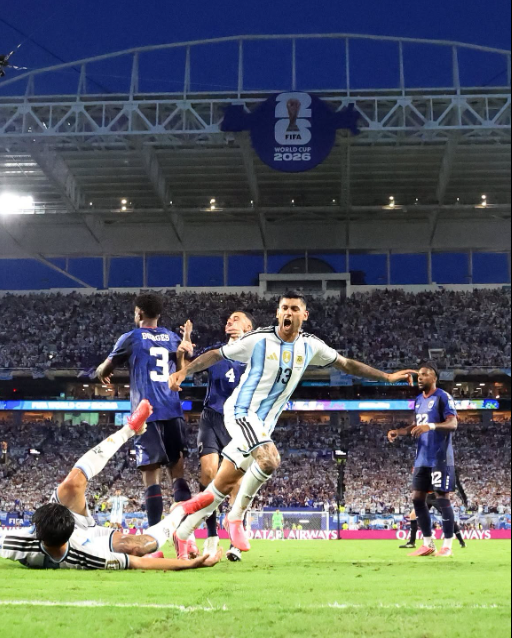
However, critics pointed to other moments, including Cape Verde’s appeals for fouls and possible infringements, that did not appear to receive the same level of video scrutiny.
That perceived inconsistency led to accusations that VAR intervention varied depending on the incident, reigniting wider debates about transparency and uniform decision-making in international football.
However, despite the refereeing debates, Cape Verde earned widespread admiration for pushing the reigning world champions to the limit.
The tournament debutants twice came from behind, produced fearless attacking football and forced Argentina into extra time before eventually falling 3-2.
Goalkeeper Vozinha delivered another outstanding display, while Deroy Duarte and Sidny Lopes Cabral both found the net in what many observers have described as one of the most entertaining matches of the tournament.
Argentina ultimately progressed to the Round of 16 where they will meet African giants Egypt, but the dramatic encounter will be remembered not only for its five goals and remarkable underdog story, but also for the officiating controversies that continue to divide football fans around the world.