Advertisement
Talanta vs Amahoro: Why Rwanda’s stadium has a slight edge over Kenya’s premier facility
22nd August, 2026 10:02 AM
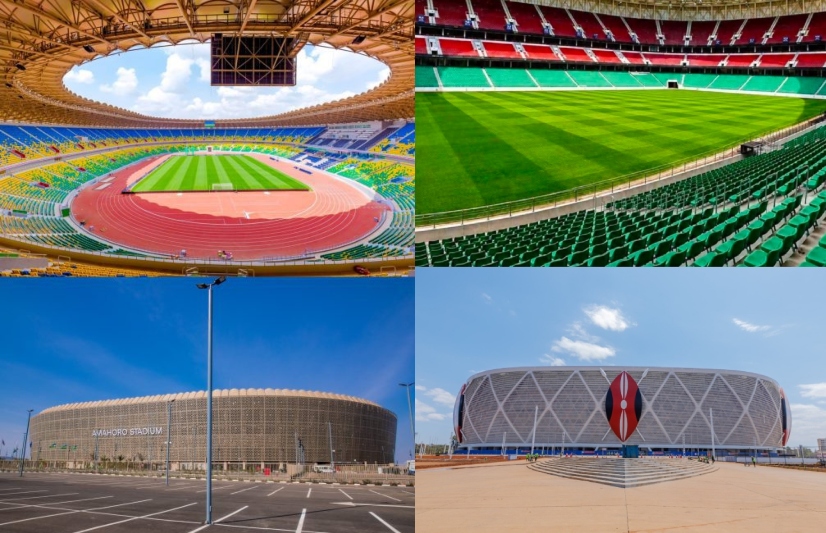
The newly modernized Amahoro Stadium in Kigali, Rwanda, and Kenya’s Talanta Sports City Stadium, alias Raila Odinga International Stadium in Nairobi, are among the most ambitious football infrastructure projects in East Africa.
Both venues have been designed to meet modern international standards, incorporate advanced technology and provide world-class facilities for major sporting events.
However, when the two stadiums are compared purely on the breadth of sporting facilities and overall functionality, Amahoro Stadium has a slight edge over Raila Odinga International Stadium.
The seating configuration at Rwanda’s Amahoro Stadium gives it a slight aesthetic advantage over Kenya’s Talanta Sports City Stadium, particularly when the two venues are compared purely on the quality, appearance and arrangement of their spectator seats.
Visual comparison
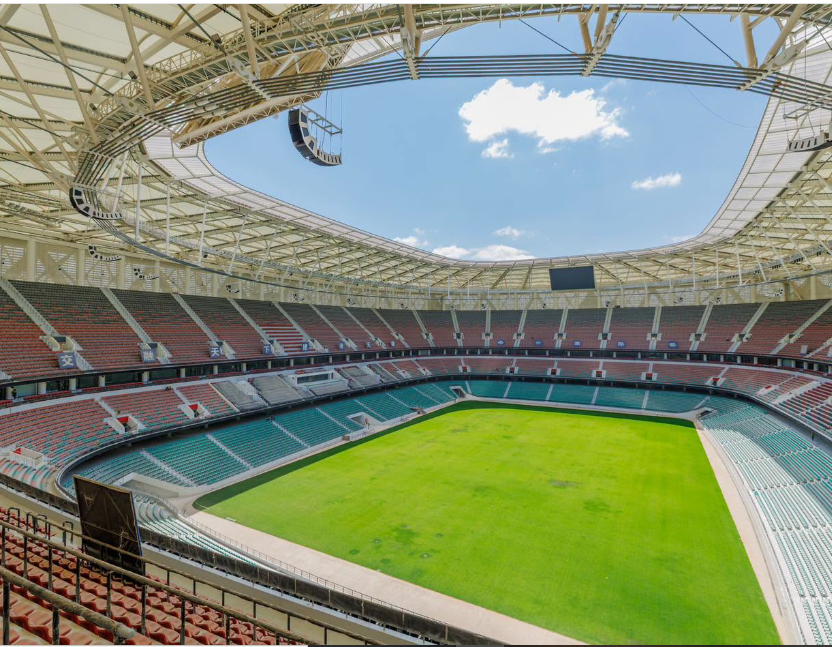
The main visual drawback at Talanta is its use of green fixed, non-foldable plastic seats in the regular terraces.
The seats have been described by some Kenyans as inferior “bakuli” seats, and their presence across the lower sections gives the stadium a less polished appearance when compared with Amahoro’s more uniform seating design.
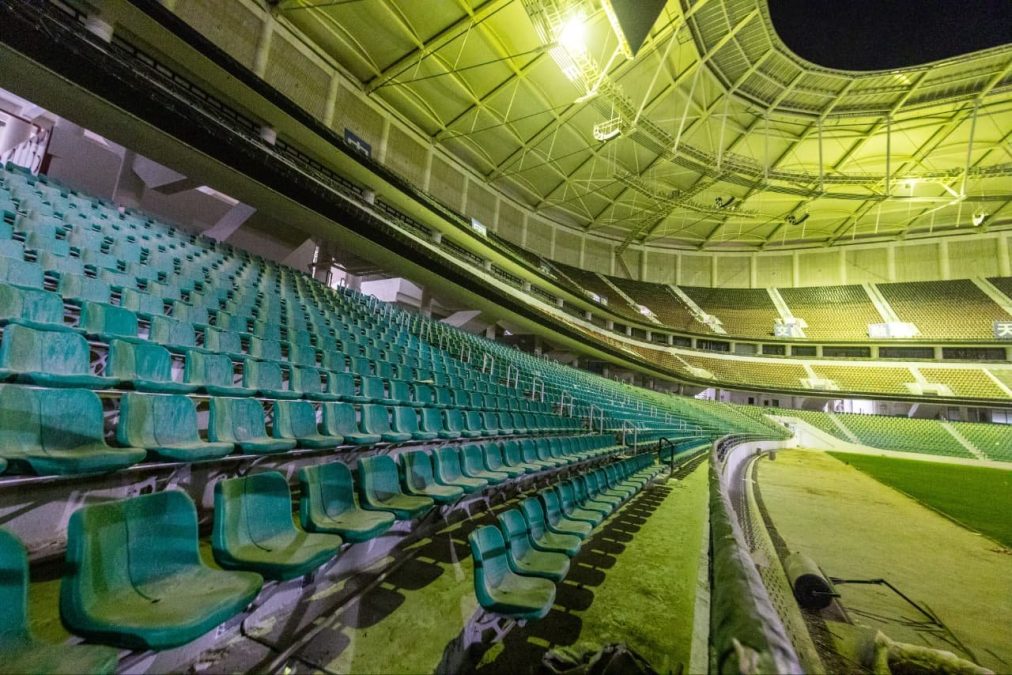
Talanta, however, has deliberately adopted a mixed-tier seating strategy, with each category designed for a specific operational purpose.
The regular lower terraces feature heavy-duty, wider ergonomic fixed seats selected to withstand intensive use, stadium vibrations and vandalism.
The fixed design also reduces the possibility of loose fixtures being removed and used as projectiles during matches or other events.
The stadium’s more premium sections receive a different treatment.
The VIP and media areas are fitted with all-weather foldable seats finished in deep red and green, complementing the Kenyan flag-inspired artwork incorporated into the stadium’s design.
Meanwhile, the VVIP areas and 52 skyboxes are equipped with higher-end padded leather seating alongside climate-controlled hospitality facilities.
Amahoro, by comparison, adopts a more consistent approach throughout its spectator bowl.
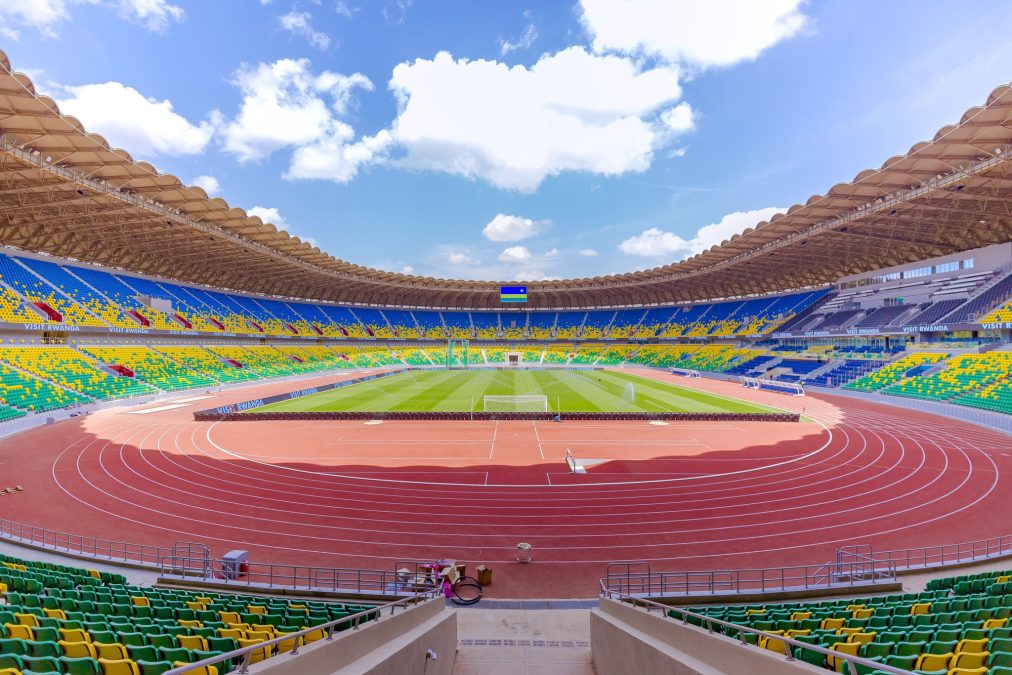
The Kigali venue features sleek, premium foldable seats that create a clean and uncluttered appearance when the stadium is empty. The foldable design also provides greater walking clearance for spectators, including those using regular and VIP sections.
This gives Amahoro an advantage in terms of visual uniformity and perceived sophistication.
Its seating arrangement makes the entire bowl appear more streamlined, whereas Talanta’s combination of fixed and foldable seats creates noticeable differences between the lower and premium tiers.
However, the comparison should not be interpreted as suggesting that Amahoro is superior to Talanta in every aspect. The advantage being discussed here is specifically seating configuration and aesthetics.
In other major areas, Talanta has significant advantages.
Amahoro’s current advantage
Rwanda’s Amahoro Stadium is already a completed and operational facility following a major redevelopment reportedly costing about $160 million (Ksh20.712 billion).
The refurbished venue has been commissioned and is already hosting major sporting events, giving it an important advantage over Talanta in terms of operational readiness and experience.
Its overall architectural presentation is also one of its strongest features.
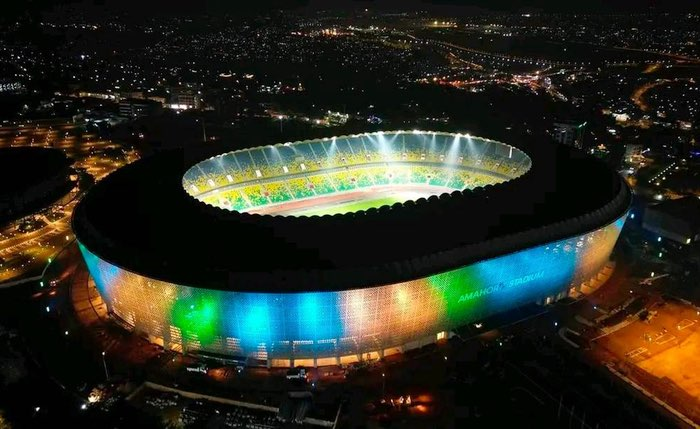
The exterior incorporates patterns inspired by Rwanda’s traditional Imigongo art, giving the stadium a distinctive identity.
The stands are protected by a comprehensive roof structure, providing spectators with extensive protection from weather conditions.
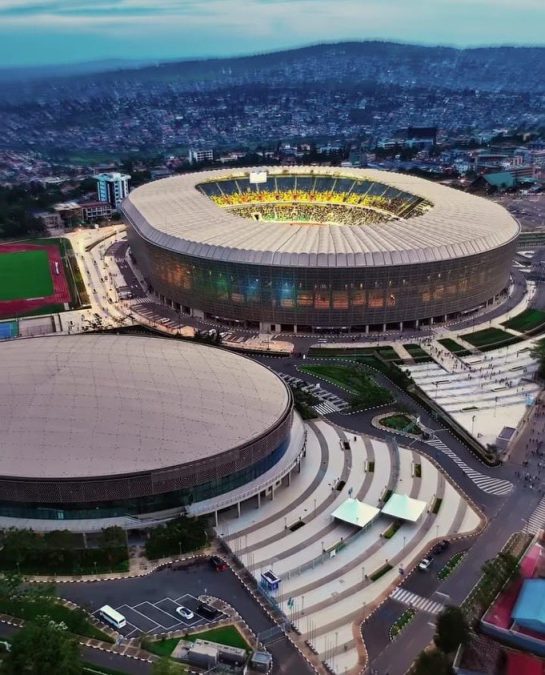
Amahoro is also part of a wider sports complex that combines its 45,508-seat football stadium with a 1,000-seat indoor arena, a Paralympic gymnasium and athletics facilities, making it a broader sporting hub.
Where Talanta has the upper hand
Talanta’s biggest advantage is its enormous capacity. The stadium is designed to accommodate 60,000 spectators, making it considerably larger than Amahoro’s 45,508 seats.
The Kenyan venue is also being developed specifically as a football and rugby stadium without an athletics track.
As a result, the stands are positioned closer to the playing surface, potentially giving supporters a more intimate and immersive match-day experience than a stadium where the pitch is separated from spectators by a running track.
The Ksh 45.85 billion Talanta stadium is also being constructed as a purpose-built modern sports facility, with premium hospitality areas, media facilities and advanced match-technology infrastructure incorporated into the design.
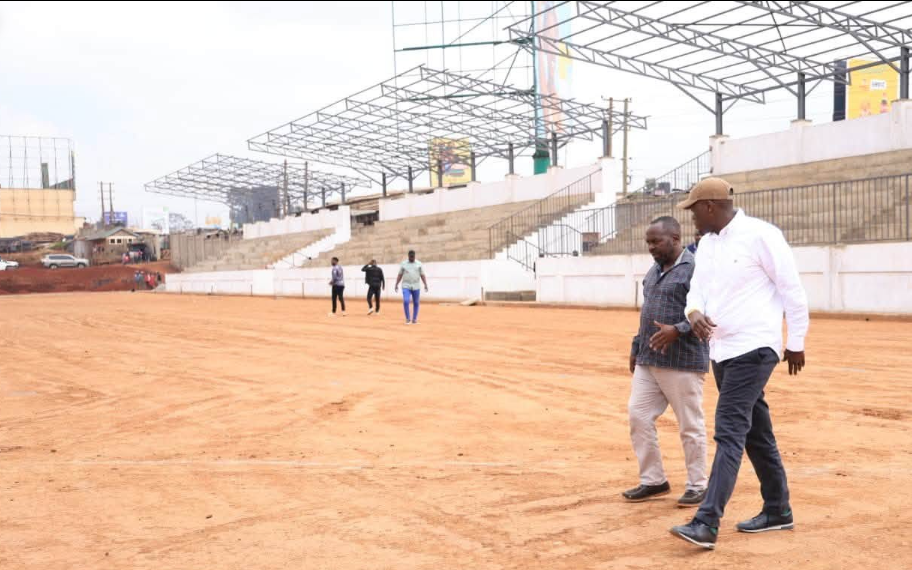
The stadium at Jamhuri Grounds is reportedly around 94 percent complete, with contractors working on the final stages, including interior hospitality suites, VAR facilities and pitch-related works ahead of the 2027 Africa Cup of Nations.
The difference in the two venues therefore comes down to what is being measured.
Amahoro currently has the edge in seating aesthetics and configuration, thanks largely to its premium, uniform foldable seats and clean visual presentation.
Talanta’s fixed green lower-tier seats may appear less sophisticated, but they serve practical purposes related to durability, security and heavy spectator use.
Talanta, meanwhile, holds the advantage in capacity and football-specific design, with 60,000 seats and stands positioned directly around the pitch.
Ultimately, Amahoro can be considered slightly ahead when the comparison is restricted to seating configuration and visual appeal.
But when the broader stadium package is considered, Talanta’s larger capacity, football-oriented layout and extensive modern facilities make it a formidable rival once construction is fully completed.
Amahoro combines modernity with cultural identity
The Kigali stadium also stands out for its architectural identity. Its exterior incorporates traditional Rwandan Imigongo artistic patterns, while its green, yellow and blue seats reflect the country’s national colours.
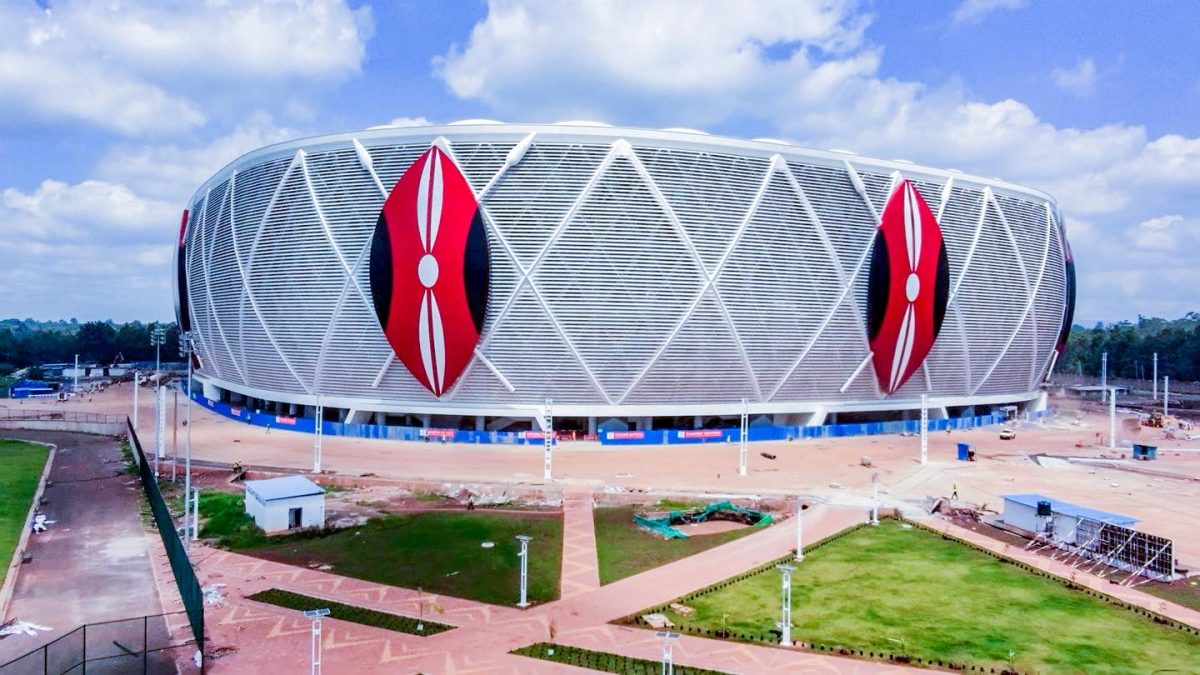
Raila Odinga International Stadium has adopted a similarly distinctive Kenyan identity. Its façade draws inspiration from the country’s national emblem, particularly the shield and spear.
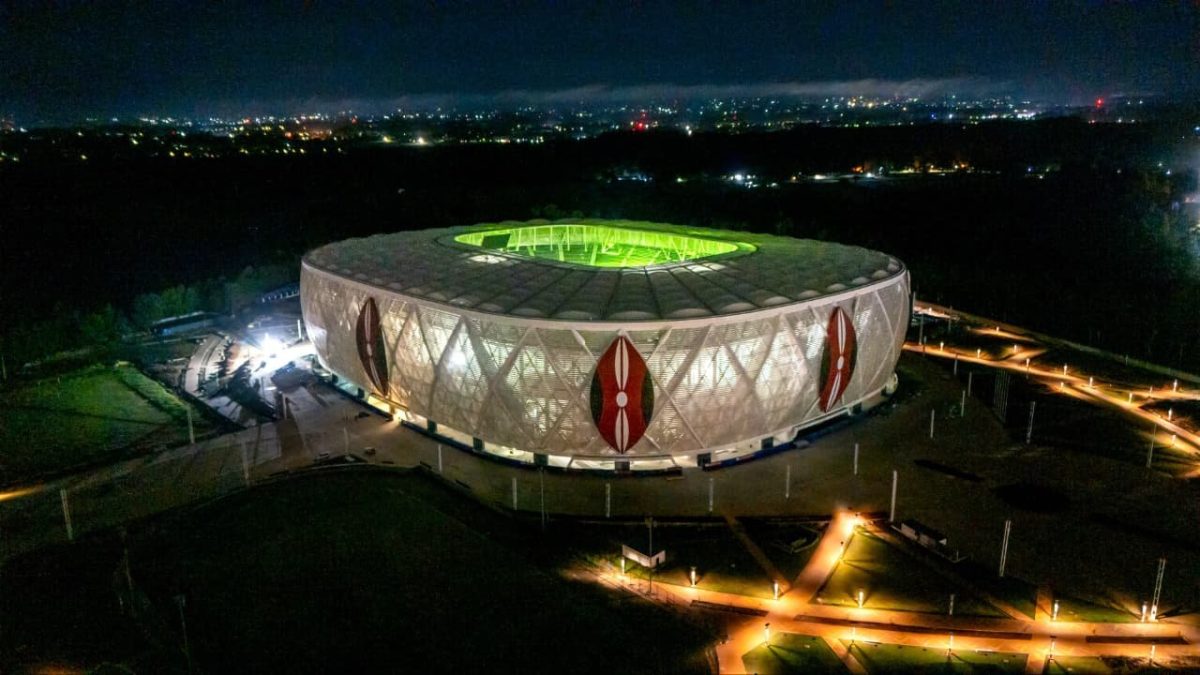
Both approaches give the venues a strong national character, but Amahoro’s integration of traditional artistic motifs into the stadium’s external design gives it a particularly striking visual identity.
Accessibility gives Amahoro another advantage
Amahoro Stadium has also placed considerable emphasis on accessibility. The venue has 10 elevators and more than 450 specially designated seats for people with disabilities.
These features make accessibility an important part of the stadium’s design rather than an afterthought.
The facility is consequently positioned to provide a more inclusive matchday experience for a wider section of the public.
Raila Odinga International Stadium also incorporates modern amenities, but the specific accessibility provisions outlined for Amahoro give the Rwandan venue an advantage in this area.
Raila Odinga Stadium wins on capacity and football-specific design
Despite Amahoro’s advantages, Kenya’s flagship stadium has several areas where it clearly comes out on top.
At 60,000 seats, Raila Odinga International Stadium can accommodate about 14,500 more spectators than Amahoro.
That makes it the larger of the two venues and potentially gives it greater commercial and crowd-generating capacity during major football fixtures.
Its track-free design is another significant strength. By eliminating the athletics track, the stadium brings spectators much closer to the pitch, creating an atmosphere particularly suited to football and rugby.
The Nairobi facility has also been designed to meet CAF Category 4 requirements for the 2027 Africa Cup of Nations, placing it among the continent’s top football venues.
Kenya’s roof technology is a major differentiator
Raila Odinga International Stadium also boasts an exceptionally sophisticated roofing system.
The venue features a computerized hydraulic tension cable roof-lifting system, an advanced structural solution that sets the stadium apart.
The system provides a modern architectural statement while contributing to the protection and functionality of the venue.
The Nairobi stadium further includes 53 luxury skyboxes, expansive VIP areas, up to seven team changing rooms, giant LED screens, LED ring lighting and modern public-address and sound systems.
These features give Raila Odinga International Stadium a particularly strong package for major international football and rugby events.
Both stadiums embrace hybrid pitches and modern technology
There is little separating the two venues when it comes to their playing surfaces.
Amahoro Stadium has a high-durability hybrid turf pitch and a dedicated warm-up area, while Raila Odinga International Stadium uses a hybrid surface combining Monaco Bermuda grass with stitched synthetic fibres.
Both systems are designed to withstand intensive use while maintaining the quality required for elite-level competition and television broadcasting.
The Kenyan stadium also incorporates VAR-enabled officiating facilities, modern media centres and press conference rooms, strengthening its credentials as a venue for major international football.
Sustainability is a shared priority
The two stadiums have also incorporated modern environmental considerations.
Raila Odinga International Stadium features a roof-based rainwater harvesting, treatment and recycling system, with the collected water intended for pitch irrigation.
It also has designated retail and commercial spaces that can help the venue generate revenue beyond sporting events.
Amahoro’s modern redevelopment similarly reflects an emphasis on efficient, contemporary infrastructure.
Meanwhile, the comparison is ultimately a close one because the two stadiums have been designed with somewhat different priorities.