Advertisement
How WAFCON postponement can offer Harambee Starlets a chance to fix flaws
06th March, 2026 08:32 PM
The decision by the Confederation of African Football (CAF) to push forward the Women’s Africa Cup of Nations (WAFCON) 2026 by several months has sparked widespread reactions among football fans across the continent.
The continental showpiece, initially scheduled for March 17 to April 3, 2026, in Morocco, has now been rescheduled to July 25–August 16, 2026, due to unforeseen circumstances, as stated by CAF following consultations with FIFA and other stakeholders.
Starlets preparations
While this highlights shoddy planning on the part of the continental governing body, it also offers a stark look at individual team readiness and how women’s football continues to grapple with preparation, time, and resource constraints.
For Harambee Starlets, the postponement comes as a welcome reprieve if the team’s preparations are anything to go by.
Kenya’s preparations for the rerun of the games were far from ideal for an event of such magnitude, especially for a team seeking to showcase Kenyan women’s football at the continental level.
While criticisms of the preparations remained somewhat veiled from outside observers among football commentators, they were eerily loud from within, led by an honest admission from head coach Beldine Odemba.
Securing high-profile friendlies
Moments before the team’s departure for friendlies, Odemba stated that they could not afford to secure high-profile friendlies that would expose the squad to top-notch opposition and test them against levels comparable to the elite women’s teams they expect to encounter in the expanded 15th edition of the championship

In her own words, Odemba explained that they had initially wanted to gauge the girls against WAFCON peers such as South Africa, Malawi, and Zambia.
However, the scheduling of COSAFA games disrupted those plans, leading to friendlies being secured instead against Benin and the hosts, Ivory Coast.
On paper, the plans from the Football Kenya Federation (FKF) looked promising: a trip to Abidjan for the twin friendly ties, followed by a planned camp in Miramas, France, thanks to a recent FKF partnership with the French city’s mayor. However, major disconnects in the timelines left much to be desired, placing Kenya among the sides that arguably benefited most from the postponement.
After a series of engagements with local-based stars in a week-long mini-camp, Odemba only unveiled her final 34-player provisional squad for the concluding phase of preparations for the 2026 Women’s Africa Cup of Nations on February 12, 2026.
The team was then scheduled to report to camp on Sunday, February 15, 2026—barely a month before the original championship start date.
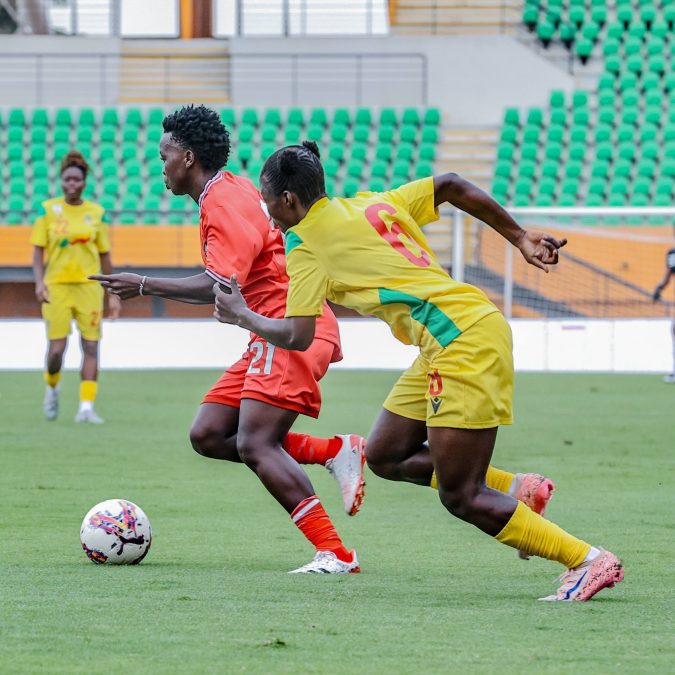
Their first major test against elite opposition came on March 2, 2026, as the girls slumped to a 2-0 defeat against Benin in Abidjan.
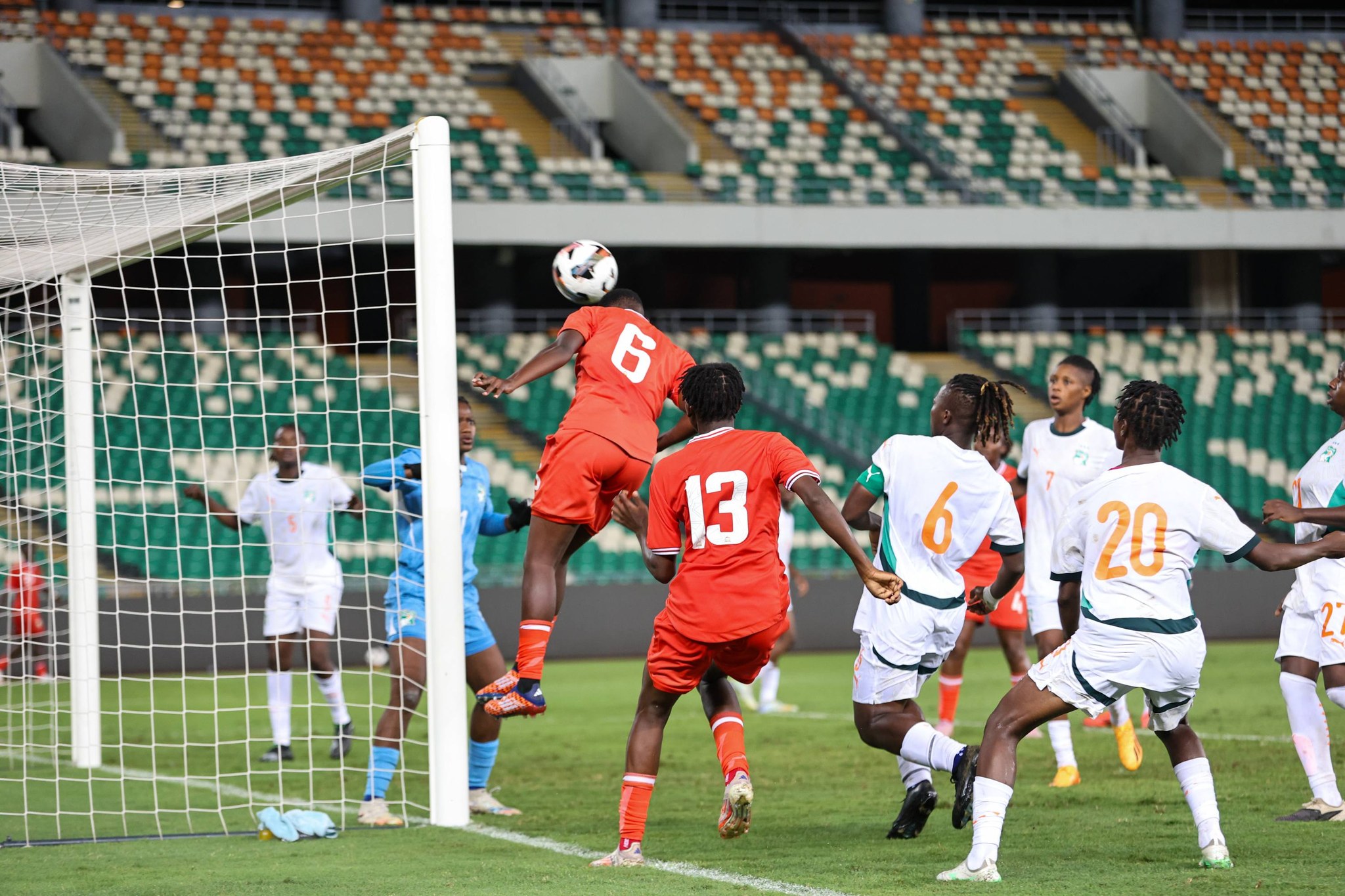
An improved showing followed, but preparations concluded with a narrow 1-0 loss to hosts Ivory Coast on March 4, 2026.
Takeaways
The Starlets, who have since returned home, now have ample time to shift to more meaningful preparations, albeit with the limited resources here.
“We really need to work on the girls mentally and psychologically. Second, we need to work on where we think we have to sharpen. We need to sharpen our attack; we need to start getting goals. We are creating chances, but we are not getting goals,” Odemba relayed her takeaway from the test matches.
The interim time should now be put on a more deliberate and intensive session to put the girls on the desired levels, lest their semifinal targets remain a pipe dream.