Govt pushes for self-sustainability of stadiums ahead of 2027 AFCON showpiece
By Joel Masibo, February 2, 2026Sports Principal Secretary Elijah Mwangi has maintained the government’s plan to ensure that sports facilities built in readiness for hosting the 2027 Africa Cup of Nations (2027 AFCON) will remain self-sustainable even after the showpiece that will be staged in Kenya, Uganda and Tanzania.
Speaking in a local TV interview on Monday, February 2, 2026, Mwangi noted that the ministry is working closely with county governments to make sure that the facilities being constructed will still be of financial value to the people in their respective localities.
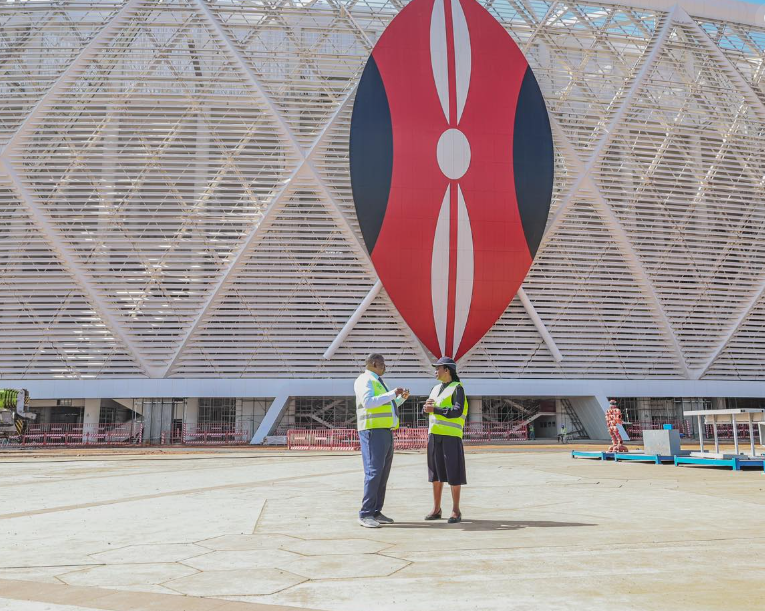
Stadia upgrade
”In Siaya, we are upgrading the stadium that had been constructed by the county government. When we went to Homa Bay, we upgraded the stadium that was there.”
“On Wednesday, we will be in Mombasa to see what to do with the stadium that had been initiated by the county. In the ministry, we have a team that is developing the framework that shall guide the maintenance and self-sustainability of these stadiums that we are working on,” Mwangi said.
”At the county level, we have different priorities for different counties, so we will have stadiums that are well done, and years later, they become abandoned. We are going to work with county governments that ensure that constructed stadiums are self-sustainable,” Mwangi added.
Mwangi’s sentiments come at a time when the national government is racing against time to have all stadium facilities in place according to the standards demanded by FIFA and the Confederation of African Football (CAF) for the 2027 AFCON extravaganza. One of the major projects regarding the tournament is the marvellous Riala Odinga International Stadium in Nairobi.
Similarly, Sports Cabinet Secretary Salim Mvurya has also directed the adoption of a quasi-private management model as Kenya moves to develop a comprehensive framework to guide the management of stadiums across the country.
Speaking on Tuesday, January 27, 2026, via X, Mvurya confirmed that he reviewed the progress of the technical committee tasked with drafting the Stadium Management Framework, which will apply to national, county and community-level facilities.
Following the briefing, the CS said the new model will strategically open up stadium operations to private-sector participation in a bid to improve professionalism, boost revenue generation and guarantee long-term sustainability.
New approach
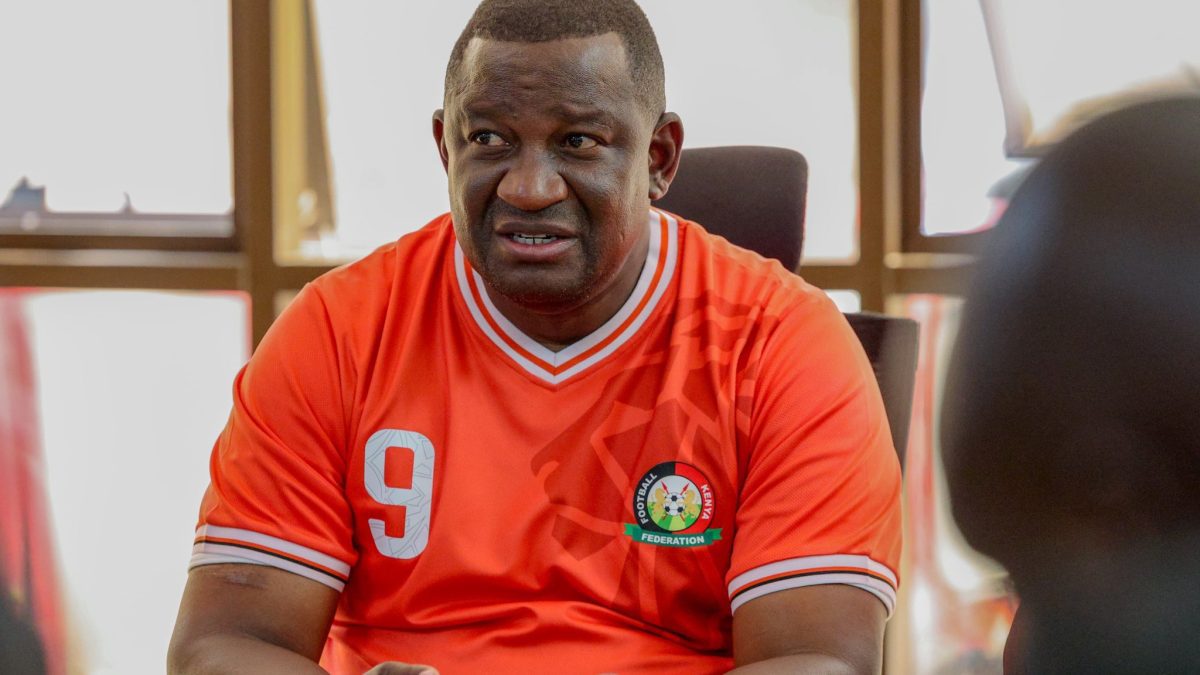
“The approach is designed to enhance professional management, unlock revenue streams and ensure sustainability across all tiers of stadiums, in line with the policy direction of President William Ruto,” Mvurya said.
He noted that many public stadiums continue to struggle with poor maintenance, limited commercial utilisation and operational inefficiencies, challenges the new framework seeks to address by tapping into private-sector expertise and investment.
Once completed, the framework is expected to outline clear guidelines on how private firms can partner with government entities in managing, maintaining, and commercially exploiting sports facilities.
According to Mvurya, the model will provide a structured pathway for innovation and efficiency while ensuring that stadiums meet global standards and remain financially viable.