CAF president Patrice Motsepe speaks after controversial move to award Morocco 2025 AFCON trophy
By Joel Masibo, March 19, 2026The Confederation of African Football President, Patrice Motsepe, has publicly addressed the controversial decision that resulted in Morocco being awarded the 2025 Africa Cup of Nations title after Senegal forfeited the final.
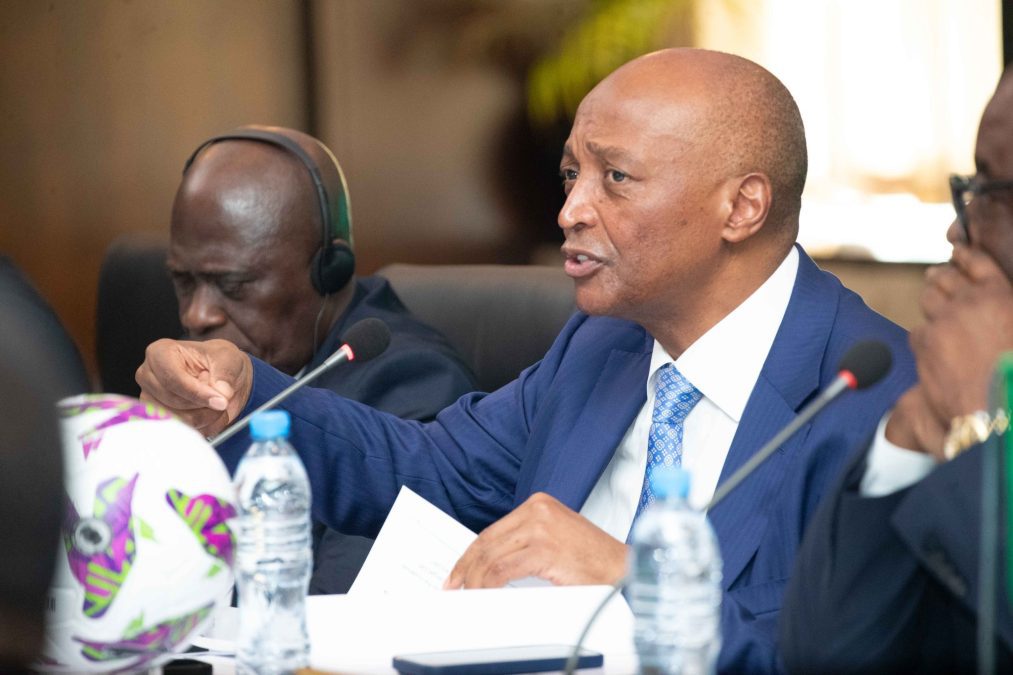
Speaking in a video shared via CAF’s official platforms on Thursday, March 19, 2026, Motsepe defended the independence of the organisation’s legal structures after the appeals body overturned an earlier ruling and awarded Morocco a 3-0 win.
He stressed that CAF’s judicial arms operate autonomously and are not influenced by the confederation’s leadership.
Judicial independence
“The independence of the CAF’s judicial organs is clearly reflected in the different decisions taken by the disciplinary commission and the appeals commission,” Motsepe said.
He pointed out that the contrasting outcomes reached by the disciplinary and appeals committees demonstrate their ability to function independently. According to him, the appeals panel consists of highly regarded legal experts from across the continent, chosen through a process involving all member associations, and led by a judge to ensure impartiality.
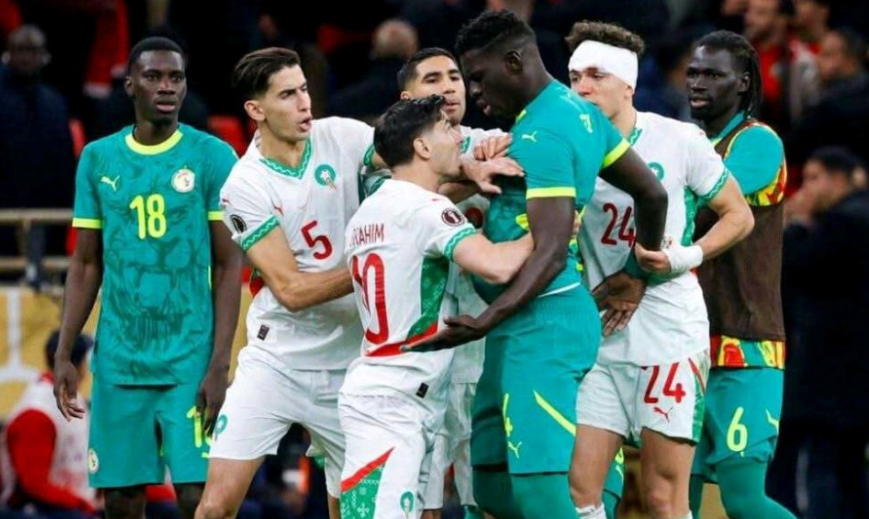
Reflecting on the disrupted final held in Rabat, the CAF president acknowledged that the incidents hurt the organisation’s reputation. He noted that such occurrences undermine years of effort invested in promoting fairness, ethics, and credibility in African football.
“What happened during that match compromises the considerable work accomplished by CAF over many years to guarantee the integrity, respect, ethics, good governance, and credibility of our football results,” he argued.
Motsepe also acknowledged that the situation revealed ongoing concerns about trust within African football, adding, “The events and incidents during the final highlight the work that remains to be done in the face of suspicion and lack of confidence. This is a legacy of the past.”
He confirmed that steps have already been taken to address the shortcomings witnessed during the final, with a focus on improving confidence in officiating decisions and disciplinary processes, including the use of VAR technology.
Equal rights for all member nations
Motsepe further clarified that every member association has the right to challenge decisions through proper legal channels. He referenced Senegal’s plan to escalate the matter to the Court of Arbitration for Sport in Lausanne, assuring that CAF will respect any ruling made at that level.
“Each of the 54 African nations has the right to pursue the necessary appeals to defend its interests,” he said.
Delivering a firm message on fairness, Motsepe emphasised that CAF will not favour any nation over another under any circumstances.
“A fundamental principle is that no African country will be treated in a more privileged, more advantageous, or more favourable manner than another country on the African continent,” Motsepe declared.
The final verdict from the appeals jury nullified the earlier decision and ruled that Senegal had forfeited the match under competition regulations, officially awarding Morocco a 3-0 victory and the AFCON crown.
The Royal Moroccan Football Federation welcomed the outcome, stating that it reinforced respect for established rules and ensured stability in international competitions.
In its response, the federation clarified that its appeal was not meant to question the teams’ performances but to uphold the regulations governing the tournament.
“The approach was never intended to challenge the sporting performance of the teams, but solely to demand respect for the rules,” the federation stated.
It further noted that CAF had now acknowledged that “the rule, known to all and applicable to all, had not been respected.” Looking ahead, Morocco plans to shift focus to upcoming competitions, including the FIFA World Cup and the Women’s Africa Cup of Nations.
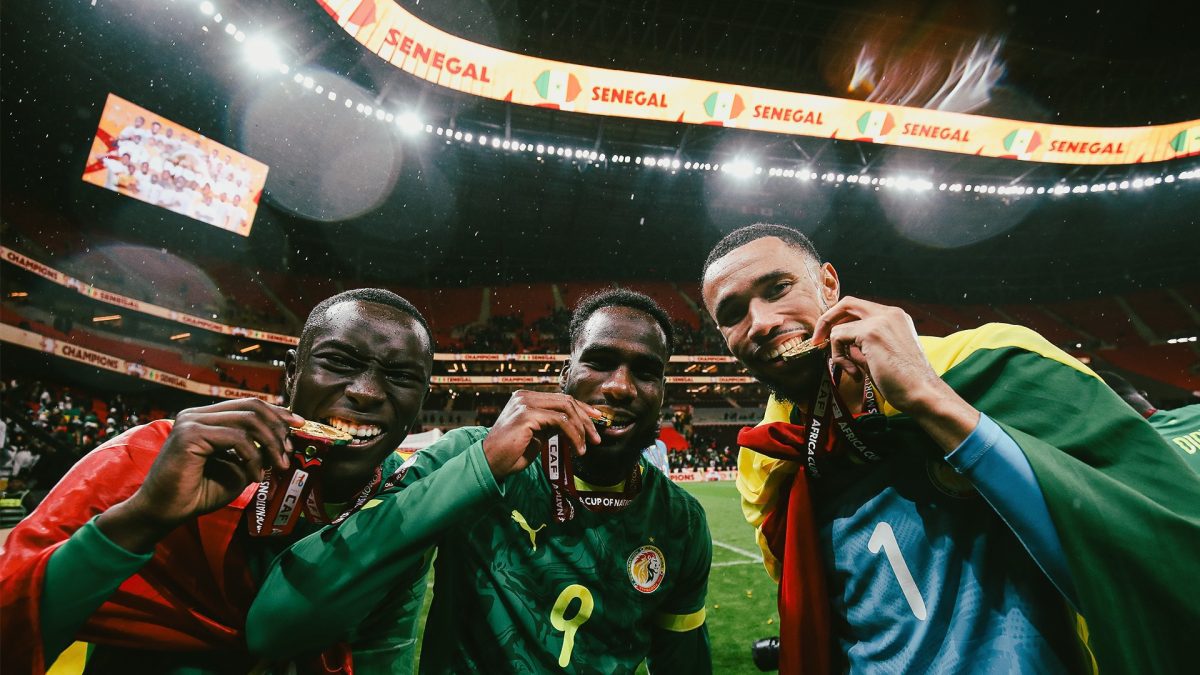
For now, Morocco remains officially recognised as the 2025 African champions, although the ultimate conclusion of the matter may still be determined in Lausanne.