Why the rare total solar eclipse will not be visible in Kenya
By Katemarthason Okudo, August 12, 2026Millions of people across parts of the world will turn their eyes to the sky on Wednesday, August 12, 2026, as the Moon moves directly between the Earth and the Sun to create a total solar eclipse.
However, skywatchers in Kenya will not be able to see the eclipse. The country is outside the area where the Moon’s shadow will fall, meaning the event will not be visible from Kenya.
The eclipse is expected to attract attention because total solar eclipses are relatively rare at any particular location. For those within the narrow path of totality, the Moon will completely cover the Sun for a short period, causing the sky to become noticeably darker during the daytime.
What is a total solar eclipse?
A solar eclipse happens when the Moon passes between the Sun and Earth and blocks some or all of the Sun’s light from reaching certain parts of Earth.
A total solar eclipse occurs when the Moon completely covers the visible disc of the Sun. During the brief period known as totality, observers within the correct location can see the Sun’s outer atmosphere, known as the corona.
According to NASA, the August 12, 2026 eclipse will begin in the far northern parts of the world before its path moves across the Arctic and North Atlantic, reaching Iceland and northern Spain.
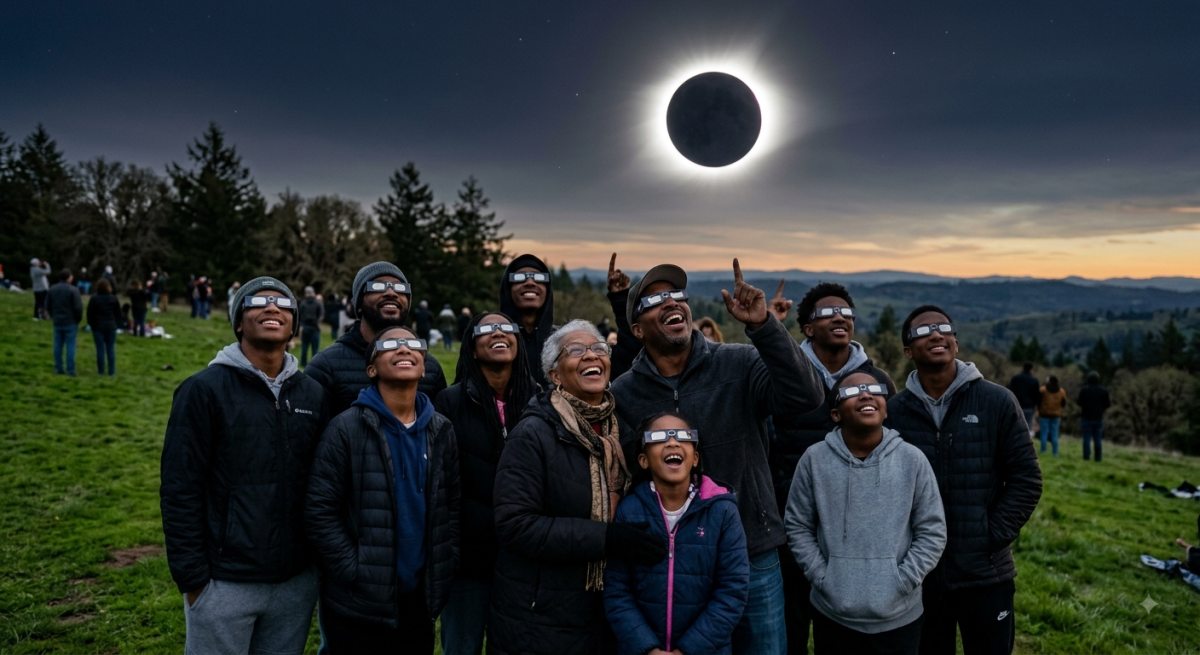
The event is different from a partial solar eclipse, where the Moon only covers part of the Sun. Areas outside the narrow path of totality can sometimes experience a partial eclipse if they fall within the wider penumbral shadow.
Why Kenya will not see it
The main reason Kenya will miss the eclipse is its geographical position.
The Moon’s darkest shadow will travel across a specific section of the Northern Hemisphere. The path of totality will cross areas including Greenland, Iceland, northern Spain and a small part of Portugal.
According to the European Space Agency, parts of Europe, northern North America and western Africa will experience a partial solar eclipse. Kenya, which lies much farther east in Africa, is outside the eclipse’s visible zone.
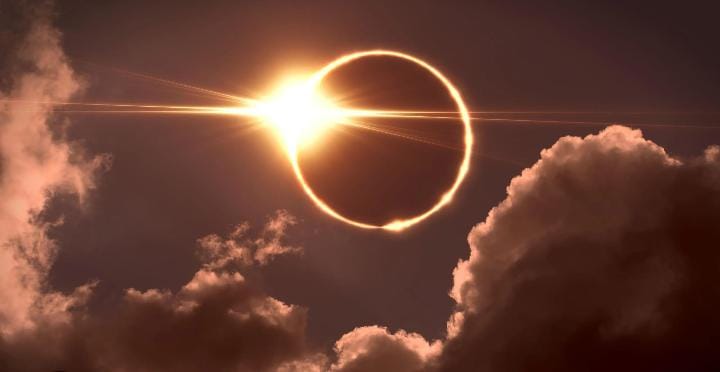
This means that even though the eclipse is taking place above Earth, its shadow will not reach Kenya. The Sun will therefore continue to appear normal from Kenyan locations during the event.
Where will people see the eclipse?
The total phase will be visible along a relatively narrow route stretching from the Arctic region through Greenland and Iceland before reaching northern Spain and northeastern Portugal.
People outside this narrow route may still see the Moon covering part of the Sun, depending on their location. This is why some countries can experience a partial eclipse while others, including Kenya, see no eclipse at all.
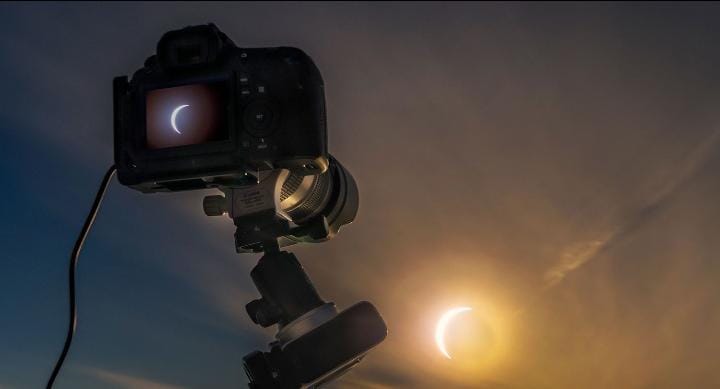
The difference comes down to the position of the Moon’s shadow. An eclipse is not automatically visible everywhere on Earth simply because the Sun, Moon and Earth are aligned.
When can Kenyans see another eclipse?
Missing Wednesday’s event does not mean Kenya will never experience another solar eclipse. Solar eclipses occur regularly, but their visibility depends on where the shadow crosses Earth’s surface.
For Kenyans interested in astronomy, future eclipse events may provide opportunities to observe the Moon passing between Earth and the Sun. However, viewers should always use proper solar viewing equipment when observing a solar eclipse.
Looking directly at the Sun without suitable eye protection can cause serious and permanent damage to the eyes.
For now, the August 12, 2026 eclipse remains an event mainly for observers in the path of the Moon’s shadow, while Kenyans will have to follow the spectacle through photographs, livestreams and coverage from countries where the eclipse is visible.