Advertisement
Utumishi Girls fire: 5 key measures govt can implement to stop future infernos
28th May, 2026 03:33 PM
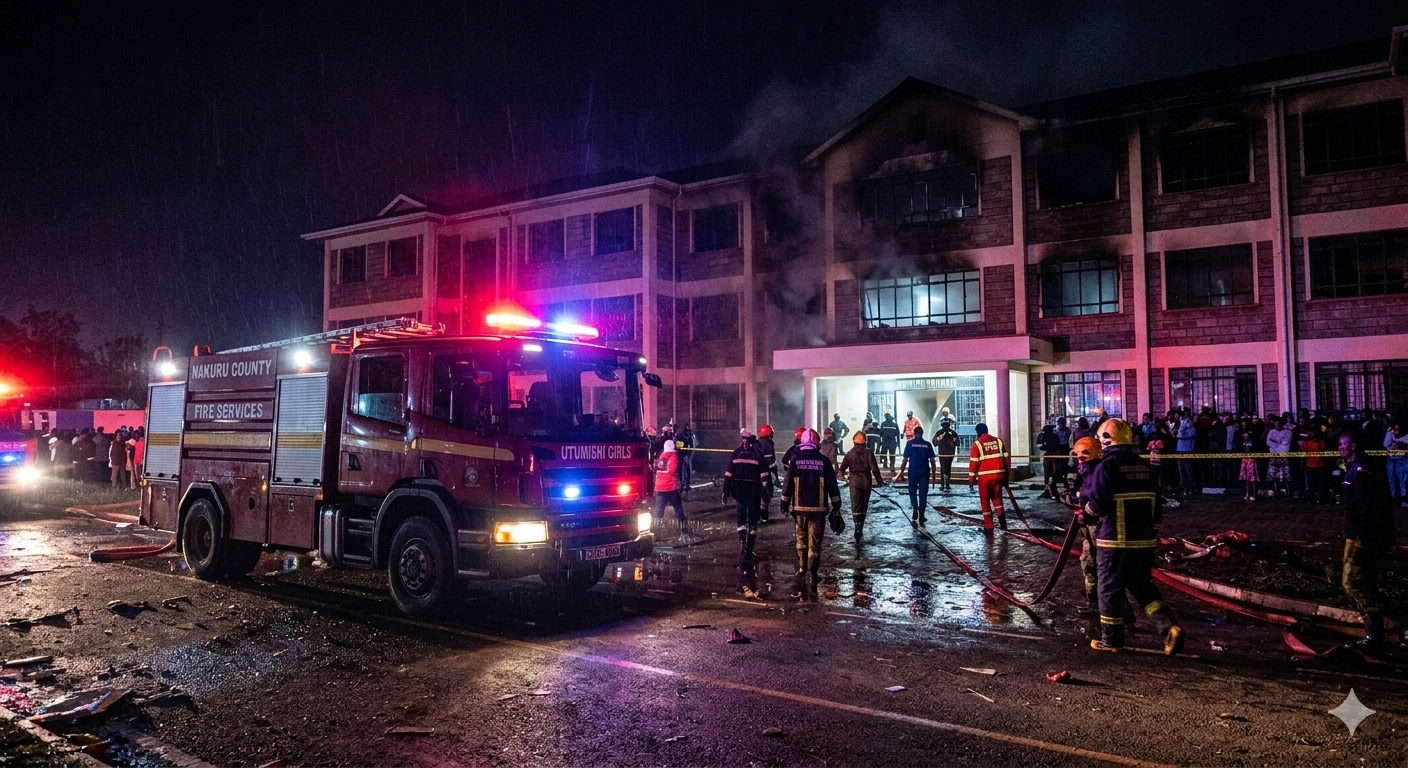
The tragic fire that engulfed Utumishi Girls Academy in Gilgil, Nakuru County, has once again thrown Kenya’s boarding school safety standards into sharp national focus, exposing long-standing gaps in emergency preparedness, infrastructure compliance, and disaster response systems within learning institutions.
As investigations continue into the cause of the blaze, attention has shifted beyond the immediate loss of life and injuries to the broader systemic failures that may have contributed to the scale of the disaster.
Questions are now being raised about whether early warning systems were in place, whether evacuation procedures were properly followed, and whether emergency response units arrived in time to prevent further loss.
Below are five key measures that could significantly improve fire safety and emergency preparedness in schools.
1. Installation of modern fire detection and alarm systems
One of the most critical gaps in many boarding schools is the lack of early fire detection systems. Installing smoke detectors, heat sensors, and automatic alarm systems can help identify a fire at its earliest stage before it spreads uncontrollably.
In many cases like the Utumishi Girls fire, delays in detecting the blaze contributed to the scale of destruction.
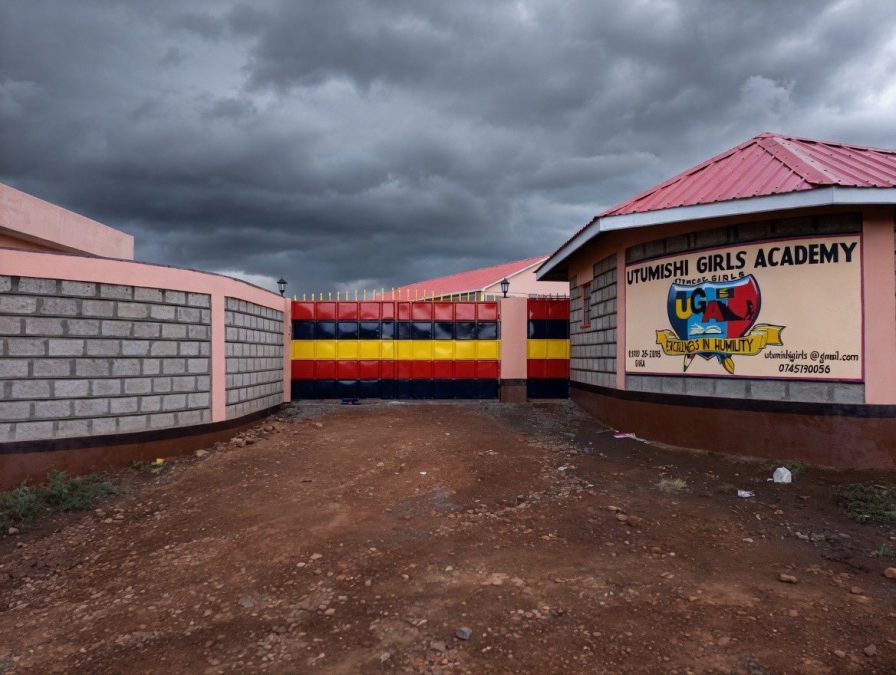
A functioning alarm system would ensure that students and staff are alerted immediately, giving them crucial time to evacuate safely. The government can make it mandatory for all boarding institutions to install and regularly maintain such systems as part of licensing requirements.
2. Strengthening emergency evacuation plans and drills
Many schools lack structured evacuation procedures that students and staff can follow during emergencies. Introducing compulsory and frequent fire drills would ensure that learners know exactly how to respond when a fire breaks out.
Clear evacuation routes, marked exits, and trained emergency marshals can prevent confusion and panic during disasters.
In the Utumishi Girls incident, chaotic responses made evacuation more difficult. Regular training would help build discipline and speed in emergency situations, ultimately saving lives.
3. Upgrading school infrastructure and dormitory safety standards
A major concern in many institutions is overcrowded and poorly designed dormitories that make evacuation difficult. The government can enforce strict construction standards requiring adequate spacing, fire-resistant materials, and multiple emergency exits in all dormitories.
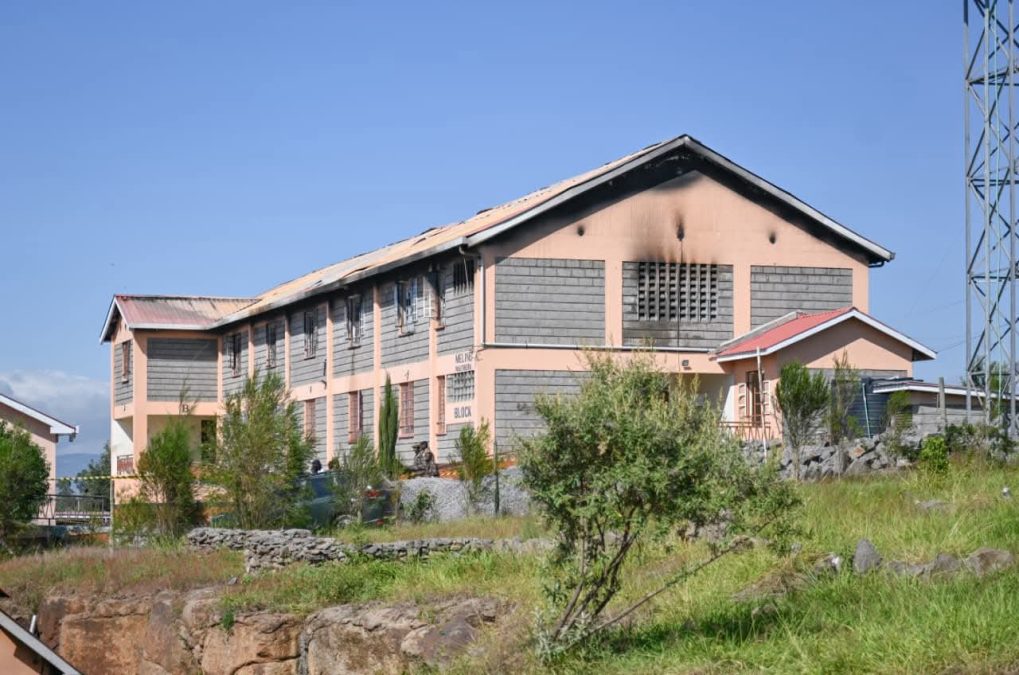
Additionally, ensuring that buildings are inspected regularly for compliance with safety regulations would help eliminate structural risks. Proper ventilation, electrical safety checks, and regulated dormitory capacity are key elements that can reduce fire hazards significantly.
4. Establishing fully equipped rapid response fire units near schools
Response time is often the difference between containment and catastrophe. The government can invest in strategically located fire stations equipped with modern firefighting equipment, especially near densely populated school areas.
In rural and semi-urban regions like Gilgil, delayed response can worsen the scale of destruction. Having dedicated rapid response teams, including county fire brigades and emergency medical units, ensures quicker intervention when disasters strike.
5. Enforcing strict compliance and accountability in school safety audits
Regular safety inspections and strict enforcement of compliance standards are essential in preventing negligence. The government can strengthen oversight through unannounced audits of boarding schools to ensure adherence to fire safety regulations.
Schools found violating safety standards should face penalties, suspension, or closure until compliance is achieved.
Accountability mechanisms ensure that safety is not treated as a formality but as a legal requirement. This would also push school administrators to prioritise student safety at all times.
Author
Steve Ireri
Steve is a senior writer with over four years of experience in digital journalism. His focus is on the showbiz and human interest stories. Emails: [email protected] , [email protected]
View all posts by Steve Ireri