Advertisement
Utumishi fire horror: Is it time to rethink boarding schools in Kenya?
28th May, 2026 10:52 PM

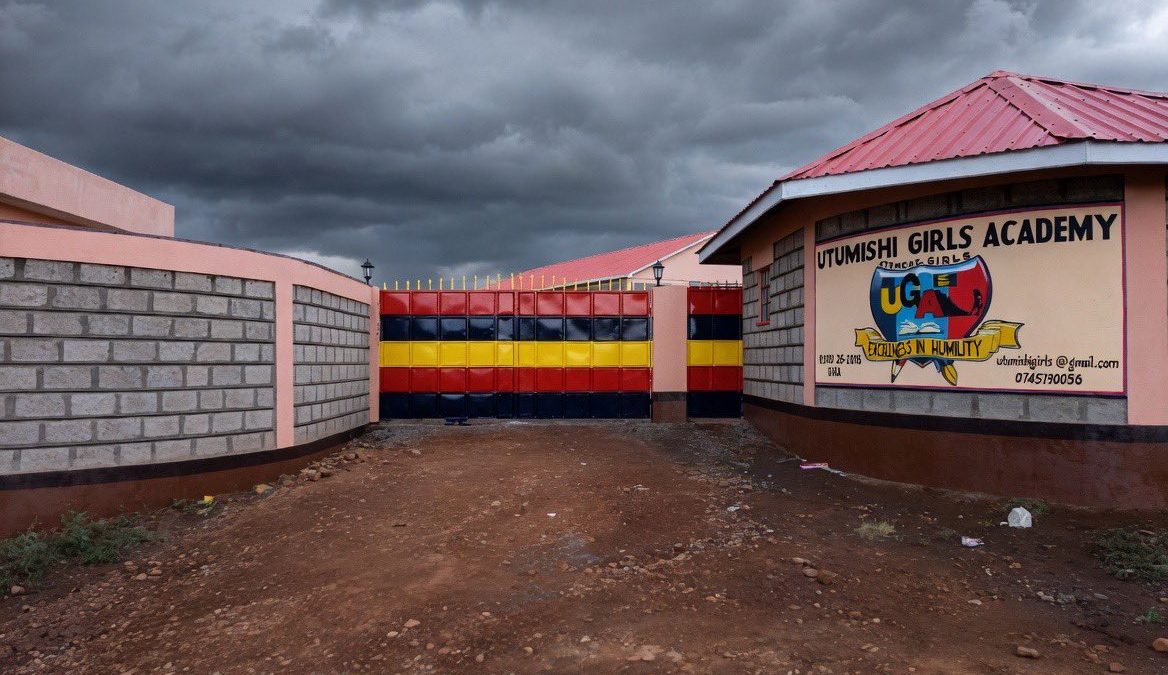
The night at Utumishi Girls Academy in Gilgil should have been ordinary, the kind of quiet that blankets most boarding schools after lights out. Instead, it turned into a nightmare that has left the country shaken.
A dormitory fire broke out while students were asleep, spreading rapidly through the building and trapping many inside. At least 16 students are reported dead, while dozens more were injured, some critically, after desperate attempts to escape the flames. Survivors have described thick smoke, panic in the dark, and confusion over exits that were either locked or too difficult to access in time.
This tragedy has reopened a national conversation that never really goes away for long. Kenya has lived through similar school fire disasters before, each one followed by shock, investigations, and promises of reform. Yet the pattern keeps repeating itself. Now, once again, the question is being asked in homes, staffrooms, and government offices: Is the boarding school system still safe for children in its current form, or is it time to rethink it completely?
When safety becomes a gamble in education spaces
Boarding schools were designed to provide structure, discipline, and academic focus. For many families, they remain a practical solution, especially where schools are far from home. However, incidents like the Utumishi fire expose a deeper issue that cannot be ignored. Safety in many institutions is treated as a checklist rather than a lived reality.
Reports from the scene indicate that the fire spread quickly through the dormitory, giving students little time to respond. Emergency response teams, including the Kenya Red Cross and security agencies, arrived and worked to rescue survivors, but by then the damage had already been done. Investigations are still ongoing into the cause of the fire, with early indications pointing to possible structural and management issues that will need to be fully examined.
The uncomfortable truth is that many boarding schools operate under conditions that would raise concern if inspected more closely. Overcrowded dormitories, limited exits, and aging infrastructure are not rare exceptions. They are often part of the system.
The hidden weak points inside boarding systems
One of the most critical challenges is infrastructure. Some dormitories were built decades ago, long before current safety standards were introduced. Narrow exits, barred windows, and tightly packed sleeping arrangements can turn a manageable emergency into a deadly trap. When fire breaks out at night, every second matters, and poor design takes away precious escape time.
Another concern is emergency readiness. While many schools claim to conduct fire drills, the reality is that drills are often irregular or treated as formalities rather than serious preparation. Fire extinguishers may exist but are not always functional, and evacuation plans may not be well understood by students.
Supervision also plays a role. Night hours in boarding schools are usually understaffed, meaning response to emergencies can be delayed. In situations where smoke spreads rapidly, even a delay of a few minutes can determine survival.
The emotional weight carried by families
For parents, boarding school is an act of trust. They send their children away believing they will be safe, cared for, and guided. When tragedy strikes, that trust is shattered in the most painful way possible. The loss is not only of life, but of confidence in a system that is supposed to protect the most vulnerable.
For surviving students, the impact does not end with physical escape. Trauma, fear, and emotional distress often follow long after the headlines fade. The sound of alarms, the smell of smoke, or even nighttime silence can trigger memories that remain deeply embedded. Schools are supposed to be places of learning and growth, but experiences like this leave invisible scars.
Five reasons the boarding school question must be revisited
First, student safety must be treated as the highest priority in education policy, not as an afterthought behind academic performance or enrollment numbers.
Infrastructure standards must be strictly enforced, including safe dorm designs, clear exits, and removal of structural hazards that trap students during emergencies.
Emergency preparedness must be practical and tested regularly, not just written in manuals that are rarely followed.
Accountability must be strengthened so that school management, inspectors, and education authorities are responsible when safety standards are ignored.
Fifth, alternative education models such as safe day schooling or smaller residential units should be seriously expanded, especially in areas where boarding conditions remain unsafe.
A system at a crossroads
The Utumishi Girls tragedy is not an isolated incident in Kenya’s education history. It is part of a troubling pattern that keeps resurfacing with devastating consequences. Each time, the country mourns, investigates, and moves on, until the next disaster forces the same conversation again.
Boarding schools have played an important role in shaping education, but their continued existence in their current form raises difficult questions. If children are to learn away from home, then their safety must be guaranteed without compromise. The real question now is not whether boarding schools should exist, but whether they can be made truly safe, or whether the system itself needs a fundamental rethink before another tragedy forces the conversation again.