Okoth Obado conviction: The rise and fall of former Migori governor
By Cynthia Lodite, July 23, 2026Former Migori Governor Zachary Okoth Obado was once regarded as one of Kenya’s most influential county leaders. Rising from a career in public administration to become Migori’s first elected governor under the devolved system of government, Obado built a reputation as a powerful political figure in Nyanza.
However, his career took a dramatic turn following the 2018 murder of university student Sharon Otieno, a case that gripped the nation and ultimately culminated in his conviction nearly eight years later.
Early life and career
Before entering elective politics, Obado worked in Kenya’s public service. Zachariah Okoth Obado was born and raised in Migori
For his secondary education, he attended St Joseph’s Rapogi Secondary School in Uriri.
Later, the former governor joined Kenyatta University, earning a Bachelor of Education degree and later obtaining a master’s degree in strategic management.
In his personal life, Obado is married to Helen Obado, and the couple has four children.
Obado began his working life as a teacher under the Teachers Service Commission, teaching in secondary schools.
In his teaching career, Okoth Obado first taught at Terang Boys High School in Kericho before transferring to St Joseph’s Rapogi Secondary School, where he taught science.
Okoth Obado, however, changed from his teaching profession into business and public administration.
He served in various administrative roles, including within the Ministry of Finance and the defunct Constituencies Development Fund (CDF) structures.
His background in public administration helped shape his image as an experienced government official before he ventured into county politics.
Rise to political prominence
Following the promulgation of the 2010 constitution and the creation of county governments, Obado successfully contested for the Migori gubernatorial seat in the 2013 General Election. He became Migori County’s first governor and was later re-elected in 2017.
During his tenure, he oversaw infrastructure projects, expansion of health facilities, road development, and other county programmes.
Like many governors during the early years of devolution, he became an influential figure in regional politics and national discussions on county governance.
Corruption allegations
Even before the murder case reached its conclusion, Obado faced legal challenges related to alleged misuse of public funds.
In 2021, Obado, his four children, and others were charged over an alleged conspiracy to defraud Migori County of about KSh 505 million through economic crimes, money laundering, and conflict of interest.
In September 2025, the ODPP announced recovery of Ksh235.6 million in assets from Obado and 17 co-accused following a plea bargain.
The High Court (Milimani Anti-Corruption Court) allowed the DPP to withdraw the corruption charges after adopting the plea bargain agreement as a judgement of the court in May 2026.
The Sharon Otieno murder case
Obado’s political fortunes changed dramatically in September 2018 after the killing of Sharon Otieno, a 26-year-old Rongo University student who was found murdered while pregnant.
Obado was charged in connection with the murder of Sharon Otieno and her unborn child, making him the first serving governor in Kenya to face charges related to a capital offence.
Prosecutors held that the former governor had an intimate relationship with Sharon Otieno and facilitated the events that led to her abduction and killing.
Obado’s personal assistant, Michael Oyamo, was accused of planning and coordinating the abduction and murder alongside Caspal Obiero.
The three were, however, acquitted on a separate charge relating to the death of Sharon.
Justice Cecilia Githua ruled that the prosecution had established a prima facie case against the accused in January 2025.
The High Court scheduled the murder case judgement for May 29, 2026, which was later postponed.
Conviction
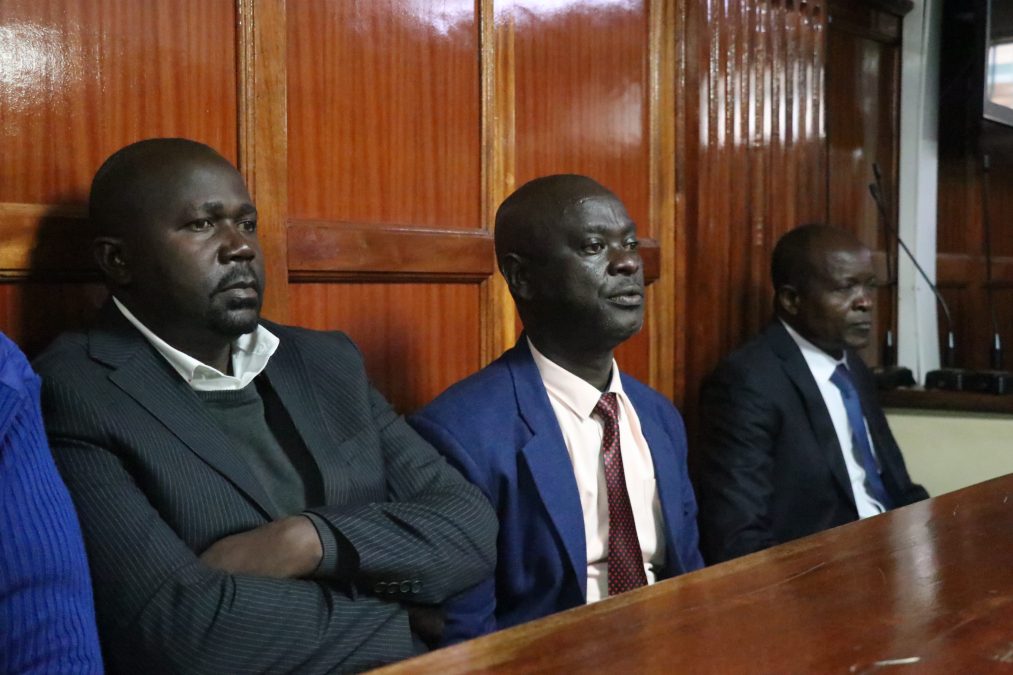
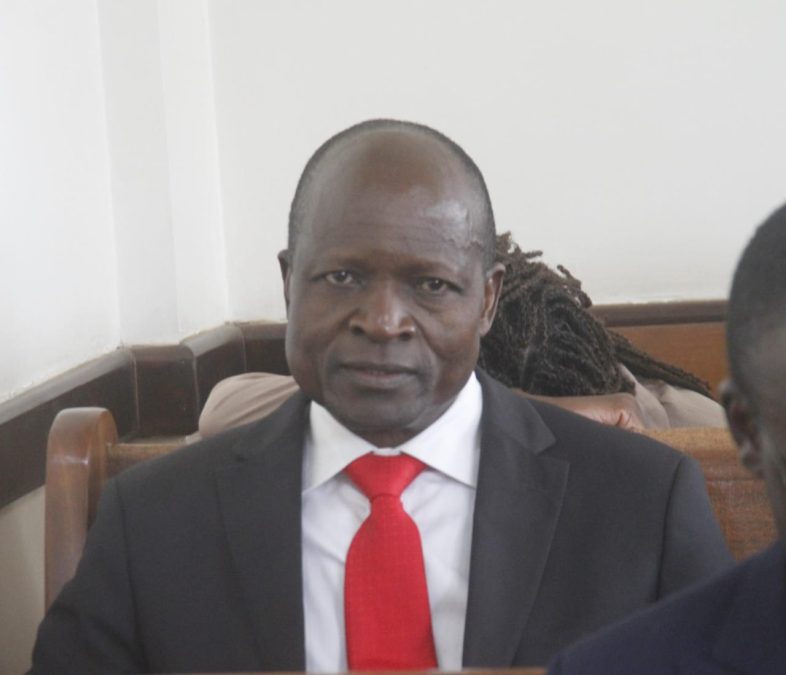
On Thursday July 23, 2026, the High Court found Obado and his co-accused guilty in the murder of Sharon Otieno.
The court ruled that the prosecution had proved its case beyond reasonable doubt. Following the conviction, the three were remanded pending sentencing.
The judgement marked one of the most significant convictions involving a former Kenyan governor, closing a chapter that had dominated headlines since 2018.