Inside Kenya’s school fire problem: What keeps going wrong?
By David Nthua, May 28, 2026Kenya’s history of school fires stretches back more than three decades, yet the pattern remains painfully familiar: dormitory infernos, high fatalities, rushed investigations, and repeated government promises that rarely translate into lasting structural change.
From the 1991 St Kizito tragedy to the 2001 Kyanguli massacre, and more recently the 2024 Hillside Endarasha fire in Nyeri that killed 21 pupils, the cycle of loss continues with alarming consistency.
The latest tragedy at Utumishi Girls Academy in Gilgil, where at least 16 students died and about 79 others were injured in a dormitory fire, has once again reopened national debate on whether enough has been done to secure boarding schools across the country.
Reports indicate the fire broke out shortly after midnight and raged for hours as students struggled to escape smoke-filled dormitories.

History of repeated tragedies
School fires in Kenya are not isolated events but part of a long and disturbing timeline.
One of the most devastating incidents remains the 2001 Kyanguli Secondary School fire in Machakos County, where 67 students died after a dormitory was set ablaze, making it one of the deadliest school fires in Africa.
The pattern did not stop there. In 2017, Moi Girls High School in Nairobi lost several students in a dormitory fire, while investigations pointed to weak safety systems and possible arson-related causes as recurring triggers in school unrest cases.
In 2024, the Hillside Endarasha Academy fire in Nyeri County claimed 21 lives and left dozens injured, again exposing overcrowding and safety compliance failures in boarding facilities.
Even earlier records show that fires and related dormitory tragedies have been occurring since the 1990s, including incidents at institutions such as St Kizito and other schools where violence, arson and structural safety gaps led to mass casualties.
Endarasha lessons ignored
The 2024 Nyeri fire at Hillside Endarasha Academy was expected to be a turning point.
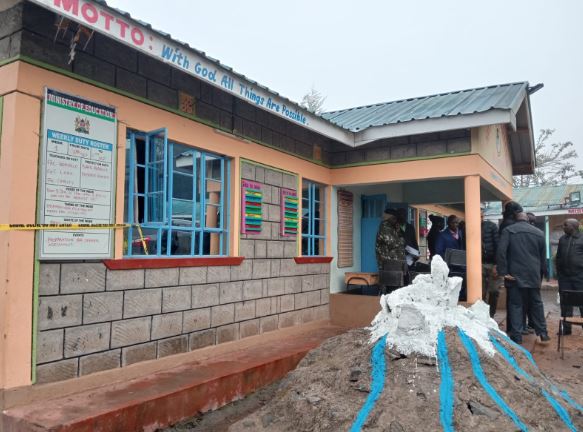
It triggered national mourning, government promises of reforms, and calls for stricter enforcement of boarding school safety standards.
The incident killed 21 children and injured several others while they slept in overcrowded dormitories.
However, despite those promises, enforcement has remained inconsistent.
Schools continue operating with varying levels of compliance, and inspections are often described by experts as irregular or superficial.
The repetition of similar circumstances in subsequent tragedies raises questions about whether lessons are ever fully implemented beyond public statements.
Broken safety systems
A recurring factor in nearly all major school fire incidents is the failure of basic fire safety systems.
Investigations from past tragedies have repeatedly pointed to locked or obstructed exits, lack of smoke detectors, inadequate fire drills and overcrowded dormitories as key contributors to high fatalities.
In many cases, students have been trapped because exit doors could not be opened quickly, or windows were grilled without emergency release options.
Fire safety experts consistently warn that such design choices turn dormitories into high-risk zones during emergencies.
Government promises gap
After almost every major school fire, government officials have announced inquiries, compensation plans and reforms.
Yet implementation has often been slow or incomplete, with reports of recommendations not fully enforced at the school level.
Following past tragedies such as Kyanguli and Endarasha, commissions of inquiry and policy reviews have been set up, but long-term structural enforcement has remained weak.
Critics argue that while policy frameworks exist, compliance monitoring and accountability mechanisms are insufficient to prevent recurring disasters.
Human behaviour factor
Beyond infrastructure, human behaviour has also been cited in multiple investigations.
Some fires have been linked to student unrest, protests, or arson, often triggered by grievances such as disciplinary issues, academic pressure, or school management disputes.
Why the cycle continues
The recurring nature of school fires in Kenya is often described by safety analysts as a combination of weak enforcement, outdated infrastructure and reactive rather than preventive governance.
Many schools still operate dormitories built decades ago, without modern fire suppression systems or updated evacuation designs.
In addition, safety audits are often treated as compliance exercises rather than life-saving interventions.
Until enforcement becomes strict, continuous and independent of political cycles, experts warn that the cycle is likely to persist.
A nation still searching for answers
From the 1990s tragedies to Kyanguli, Endarasha and now Utumishi Girls Academy, Kenya’s school fire problem remains unresolved despite decades of lessons, reports and promises.
The pattern is clear, the warnings are known, and the solutions are well documented.
Yet the gap between policy and practice continues to define one of the country’s most painful recurring crises.