Advertisement
How misusing antibiotics is turning treatable infections deadly
19th December, 2025 05:28 PM
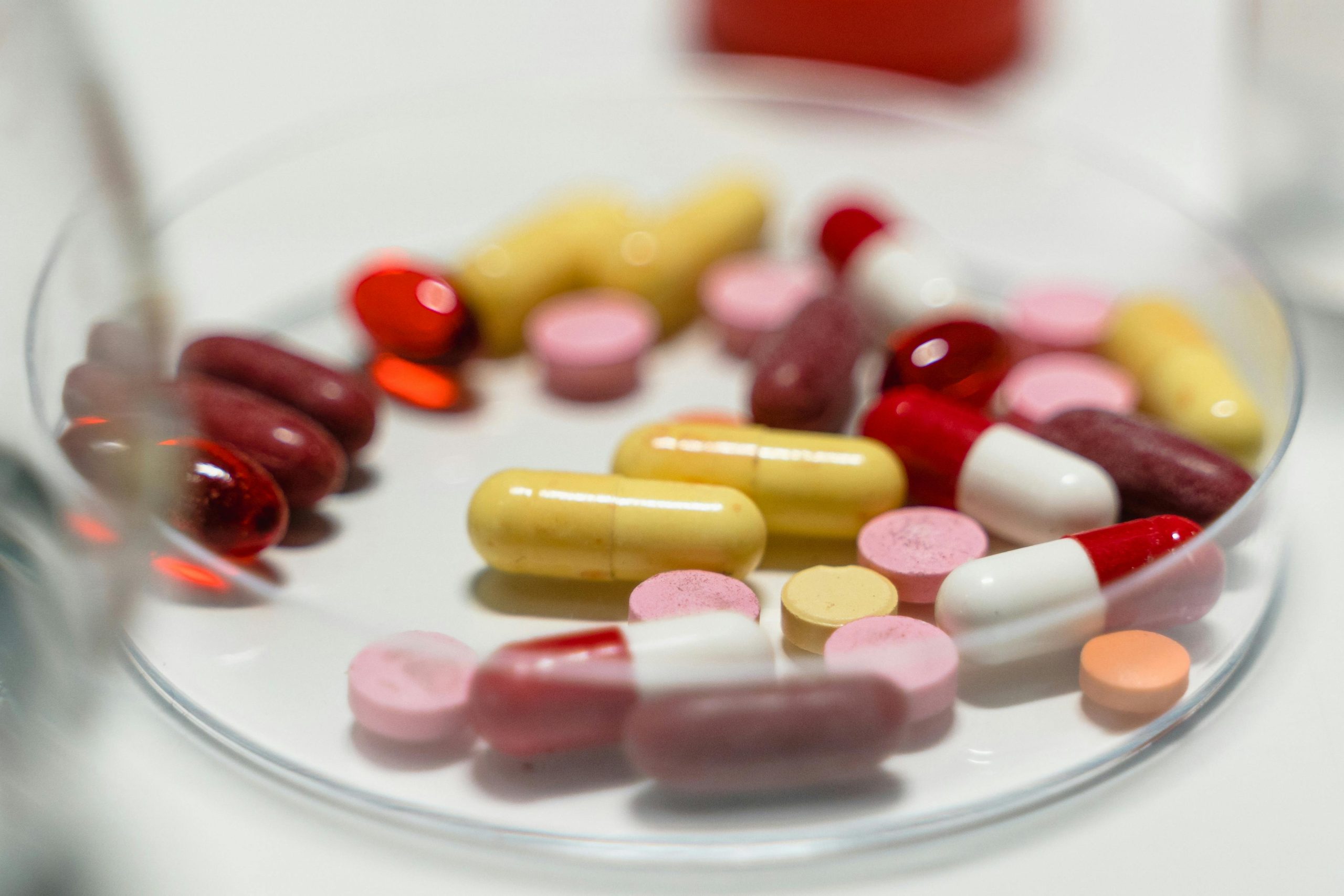
Antimicrobial resistance (AMR) is a global health crisis. In 2019 alone, it claimed over 1.27 million lives- more than HIV/AIDS, tuberculosis, and malaria combined.
Africa suffers the highest burden, with a death rate of 27.3 per 100,000 from drug-resistant infections. To confront this escalating threat, the WHO, UNEP, FAO, and the World Organisation for Animal Health (WOAH) and the Food and Agriculture Organisation (FAO) have committed to jointly advance the fight against AMR.
Walter Fuller, AMR Coordinator, WHO Africa Region, told Willow Health Media that AMR was directly linked to 1.14 million deaths in 2021. In both years, the highest mortalities were recorded in Sub-Saharan Africa.
“The reasons for increasing AMR cases range from limited access to diagnostics, gaps in infection prevention, and inappropriate use of medicines in humans and animals, to inadequate water, sanitation and hygiene,” Fuller explained.
AMR occurs when viruses, bacteria, fungi, and parasites that cause diseases change over time and refuse to respond to medicines. These mutations make common infections harder or impossible to treat, increasing the risk of disease spread, severe illness and deaths.
During the World Antimicrobial Resistance Awareness Week (WAAW) commemorated in November, the aforementioned global agencies, including the Centres for Disease Control (CDC), called for a paradigm shift from siloed efforts to a One Health Approach in combating AMR.
The week themed “Act Now: Protect Our Present, Secure Our Future” was held from December 2 to December 8, 2025, in Dar es Salaam, Tanzania.

Climate change effects
Fuller observed that climate change and AMR are connected, and WHO recognises that the health of humans, animals, plants and the environment is inseparable.
There is evidence that clearly shows climate change can both increase the spread of disease and accelerate the spread of resistant pathogens. This is why our approach to addressing AMR is not isolated but rather is in close collaboration with our quadripartite partners (FAO, WOAH and UNEP),” Fuller explained.
Fuller indicated that globally, Streptococcus pneumoniae, Klebsiella pneumoniae, Escherichia coli (E. coli), Staphylococcus aureus and Pseudomonas aeruginosa were the five major bacterial pathogens, responsible for more than half of all deaths registered in 2021.
“In the African Region, these 5 pathogens had the highest age-standardised mortality with 230 deaths (185–285) per 100,000 population compared to any other region,” Fuller expounded.
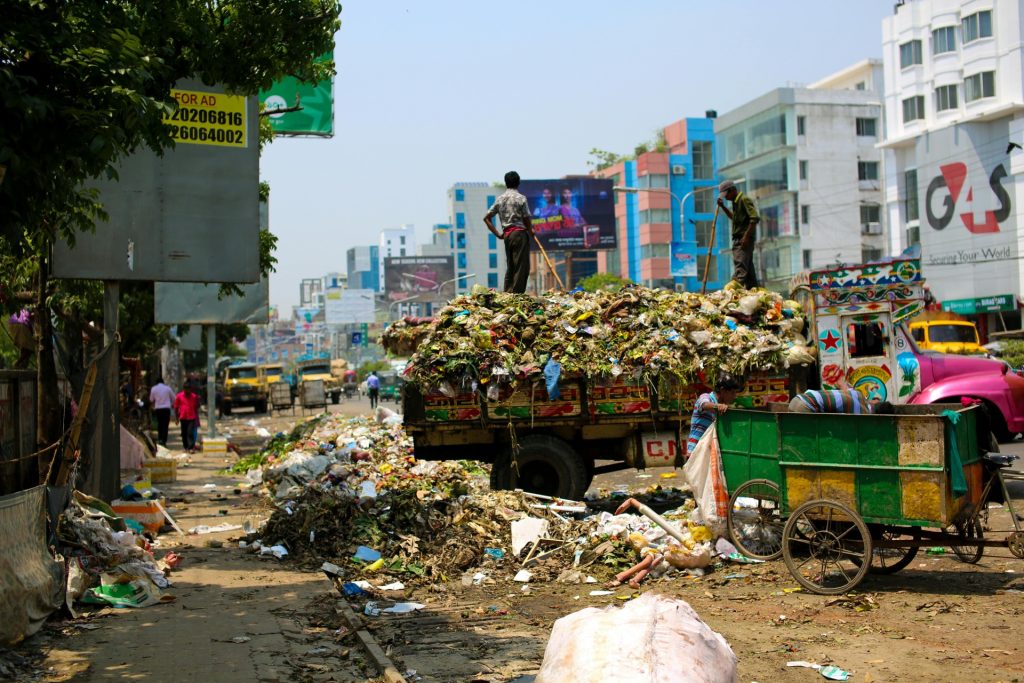
Unique challenges to Africa’s battle include poor water, sanitation and hygiene and unregulated access to antimicrobial medicines through street vendors.
“We need quality data to inform key interventions on AMR. Unfortunately, diagnostic and surveillance capacity is still limited in most countries. We need the political will to be followed by a strong financial commitment to ensure countries implement their National Action Plans. Sustainability to combat AMR cannot rest on external funding,” he said.
Across Africa, all 47 WHO Afro Member States, including Kenya, now have National AMR Action Plans. Fifty-two countries have joined the WHO GLASS system; 29 are actively reporting AMR data to guide policy, and 32 are implementing antimicrobial stewardship programs.
Africa CDC is driving AMR initiatives across the continent through capacity building in 37 countries and offering frameworks and technical guidance documents for all 55 countries.
Tanzania was selected as the strategic host for continental WAAW celebrations due to its commitment to battling AMR through national policies.
The country’s “Holela Itakukosti” (Recklessness will cost you) AMR campaign reached 24.7 million radio listeners, 23.1 million social media users and generated 260 million social media impressions. It was highlighted as best practice in the African Union’s AMR Landmark Report and recommended for replication by other member states.