CS Mbadi proposes Ksh8.6B for creatives, film, music and digital economy
By William Muthama, June 11, 2026Cabinet Secretary for the National Treasury John Mbadi has proposed Ksh8.6 billion for Kenya’s Creative Economy and Digital Superhighway in the 2026/27 Budget, marking a significant reduction from allocations made in the previous two financial years.
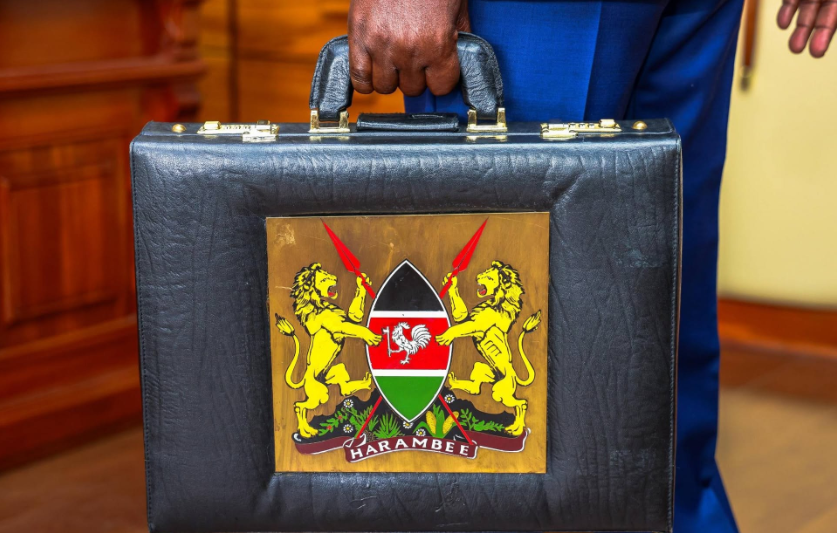
Presenting the Ksh4.8 trillion budget in Parliament on Thursday, June 11, 2026, Mbadi described the creative economy as a key driver of growth, innovation and youth employment.
“Kenya’s creative economy, encompassing film, music, fashion, arts, media, digital content and design, has become a powerful engine for growth and youth empowerment,” Mbadi told lawmakers.
Funding allocation details
According to the Treasury CS, the Ksh8.6 billion allocation will support several digital transformation programmes aimed at boosting connectivity and expanding access to technology-driven opportunities.
“To accelerate digital adoption and inclusion, I propose Ksh8.6 billion to this sector,” Mbadi said.
The allocation includes Ksh4.3 billion for the Kenya Digital Economy Acceleration Project, Ksh1.3 billion for maintenance and rehabilitation of the national optic fibre backbone infrastructure, and KSh528 million for last-mile county connectivity.
Other allocations include Ksh309 million for government shared services, Ksh382 million for cybersecurity under the Digital Superhighway programme, Ksh400 million for the establishment of digital hubs and Ksh455 million for ICT infrastructure maintenance.
Mbadi noted that digital connectivity and literacy remain critical for education, healthcare, financial services, public service delivery and access to emerging economic opportunities.
Creative sector projects
The funding is expected to support several initiatives targeting Kenya’s creative industry, including the construction of film hubs in Nyeri, Bomet and Migori counties.
The government also plans to establish a 150-seat cinema theatre, roll out a rural cinema machinery programme, facilitate 1,745 film productions and train 1,847 filmmakers across the country.
In addition, KSh2 billion has been set aside for the NextGen.The internship programme being implemented in partnership with the United Nations Development Programme (UNDP).
Budget cut concerns
Despite the planned projects, the latest allocation represents a notable decline in funding for the sector.
In the 2024/25 financial year, the Digital Superhighway and Creative Economy programme received Ksh16.3 billion under then-Treasury CS Njuguna Ndung’u. The allocation was later reduced to Ksh12.7 billion in the 2025/26 budget.
The proposed Ksh8.6 billion for 2026/27 therefore, marks the second consecutive reduction in funding, a move likely to raise concerns among stakeholders in Kenya’s film, music, fashion, media and digital content industries as they push for greater investment in the rapidly growing sector.