Beyond the protests: Lessons every Kenyan can learn from Saba Saba
By Katemarthason Okudo, July 7, 2026Every year on July 7, Kenyans mark Saba Saba, a date that carries deep historical significance. While many associate the day with demonstrations, road closures and political debates, its story stretches far beyond protests. At its heart, Saba Saba is a reminder of the power of ordinary citizens, the importance of unity and the value of standing up for what is right through lawful and peaceful means.
Thirty-six years after the events of July 7, 1990, the anniversary continues to spark conversations about democracy, accountability and civic responsibility. It also offers lessons that remain relevant in everyday life, regardless of age, profession or political affiliation.
The power of speaking up
One of the biggest lessons from Saba Saba is that every voice matters. History shows that lasting change often begins when people choose to express their concerns rather than remain silent.
Today, speaking up goes beyond political matters. It can mean reporting corruption, raising concerns about poor public services, participating in community meetings or simply encouraging honest conversations about issues affecting society.
The Constitution of Kenya 2010, Articles 33 and 37 guarantees freedoms such as expression, association and peaceful assembly, reminding citizens that these rights come with responsibility. Article 33 protects freedom of expression, while Article 37 gives every person the right to assemble, demonstrate, picket and present petitions peacefully and unarmed.
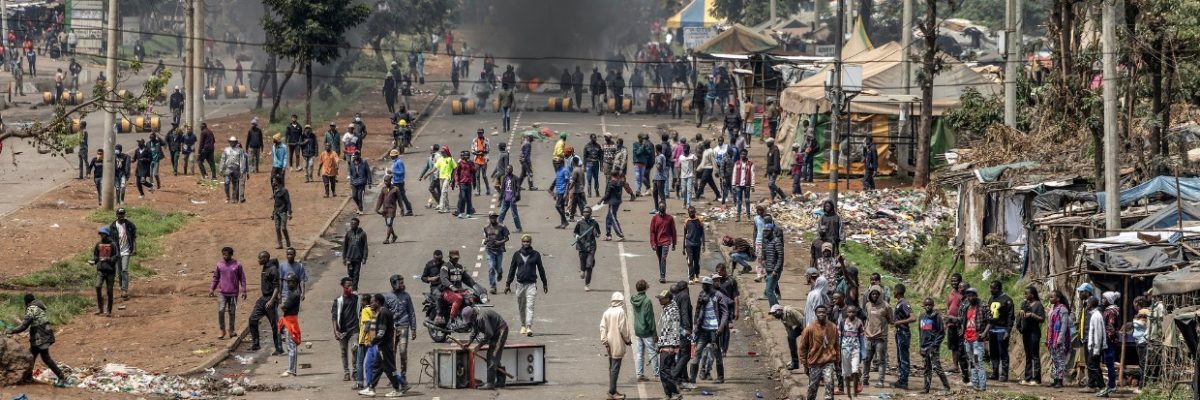
Unity creates stronger communities
Saba Saba also highlights what people can achieve when they work towards a common goal. Although Kenyans come from different backgrounds, cultures and beliefs, moments in history have shown that shared values can bring people together.
That lesson extends to everyday life. Communities often achieve more when neighbours support one another, young people volunteer in local initiatives and residents work together to solve common challenges instead of waiting for others to act.
The Constitution of Kenya, 2010, Article 10.encourages national unity, inclusion, participation of the people and protection of human rights as part of Kenya’s national values.
Know your rights and responsibilities
Many of the freedoms enjoyed today did not come overnight. The journey towards multiparty democracy and later constitutional reforms was shaped by years of civic participation and public engagement.
Understanding constitutional rights is important, but so is respecting the law, protecting public property and recognising the rights of others. Civic responsibility is not limited to election periods; it includes paying taxes, obeying the law, participating in public forums and contributing positively to society.
The Constitution of Kenya, 2010, Articles 24 states that the exercise of rights and freedoms should not prejudice the rights and fundamental freedoms of others. It also requires citizens to uphold and defend the Constitution.
Young people continue to shape the future
Over the years, younger generations have given Saba Saba new meaning. Social media has become a platform where civic education, public discussions and calls for accountability can reach millions within minutes.
While digital platforms have expanded participation, they have also highlighted the need to verify information before sharing it. Responsible online engagement remains one of the most valuable ways citizens can contribute to informed public conversations.
The Communications Authority of Kenya has repeatedly urged internet users to avoid spreading false information online, especially during periods of public tension, noting that misinformation can cause panic and division.
Peace remains the greatest strength
Although Saba Saba is remembered for courageous acts of civic action, it also reminds Kenyans of the heavy cost that conflict and violence can have on families, businesses and communities.
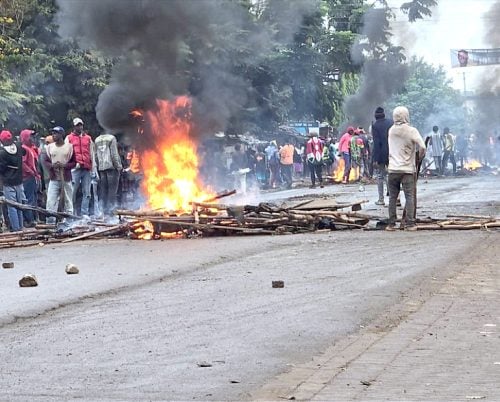
The anniversary serves as a reminder that dialogue, respect for differing opinions and peaceful engagement remain essential in resolving disagreements. Democracy grows stronger when citizens can express themselves without fear while respecting the rights of others.
The Constitution of Kenya, 2010, Article 37 protects the right to peaceful assembly, while the Kenya National Commission on Human Rights has consistently called for the protection of peaceful protesters and respect for human rights during public demonstrations.
Remembering the past while shaping tomorrow
For many Kenyans, Saba Saba is more than a historical date. It is an opportunity to reflect on how far the country has come and the role every citizen plays in protecting democratic values.
Its legacy is not only found in history books or annual commemorations but also in everyday actions such as respecting the rule of law, participating in community affairs, listening to different perspectives and choosing peace over division.
As Kenya marks another Saba Saba anniversary, the day stands as a reminder that meaningful change is built through active citizenship, shared responsibility and a commitment to creating a better future for generations to come.