Advertisement
5 things to know about Zimbabwe’s democracy after MPs back plan to extend Mnangagwa’s rule
20th June, 2026 12:37 PM
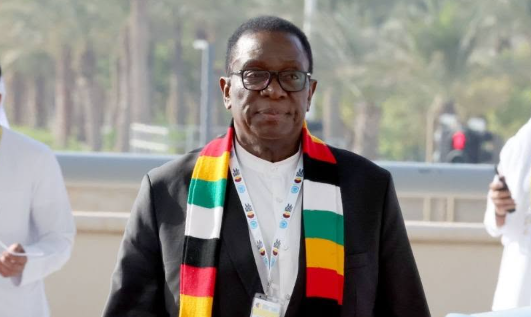
Zimbabwe’s democracy has come under fresh scrutiny after Members of Parliament voted overwhelmingly (216–42) to pass the Constitution Amendment (No. 3) Bill.
The move has sparked nationwide debate as it could significantly reshape the country’s political system and potentially extend the 83-year-old President Emmerson Mnangagwa’s time in office.
The amendment has been described by supporters as a stability measure, while critics argue it weakens democratic accountability and concentrates power within the ruling establishment.
Here are five key things to know:
Extended political terms
One of the major changes in the amendment is the extension of presidential terms from five years to seven years. If fully implemented, this would push the next general elections from 2028 to 2030.
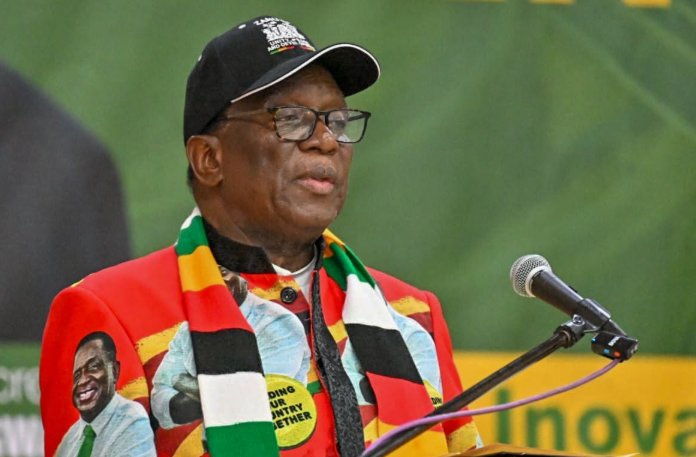
Supporters argue that the change will give leaders more time to implement long-term development projects, while critics say it reduces voter influence over leadership transitions.
Shift in how the president is chosen
The proposed reforms introduce a major change in the electoral system. Instead of citizens directly voting for the president, the head of state would be selected by a joint sitting of Parliament, including the National Assembly and the Senate.
Opposition leaders argue that this reduces public participation in choosing the country’s leader and increases political control by lawmakers.
Longer terms for other elected leaders
The reforms also extend the terms of Members of Parliament, mayors, and councillors from five to seven years.
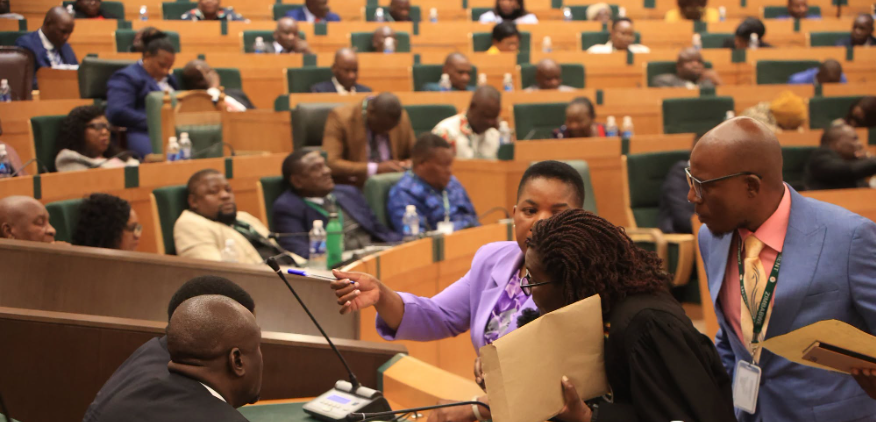
Critics say this could reduce electoral accountability and strengthen the dominance of the ruling party, ZANU-PF, across different levels of government.
Concerns over democratic space
The vote has triggered concern among opposition parties, civil society groups, and human rights organisations.
Reports of tensions during public consultations and claims of pressure on critics have added to fears of shrinking democratic space.
While the government insists the reforms followed public input and aim to promote stability, critics argue they signal a weakening of democratic safeguards.
Uncertain political future
The bill now moves to the Senate for further debate and possible approval. There is also uncertainty over whether a national referendum will be required due to the scale of the constitutional changes.it
Author
William Muthama
William Muthama is a digital journalist with a focus on entertainment, human interest, and current affairs. Share stories: [email protected]/ [email protected]
View all posts by William Muthama