1,148 lives lost: Why crossing Kenya’s highways has become a deadly gamble
By Cynthia Lodite, August 4, 2026Every morning, thousands of Kenyans step out of their homes ready to build the nation. Traders carry heavy loads toward roadside stalls, students walk to catch school buses, and office workers trek across multi-lane highways to reach matatu stages. Yet for far too many, this routine commute ends in tragedy.
Recent figures from the National Transport and Safety Authority show that pedestrians account for the largest single group of road fatalities in the country, with 1,148 lives lost in pedestrian crashes within a single reporting period.
Major transport corridors, including the Thika Superhighway, Mombasa Road, Waiyaki Way, and the Nakuru–Eldoret highway, have turned into high-risk spots for foot commuters.
Beyond the label of recklessness
Public conversations often frame these fatal accidents as cases of human error or sheer carelessness. However, the everyday reality on the ground tells a very different story.
The majority of people dodging moving traffic are not seeking thrills or intentionally breaking traffic rules. They are ordinary citizens navigating poorly connected urban landscapes.
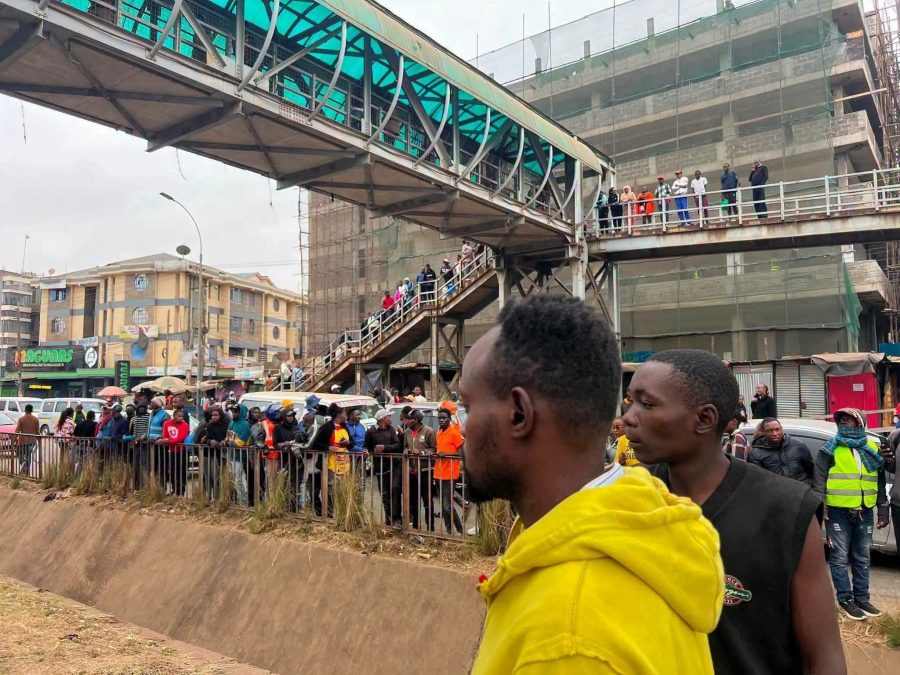
A commuter leaving work at dusk along Waiyaki Way may face a choice between sprinting across six lanes of fast traffic or walking nearly a kilometre to the nearest footbridge.
For a small-scale trader hauling goods across Mombasa Road or a parent dropping a child at school near the Nakuru–Eldoret stretch, adding twenty minutes to a journey on foot is not always realistic. Security concerns on dimly lit elevated walkways after dark also force many to take their chances on the tarmac below.
Rethinking road design and safety
Each pedestrian death affects far more than the individual victim. Families lose breadwinners, children lose parents, and communities lose neighbours, workers, and friends.
Survivors of highway crashes often face permanent disabilities, expensive medical treatment, and loss of income
While individual caution matters, highway infrastructure must align with how ordinary people live and work.
Planners need to place pedestrian footbridges closer to active bus stops, schools, and estate entrances. Replacing steep staircases with gentle ramps makes crossings manageable for elderly citizens, pregnant mothers, and people living with disabilities.
Better street lighting and regular security patrols on elevated bridges would also encourage higher usage.
Until highways cater to pedestrians as essential road users rather than secondary priorities, crossing Kenya’s busiest roads will remain a daily gamble for thousands of workers and families.