Uji Power: Brew redefining Kenyan masculinity and morning rituals
By Faith Lagat, July 20, 2025In the buzzing streets of Nairobi, Kisumu, Eldoret, and other towns across Kenya, a quiet but flavorful revolution is taking over.
For years, kahawa—whether it’s the spiced kahawa tungu from the Coast or the café cappuccinos of the city—has been the beverage of choice for morning banter, political debates, and after-work wind-downs.
But in recent times, kahawa is facing a new rival: Uji Power.
This is no ordinary porridge. Uji Power is the street name for a potent version of traditional Kenyan uji, enhanced with ingredients such as moringa powder, mukombero root, pumpkin seeds, peanuts, cassava, and honey. It’s more than breakfast; it’s a lifestyle, a social ritual, and for many men, a ticket to renewed energy and masculinity.
Take a walk down Ronald Ngala Street in Nairobi, and you’ll spot the long queues forming outside makeshift stalls, especially in the early hours of the morning. One of the most famous vendors, Anne, has been serving her blend since 2018. Her nyimbo mugs—those metallic plates turned porridge bowls—have become iconic. She reportedly sells over 1,000 servings a day. Her secret? A generous sprinkle of mukombero.
“Mukombero is the hook,” Wambui revealed in an interview. “Without it, they’d pass my stall like a miraa truck.”
And she’s not wrong. Mukombero (Mondia whitei) has deep roots in Kenyan traditional medicine, especially among the Luhya community, who have long used it as a natural aphrodisiac. Known for its sweet, vanilla-like aroma and chewy texture, mukombero is believed to boost libido, energy, and stamina. I
t’s chewed raw in some parts of the country, but in Nairobi’s Uji Power stalls, it’s ground into powder and mixed right into the porridge.
Then there’s Moringa, a superfood that has found its way from herbal shops to roadside kiosks. It’s packed with vitamins, antioxidants, and minerals that promise better immunity, improved digestion, and reduced fatigue. For men looking for a natural boost—without the side effects of over-the-counter energy drinks or pills—Uji Power feels like the perfect solution.
New ritual of masculinity
But here’s where it gets interesting: Uji Power isn’t just about health. It’s about identity.
In many “bases” across urban centres—those social spots where men gather to swap stories, argue about football, or analyse the latest political drama—kahawa used to reign supreme. Today, these same corners are dominated by nyimbo mugs filled with Uji Power.
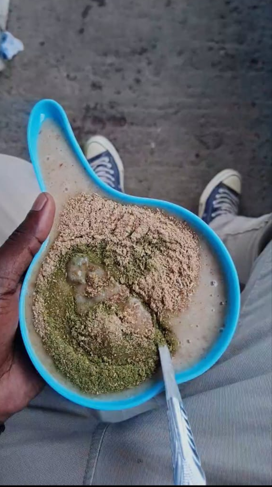
It has become a symbol of male bonding, a ritual that combines wellness with bravado. The jokes practically write themselves: “Ukikosa bibi, wachana na mukombero,” one man quipped at Wambui’s stall, suggesting there’s no point in powering up if you’re going home alone.
Yet behind the humour lies a serious cultural shift. Uji Power is not just displacing kahawa because of taste—it’s also about affordability and function. For just Ksh 50, one can get a hearty serving that doubles as breakfast and lunch. It’s filling and energising, and for many hustlers in the city, it’s a survival hack in a harsh economy. Compare that to a standard café coffee that could cost upwards of Ksh 150, and the reasons for Uji Power’s popularity become clear.
Social media has played its role in fuelling the trend. On X, memes and comments about Uji Power flood timelines. Some users joke about men using it to avoid the “relegation zone”—a cheeky reference to poor bedroom performance.
A drink of controversy
Not everyone is on board. The Kenya Bureau of Standards (KEBS) has already raised concerns about unregulated production. With vendors mixing their recipes, there’s no standard on how much mukombero is safe or effective. Nutritionists warn that overconsumption could lead to digestive issues, dependency, or worse, consuming contaminated products.
There’s also the environmental concern. Mukombero is traditionally harvested from the wild, especially in places like Kakamega Forest. As demand rises, so does the risk of overharvesting. Conservationists are calling for more sustainable cultivation, but that message is yet to reach many small-scale vendors and consumers.
Then there’s the gender angle. Some women feel alienated from the Uji Power craze. While kahawa was a communal drink for everyone, Uji Power is increasingly marketed as a ‘men’s drink’, linked to male vitality and libido. That perception might limit its appeal in the long run. After all, wellness isn’t just a male domain.
Kahawa’s future in question
So, where does this leave Kahawa?
Coffee farmers may be watching this shift with concern, but the reality is that both drinks might find a way to coexist. Coffee still holds its place in Kenya’s economy and culture, especially in formal and corporate spaces.
But in the informal corners of Nairobi’s streets, Uji Power has claimed new territory—serving not just as food, but as an affordable alternative to supplements, a social glue, and a quiet rebellion against pricey coffee culture.
The challenge now is to ensure that Uji Power is safe, sustainable, and inclusive. Mukombero needs to be cultivated responsibly. Vendors need training on hygiene and safe ingredient combinations. And perhaps it’s time to break the gender stereotypes and market Uji Power as a health drink for everyone—not just men chasing ‘nguvu za kiume’.
Will this trend last? Or is it just a passing phase? Only time will tell. But for now, Uji Power has redefined what it means to “take something hot” in the morning. It’s a mugful of tradition, wellness, and street wisdom—and for many Kenyan men, a new symbol of strength.