From creepy to cute? How grooming has been romanticised through mubaba culture
By Ascah Mwango, July 10, 2025At first, it was “uncle”. Then it became “sponsor”. Now we have fully upgraded to “sugar daddy” or Mubaba if you are on the streets of Nairobi. Sweet name, sour implications.
Grooming, once recognised as a slow, calculated form of manipulation, where older, often wealthier individuals gain trust to exploit the young, has now been dressed up in flashy cars, weekend trips to Diani, and lunch dates at high-end restaurants, then served to us as sugar culture. Romanticised, glamourised and normalised.
But let us unpack this. Slowly like that sponsor unzipping his wallet at a private members’ club in Kilimani while calling you “babe” for the third time in ten minutes.
In the past, grooming was called out. It was frowned upon. A man in his 50s dating a girl fresh out of high school? Alarms went off. Neighbours whispered. Pastors preached. Mothers locked their daughters indoors. It was seen for what it was, predatory.
Who is a mubaba?
He is old enough to have voted in the 90s, still types in uppercase, and ends texts with “Regards.” He knows what you like, your favourite perfume, your rent date, and your class schedule. But it is not because he is attentive. It is because he is strategic. Mubaba culture sells the illusion of choice. But most young women in these dynamics are not choosing; they are surviving.
You cannot talk about sugar culture without talking about desperation. Kenya’s economy has boxed young people into corners. No jobs. No affordable housing. The cost of living is sky-high. And now, romantic relationships are not about love; they are about rescue missions.
It is easy to mistake comfort for care when you have known nothing but chaos.
Soft life and content creation
Sugar culture is everywhere. It is everywhere, subtle and saturated. It is a TikTok trend. It is in song lyrics, couple vlogs, and even advice podcasts telling young people to “find someone who can provide.” The red flags are now aesthetic, filtered in soft lighting, edited with “soft life”, and captioned “He treats me like a queen.”
Girls proudly show off monthly allowances, vacations, designer handbags, fully paid hair appointments, and the occasional iPhone 15 Pro Max. Boys are not left behind. Older women rebranded as sugar mamas now go by “generous aunties” who “just want good company and peace of mind.”
And suddenly, what should cause concern is repackaged as a relationship goal. Red flags? Just part of the aesthetic.
Sugar-coated grooming
Let us call a spade what it is, not a gold-plated blesser.
Mubaba culture is grooming, but with better branding. A clean marketing campaign. Emotional manipulation with a luxury twist.
A 20-year-old in university dating a 47-year-old businessman is rarely in an equal partnership. She is financially pressured, still learning herself, often emotionally malleable, and he knows that. He knows exactly how much attention, money, or comfort to give to earn control.
This is not love. It is power dressed as passion. Influence masked as affection. Access disguised as generosity.
While timelines light up with praise, heart emojis, and soft life envy, the truth is often darker. The girl does not own her time, her voice, or even her location. The relationship becomes a job. A performance.
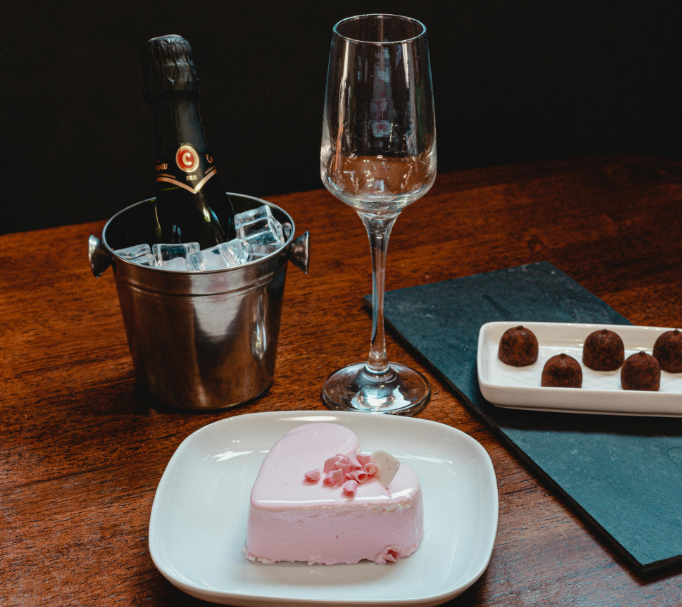
And all the emotional blackmail, silent threats, possessiveness, and manipulation? Swept under the rug like yesterday’s Uber receipts hidden beneath perfume and pretty captions.
It does not help that content creators and even the music industry are constantly pushing this narrative. The songs praise men who spoil their ladies. YouTube is flooded with “sugar baby starter pack” vlogs. Comedy skits show broke boys being roasted for trying to date without money.
Young people watching, scrolling, and reposting start to internalise this script. Love becomes transactional. Relationships become economic decisions. Dignity is replaced with dependence.
A girl does not ask what she wants in a partner; she asks what she can get. A boy does not seek a connection; he looks for a payout.
And the worst part? Society applauds. If a groomer wears a Gucci belt and buys lunch at Artcaffe, it gets a pass.
Let us talk
We are not here to shame anyone. Everyone is trying to navigate this life. But we must begin talking honestly about what is happening. The Alliance Girls’ High School exposé is just one of many cases of grooming.
Grooming does not always look dangerous. Sometimes it brings you flowers, sends you fare, and promises you a future. It is not always violent. Sometimes, it is patient. Kind and strategic.
We need to start calling out the power imbalance. The hidden contracts. The emotional fine print behind the monthly allowance.
Let us stop praising relationships that look like sugar but rot like cavities underneath.
Grooming is not always a creepy man in a trench coat. Sometimes, it is a charming mubaba who sends you roses today and silences your voice tomorrow.
Let us not wait for another student to suffer. Let us not keep quiet when grooming hides behind love.
Let us name it even when it comes with champagne, ride-or-die captions, and weekend getaways.