Why your relaxing scented candles might not be as safe as you think
By William Muthama, May 14, 2026Scented candles are widely used in homes to create a calming atmosphere, improve mood, and enhance interior décor.
However, scientific findings suggest that while they may feel relaxing, they could also contribute to indoor air pollution and expose users to potentially harmful chemicals when used frequently or in poorly ventilated spaces.
According to a study published in the National Library of Medicine by Zainab Nazir, Ashna Habib, and colleagues, scented candles can contribute to indoor air pollution when burned in enclosed spaces.
The research highlights that combustion processes involved in candle burning release a mixture of gases and particles into the air, some of which may affect indoor air quality.
“Indoor air pollution is mainly caused by combustion, building materials, and bioaerosols,” the study states.
The study further notes that scented candles may emit volatile organic compounds, carbon monoxide, and other chemical by-products depending on their wax type, fragrance additives, and dyes.
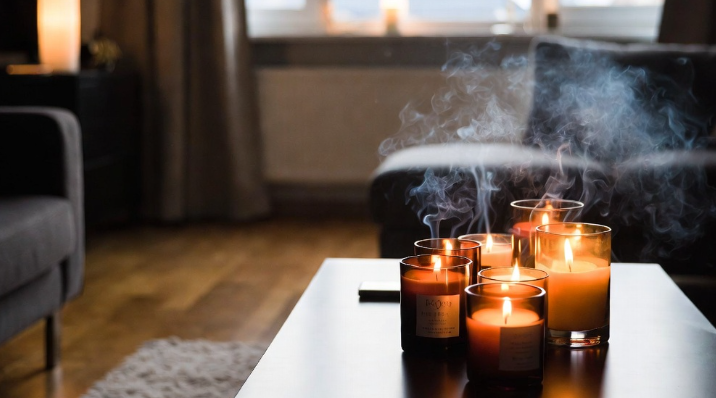
In poorly ventilated rooms, these substances can accumulate and increase exposure levels over time.
Researchers also observed that compounds released during candle combustion, including formaldehyde and other aromatic hydrocarbons, have been associated with irritation of the respiratory system.
Reported health effects
Exposure to emissions from scented candles has been linked to several short-term symptoms in some individuals, especially in enclosed indoor environments.
These may include headaches, dizziness, eye irritation, nasal congestion, and throat discomfort.
In cases of prolonged or frequent exposure, particularly where ventilation is limited, there may be increased concern over respiratory irritation and reduced indoor air quality.
Not all scented candles are the same. The type of wax, fragrance composition, and manufacturing quality can significantly influence the level of emissions released during burning.

Candles made from paraffin wax and synthetic fragrances are more likely to produce higher levels of chemical emissions compared to alternatives such as beeswax or soy-based candles with natural essential oils.
The study emphasises that ventilation plays a key role in reducing potential risks. Burning candles in closed or poorly ventilated rooms can lead to a buildup of airborne pollutants.
Simple measures such as opening windows, limiting burn time, and avoiding prolonged use in enclosed spaces can help reduce exposure.