Advertisement
Why some long-time couples tend to look alike
11th May, 2026 03:45 PM
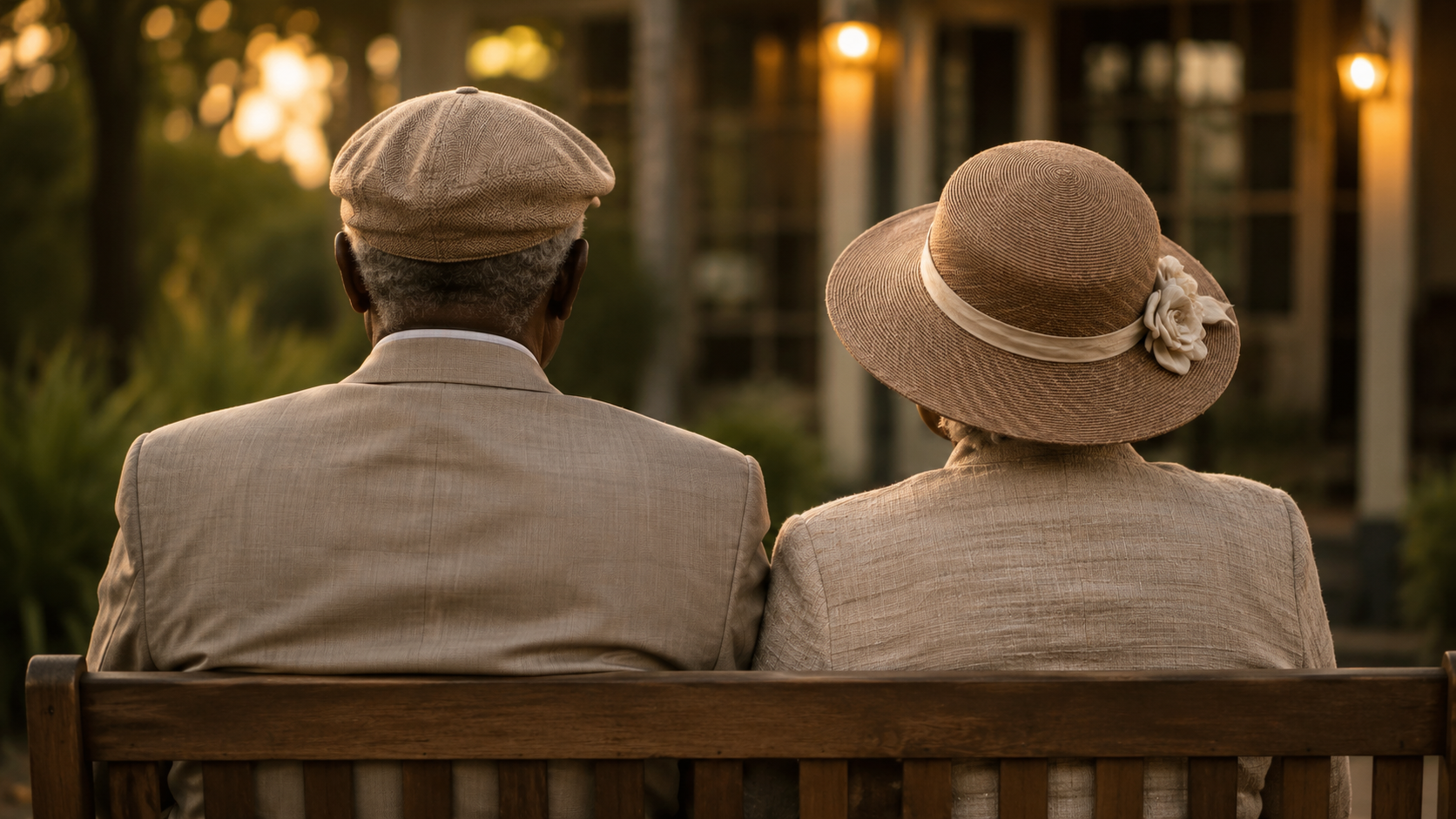
Love changes more than emotions. Over years of shared laughter, some couples begin developing similarities so noticeable that strangers sometimes mistake them for siblings.
The resemblance may appear in smiles, walking styles, facial expressions, voice tones, body posture, or even the way both raise their hands while telling stories.
Science says the phenomenon is partly real. But researchers also say the answer is more layered than people assume.
Some couples already resemble each other before falling in love.
Others slowly mirror each other through years of emotional synchronization, shared lifestyles, and repeated facial expressions.
The human brain, deeply social by design, quietly absorbs habits from the people it lives beside longest.

And over time, the body begins carrying traces of that closeness.
Research found couples may become visually similar over time
One of the most famous studies on the subject was conducted by psychologist Robert Zajonc and colleagues in 1987.
The researchers examined photographs of married couples taken at the beginning of marriage and then decades later.
According to the study titled “Convergence in the Physical Appearance of Spouses,” couples appeared more physically similar after many years together than they did earlier in marriage.
The researchers suggested that emotional mimicry may partly explain the resemblance.
When couples repeatedly share emotions over many years, they often mirror each other’s facial expressions unconsciously.
Smiles, frowns, eyebrow movements, laughter patterns, and tension responses slowly shape facial muscles and wrinkle patterns in similar ways.
In a 2021 analysis published by Psychology Today, family therapist Jason Whiting explained that “lovers look at each other and empathize together for years, mimicking and reflecting what they see.”
That reflection may sound poetic, but neuroscientists say the brain is naturally built for imitation.
The brain constantly mirrors people it feels connected to
Human beings are social imitators.
Researchers studying mirror neurons have found that the brain automatically responds to other people’s actions and emotions by internally simulating them. This mechanism helps humans learn empathy, emotional bonding, and social coordination.
When two people spend years together, the brain repeatedly observes the same gestures, speech rhythms, emotional reactions, and facial movements.
Slowly, imitation becomes unconscious habit.
One partner begins folding arms like the other. Another copies certain phrases unknowingly. Walking speed changes. Head tilts match. Even laughter timing may synchronize.
In the Psychology Today analysis published in December 2021, researchers noted that empathic mimicry may cause long term couples to develop similar facial musculature and aging patterns through years of shared emotional expressions.
The resemblance is not always about identical faces. Sometimes it lives inside movement.
The same hand gestures during conversations. The same shoulder posture while walking. The same style of smiling before speaking. Love teaches the body repetition.
Shared lifestyles slowly shape couples physically
Researchers also point to environmental similarity.
Long term couples often eat similar foods, sleep at similar times, experience similar stress levels, and share the same climate, routines, and physical activities. Over years, those shared conditions can influence body weight, skin texture, fitness levels, and aging patterns.
According to the TIME report published in 2023, a large study involving hundreds of relationship traits found that couples tend to share similarities in lifestyle, beliefs, education, habits, and even health related behaviours.
If two people spend decades under the same sunlight, eating similar diets, sleeping beside each other, and navigating identical emotional pressures, traces of those experiences may slowly appear on the body.
What science says about looking alike
Not all researchers agree that couples become dramatically more alike after marriage.
A 2018 study published in PLOS One questioned whether facial resemblance increases significantly over time.
Researchers found evidence that couples already shared similarities from the beginning of relationships.
Later discussions surrounding additional studies suggested that people may subconsciously choose partners with familiar features rather than transforming heavily afterward.
In a 2019 TIME feature, social psychologist Justin Lehmiller explained that familiarity strongly influences attraction.
“What is familiar to us tends to be what we like and are drawn to,” Lehmiller told TIME.
Researchers believe people may unconsciously prefer partners with similar facial symmetry, ethnic backgrounds, eye shapes, or personality signals reflected in appearance.
The attraction begins with resemblance long before aging adds further layers to it.
Emotional synchronization
The connection between long term couples goes beyond appearance alone.
Studies cited by Jason Whiting in Psychology Today found that emotionally connected people may synchronize physiologically.
Researchers observed synchronized heart rates among closely bonded individuals during emotional experiences.
The article also noted that positive emotional connection can influence oxytocin activity and nervous system responses.
Over years, emotional synchronization may subtly shape behaviour, facial tension, stress patterns, and communication habits.