Why some Kenyans still choose illegal alcohol despite knowing the risks
By Trizer Lijondo, September 24, 2026Despite knowing the risks linked to illegal alcohol, some Kenyans continue to consume it, raising questions about what keeps these products attractive. For many consumers, the decision is influenced by practical and social factors, including affordability, accessibility, peer pressure and the belief that they get better value for their money.
It is cheaper
Price is one of the main reasons some consumers turn to illegal alcohol. Unlike licensed products, illicit drinks can bypass taxes, licensing requirements and other costs, allowing sellers to offer them at lower prices.
For consumers working with limited budgets, the cheaper options can appear more attractive, particularly when drinking is part of their regular social routine. The lower prices can also allow someone to buy more alcohol for the same amount they would spend on a smaller quantity of a legal product.
This makes affordability a powerful factor, especially for consumers who prioritise the immediate cost over concerns about where the drink came from.
It is easily available
Accessibility can also influence the choice. Illegal alcohol can be found through informal sellers, unlicensed drinking spots and other outlets within local communities.
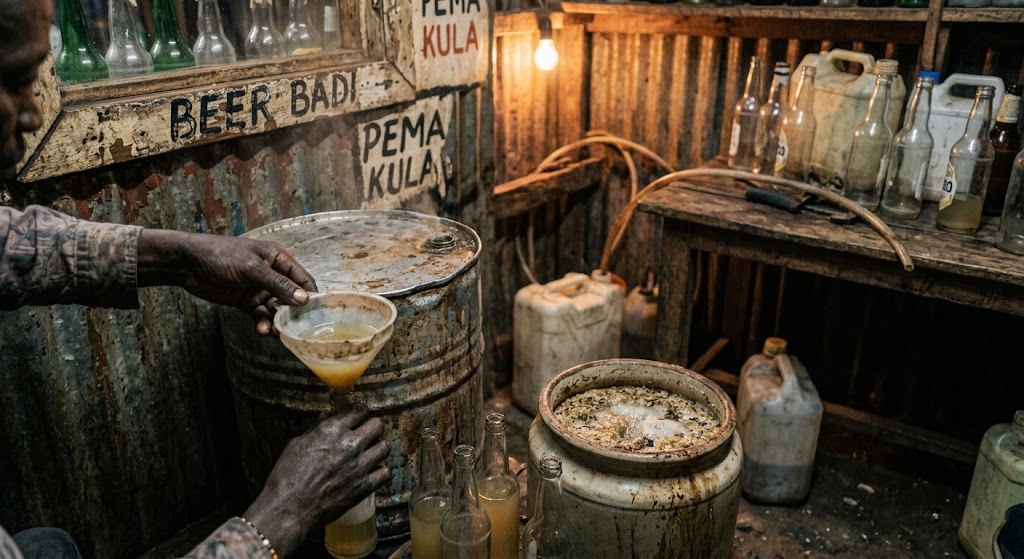
For some consumers, convenience means they do not have to travel far or visit established liquor stores to get a drink. In areas where certain sellers are well known, regular customers may also become familiar with particular outlets and continue buying from them.
That familiarity can create a sense of trust, even when the product has not gone through the same regulatory checks as legally produced alcohol.
Peer pressure and perceived value
Social circles can further shape drinking habits. Some people may start consuming illegal alcohol because friends, colleagues or neighbours already buy it. Being part of the group can make questioning the source of the drink less likely.
There is also a perception among some consumers that cheaper alcohol can deliver a stronger effect for less money. For someone primarily interested in the feeling of being drunk, this can make an inexpensive drink seem like better value.

Others may choose locally made brews because they are familiar with them or have consumed them before without experiencing an immediate problem.
Ultimately, awareness of the risks does not always determine consumer behaviour. Price, availability, social influence, familiarity and perceived value can all play a role in why some Kenyans continue choosing illegal alcohol.