Why some beer drinkers become louder after a few bottles
By David Nthua, April 29, 2026It often starts quietly. One bottle in, the conversation is normal. 2 bottles later, laughter grows.
By the third or fourth, one person may be talking across the room, repeating stories, interrupting others or singing without invitation.
Many people see that as simple fun or personality. However, health experts say alcohol can directly affect the brain systems responsible for judgment, self-control and awareness.
That is why some drinkers become louder than usual after several bottles.
What changes in the brain
Alcohol acts on the central nervous system. As more is consumed, the parts of the brain involved in impulse control and decision-making can become less effective.
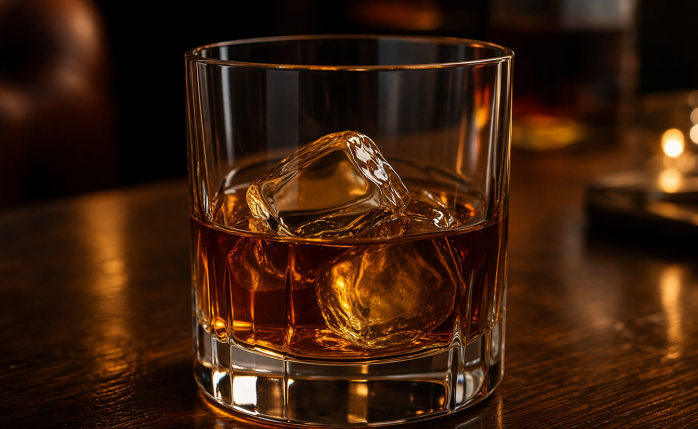
In simple terms, the “internal brake” that normally tells a person to lower their voice, stop oversharing or respect boundaries may weaken.
That is why someone who is usually calm may suddenly appear bolder, noisier or more dramatic after drinking. What feels like confidence can actually be reduced inhibition.
Speaking during Kenya’s International Day Against Drug Abuse event in Embu in June 2025, NACADA Board Chair Stephen Mairori said prevention remains one of the most sustainable ways to address alcohol and drug harm, adding that educating families and young people helps stop addiction before it starts.
His remarks reflected growing concern that alcohol changes behaviour long before addiction is visible.
Why loudness is not always harmless
Being louder after drinking is not always a sign of happiness. Reduced self-control can also make some people more emotional, impatient or confrontational.
That helps explain why some nights begin with laughter but end in arguments, insults or reckless decisions. Once judgment drops, small disagreements may feel bigger than they really are.
Kenya’s 2025 National Policy for the Prevention, Management and Control of Alcohol, Drugs and Substance Abuse noted that harmful alcohol use damages families, communities and productivity, showing the effects are social as well as medical.
The policy was officially launched on Wednesday, July 30, 2025.
Why doesn’t everyone react the same?
Not every drinker becomes loud. Reactions differ depending on body size, how fast alcohol is consumed, whether food was eaten, stress levels, sleep, mood and personality.
Someone drinking quickly on an empty stomach may feel stronger effects faster than someone drinking slowly with a meal.
A naturally outgoing person may become even more expressive, while another may become quiet or sleepy.
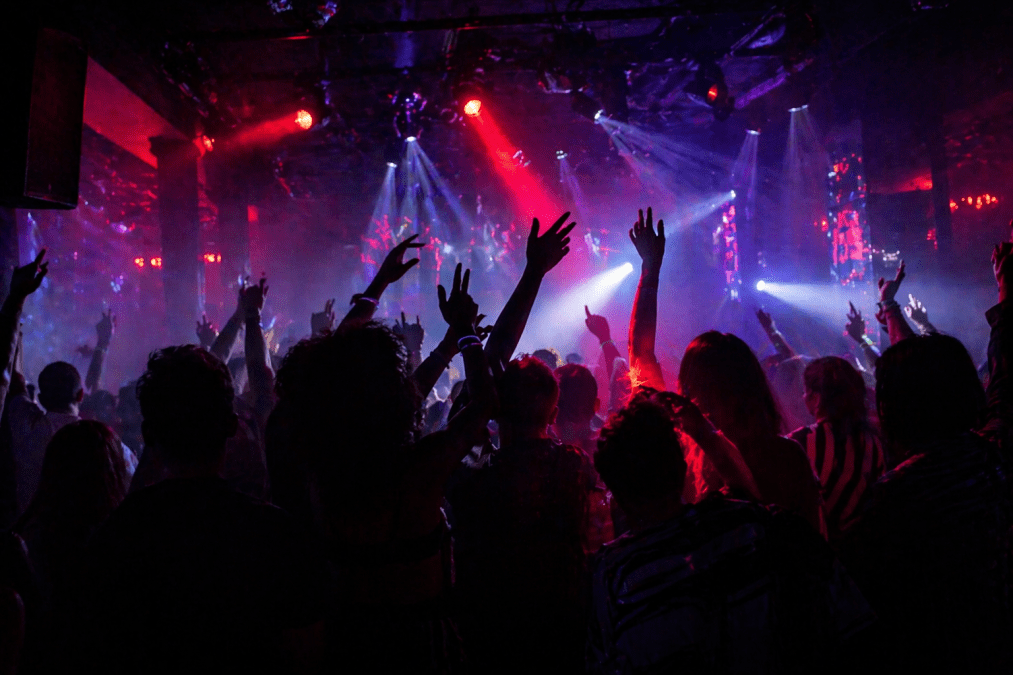
The environment matters too. In bars, clubs or crowded gatherings, people already raise their voices to be heard. Once alcohol lowers self-monitoring, that louder tone may continue beyond what is necessary.
Kenya’s public health warning
NACADA has repeatedly linked alcohol misuse to poor decisions, family strain, risky behaviour and health harm. In its recent public campaigns, the authority has urged parents, schools and communities to focus on prevention and early intervention rather than waiting for damage to grow.
The World Health Organisation has also consistently warned that harmful alcohol use contributes to injuries, disease, violence and deaths worldwide.
The bigger message
Becoming louder after a few bottles may look harmless in the moment, but it can be an early sign that alcohol is already affecting the brain.
What feels like boldness may actually be reduced control. If someone regularly becomes disruptive, aggressive or unlike themselves after drinking, the issue may not be noise alone.
It may be how alcohol is affecting behaviour and judgment.