Why Pneumonia is still the leading cause of child deaths globally
By Katemarthason Okudo, April 30, 2026Pneumonia remains one of the most dangerous yet preventable diseases affecting children worldwide. Despite advances in medicine, the infection continues to take a heavy toll, especially in low- and middle-income countries where access to healthcare and vaccines can be limited.
In a statement released on Thursday, April 30, 2026, according to the World Health Organization (WHO), pneumonia is currently the leading infectious cause of death among children. The global health body revealed the scale of the crisis, noting that “every 43 seconds a child dies” from pneumonia. This statistic highlights a disease that often starts as a common respiratory infection but can quickly turn fatal if not treated in time.
Pneumonia is an infection that inflames the air sacs in one or both lungs. It can be caused by bacteria, viruses, or fungi, but in children, bacterial infections are among the most severe. The most common ones are Haemophilus influenzae type b (Hib) and pneumococcus bacteria. These pathogens not only cause pneumonia but are also linked to other serious conditions such as meningitis.
WHO said the symptoms can sometimes be mistaken for a mild illness. A child may start with a cough, fever, and difficulty breathing. However, as the infection progresses, it can lead to chest pain, fatigue, and reduced oxygen levels in the blood. Without prompt medical care, these complications can become life-threatening.
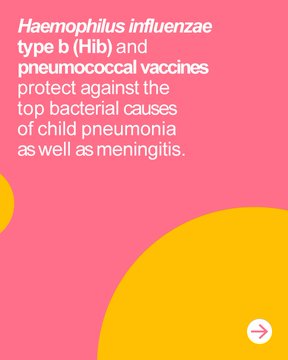
The good news, however, is that pneumonia is largely preventable. Vaccination has proven to be one of the most effective tools in reducing the burden of the disease.“Haemophilus influenzae type b (Hib) and pneumococcal vaccines protect against the top bacterial causes of child pneumonia as well as meningitis.” WHO stated.
These vaccines are part of routine immunization programmes in many countries, including Kenya, and have significantly reduced child mortality rates over the years. Still, gaps remain, particularly in rural areas where awareness and access may be limited.
Beyond pneumonia, vaccines continue to play a broader role in protecting public health. WHO points out that newer vaccines are now tackling diseases that once caused widespread outbreaks. “Today, newer vaccines against malaria, HPV, cholera, dengue, meningitis, RSV, Ebola, and mpox are saving even more lives, and these advancements are helping people live longer and healthier,” the organization stated.
The World Health Organization advises parents to stay alert to pneumonia symptoms and ensure children receive all recommended vaccines on schedule. Simple practices such as proper nutrition, breastfeeding, and reducing indoor air pollution can also lower the risk of infection.
While pneumonia continues to pose a serious threat, with consistent vaccination and early treatment, many of these deaths can be prevented, giving more children a chance to grow, thrive, and live healthy lives.