Advertisement
Why people who cook at home are outliving those who eat out everyday
07th May, 2026 12:57 PM
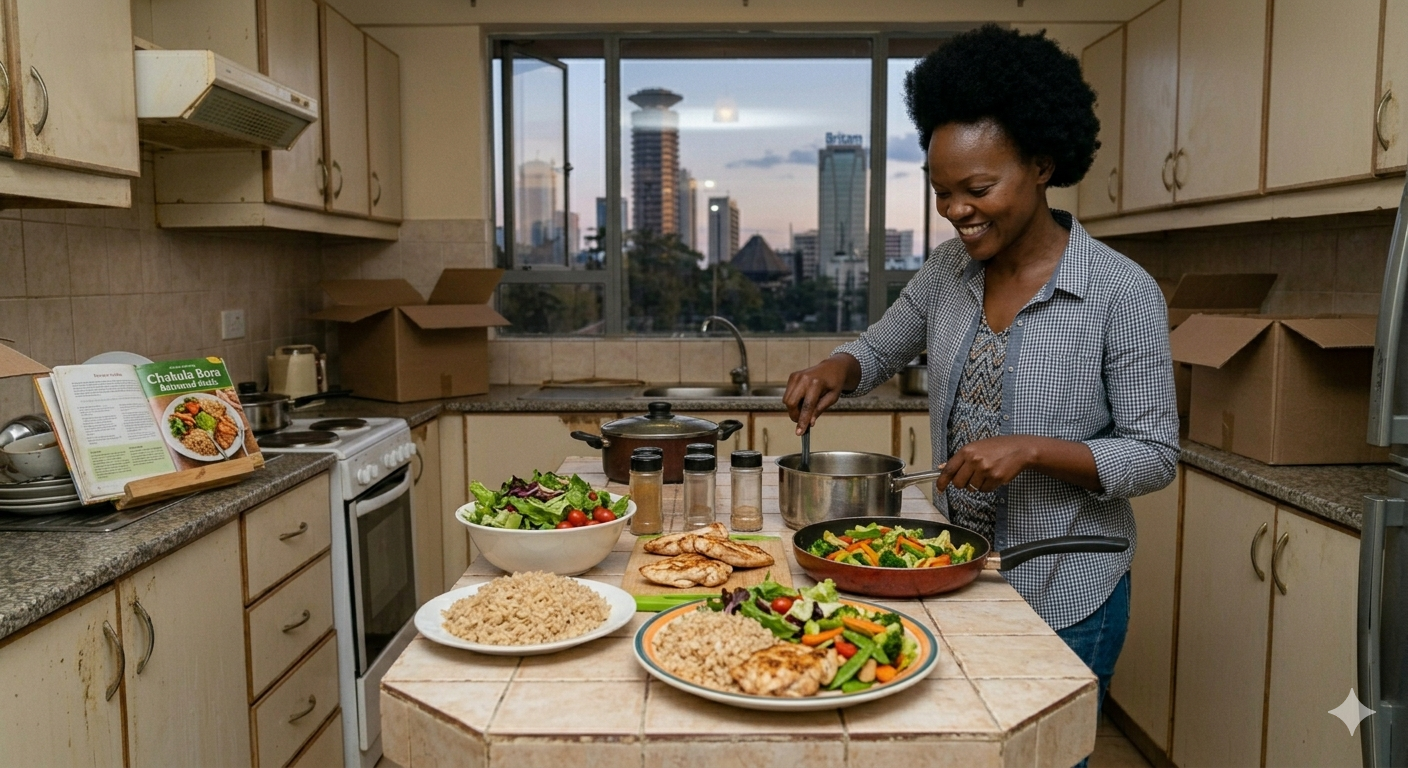
There is a growing conversation around lifestyle habits and how they shape long-term health, with one of the most talked-about being food choices.
For example, nowadays it is very common for families to eat out daily due to busy schedules, convenience, and the availability of services that easily deliver food from many fast-food restaurants. At the same time, medical specialists continue to draw attention to a particular trend whereby those who regularly cook food themselves are healthier than those who eat out more often.
Control over ingredients
One of the main reasons behind this is control over ingredients. When cooking at home, individuals decide what goes into their meals, including the amount of salt, sugar, and oil. This helps reduce the intake of excess sodium and unhealthy fats, which are commonly found in processed and restaurant foods.
According to the World Health Organization (WHO), over time, excessive consumption of these ingredients has been associated with lifestyle diseases such as high blood pressure, diabetes, and heart-related complications.
Portion control is another key factor. Restaurant servings are often larger than what the body actually needs, leading to overeating without realizing it. At home, meals are usually prepared in more controlled portions, making it easier to manage calorie intake and maintain a balanced diet, as highlighted in nutrition research from Willow Health Media.

Cooking at home also encourages a more diverse and balanced diet. People are more likely to include vegetables, whole grains, and fresh ingredients when preparing their own meals. On the other hand, eating out frequently often leads to repetitive consumption of fried foods, sugary drinks, and processed snacks, which may lack essential nutrients.
The Mayo Clinic noted that consistent poor dietary patterns increase the risk of lifestyle-related illnesses over time.
Beyond physical health, home cooking has been linked to improved mental well-being. Preparing meals can be a mindful activity that reduces stress and creates a sense of routine. It can also strengthen family connections when meals are shared together, something that is often missing in fast-paced eating habits.
Financially, home-cooked meals are generally more affordable in the long run. Eating out regularly can strain budgets, leading to less investment in quality nutrition. This indirect effect also plays a role in long-term health, as financial stress is known to impact overall well-being.
Is it okay to still eat outside?
However, experts also note that eating out occasionally is not harmful when done in moderation and with mindful choices. The concern arises when it becomes a daily habit, replacing balanced home-prepared meals.