Why Nairobi’s flooding problem is also a lifestyle problem
By Dan Kauna, May 1, 2026Kenya’s roads have done it again.
In early March 2026, and April 2026, a single night of heavy rain was enough to turn one of Nairobi’s busiest corridors into a fast-moving river, with vehicles swept off course, hundreds of commuters stranded for hours, and a city once again paralysed by water.
It was not an isolated incident. Kenyatta Avenue, Uhuru Highway, Ngong Road, Thika Road, and Westlands were all affected, with water levels rising rapidly and making movement dangerous for pedestrians and motorists alike.
More than 100 lives have been lost nationally since the long rains began, and the Kenya Meteorological Department has made clear the downpours are not letting up.
It is, increasingly, a lifestyle problem – one that affects where you go, how you move, what happens inside your home, and how you feel.
Here is what you can do about it.
Flood-proof your home before it is too late
The good news is that you do not need a major renovation to give your home a fighting chance against the rains. A few habits and inexpensive fixes make a real difference.
Start with your drains.
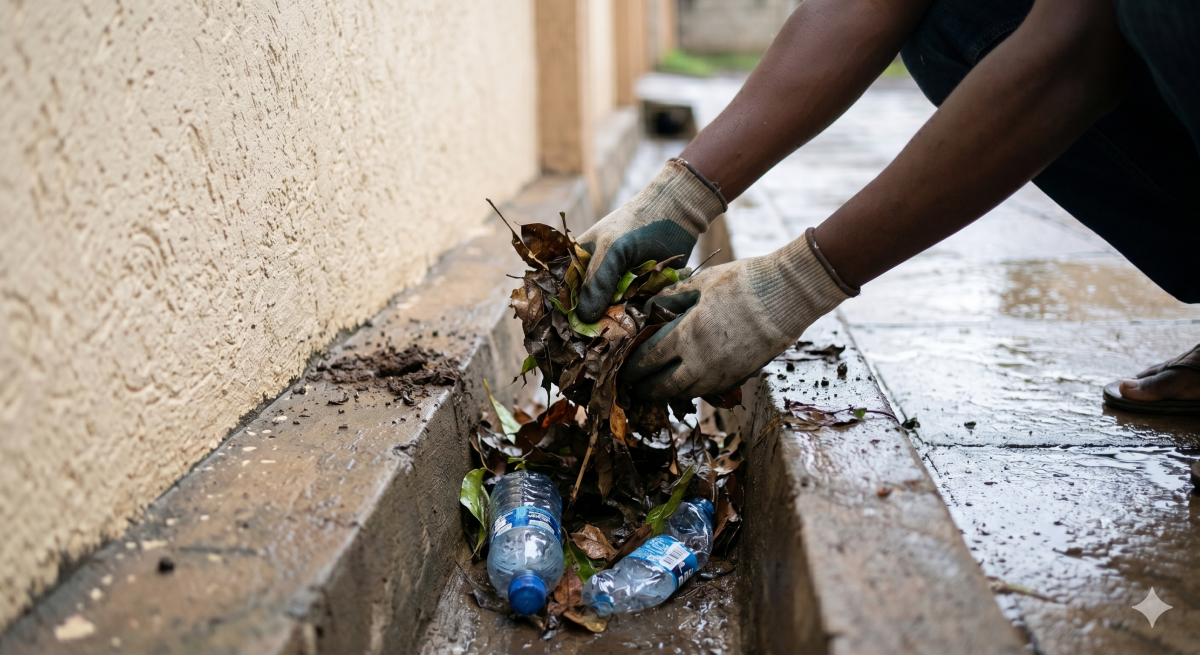
Clogged gutters and outdoor drains are among the most common reasons floodwater ends up inside homes. Clear them of leaves, soil, and plastic waste at least twice a month during the rainy season, and check again after any heavy downpour. If water is pooling near your walls, have a plumber check whether your drainage gradient is correctly aligned.
Next, think about your electrics. In flood-prone neighbourhoods, homeowners are advised to raise power sockets, switches, and essential appliances above potential flood levels, and to store electronics, documents, and other valuables on upper shelves or higher floors.
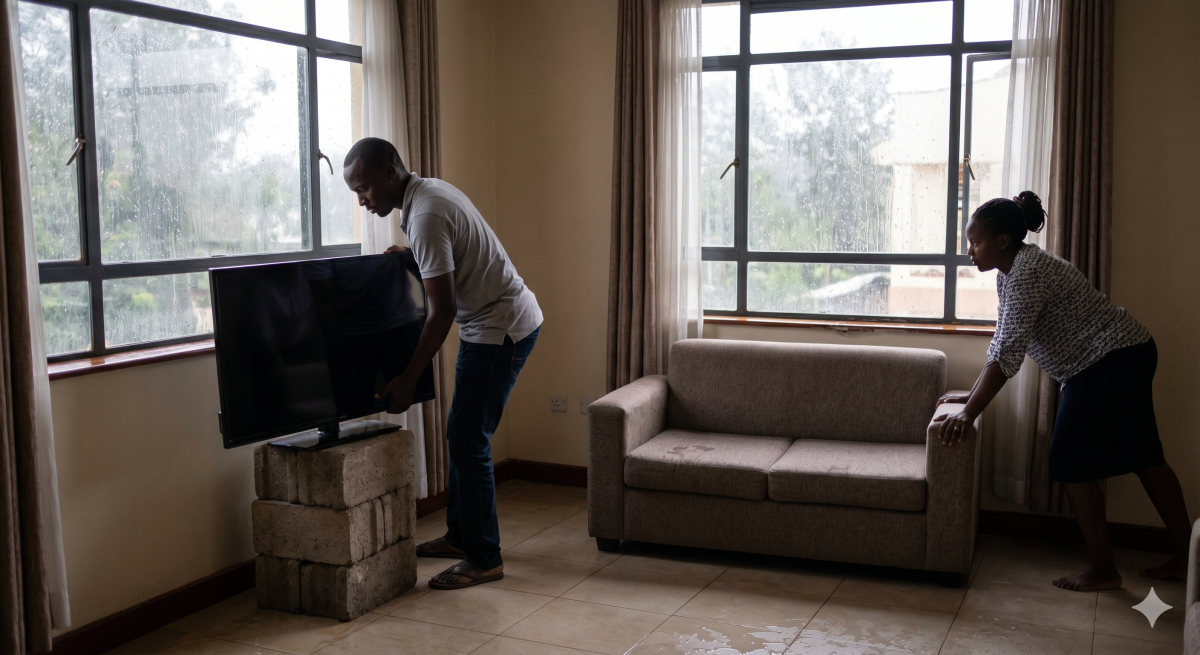
Installing a residual current circuit breaker (RCCB) (available at most hardware stores) can automatically cut power if water reaches dangerous levels, reducing the risk of electrocution. Bear in mind that floodwaters in Nairobi City often carry sewage and other contaminants, so keep children away from pooled water entirely.
Finally, go green where you can.
Instead of paving your entire compound, leaving green spaces where water can soak into the soil helps reduce surface runoff. It is a simple change that costs nothing and quietly works every time it rains.
Manage your commute and your mental state
The flooding of Mombasa Road and Uhuru Highway in March 2026 triggered gridlock across the capital.
Matatu operators hiked fares, some routes were scrapped entirely, and commuters spent hours waiting in the rain.
Until that changes, reorganise your day around the rain. Check the Kenya Meteorological Department’s forecasts each morning and build extra time into your schedule on heavy-rain days.
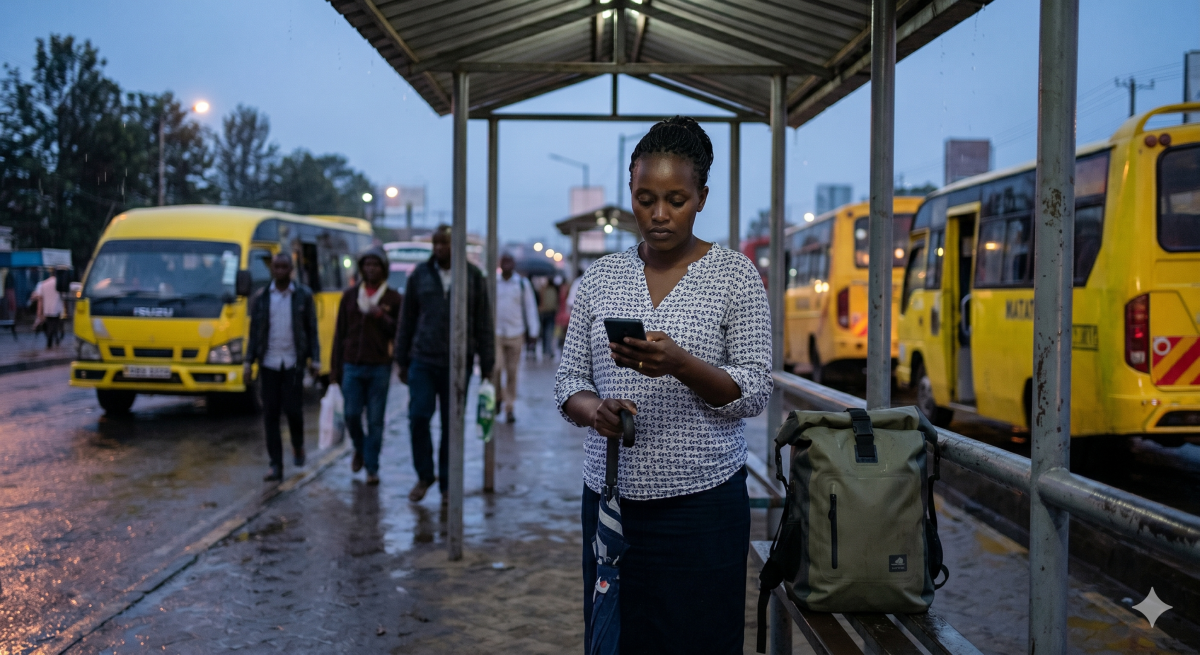
If you drive, slow down, keep your headlights on, and never attempt to cross flooded bridges, roads, or open drainages. Just six inches of fast-moving water can sweep you off your feet. If you use public transport, identify alternative routes in advance so you are not caught out when your usual matatu stops running.
The mental toll of all this tends to go unspoken. Repeated disruption, delayed commutes, anxiety about whether your home will flood, and the financial stress of water damage add up quickly.
Talking to someone you trust helps. So does building a small emergency plan; knowing where your important documents are, having an essentials bag ready, and agreeing with your household on what to do if things get serious.