Why Kenyans are sleeping less and its impact on their health
By Dan Kauna, April 29, 2026Long before the alarm goes off, millions of Kenyans are already behind on sleep.
The 5 am matatu. The side hustle that runs past midnight. The phone screen glowing long after everything else has gone quiet. For millions of Kenyans, the day starts and ends the same way: tired.
Sleep experts and recent research suggest this is no longer just a personal struggle. It is becoming a public health problem.
What the numbers say
A 2025 study published in BMC Women’s Health surveyed 800 women living in Mathare and Kibera. Nearly three in ten, 29 per cent, met the criteria for poor-quality sleep. Stress came out as the main contributing factor, with childcare demands, financial instability, physical health problems and grief also playing a significant role.
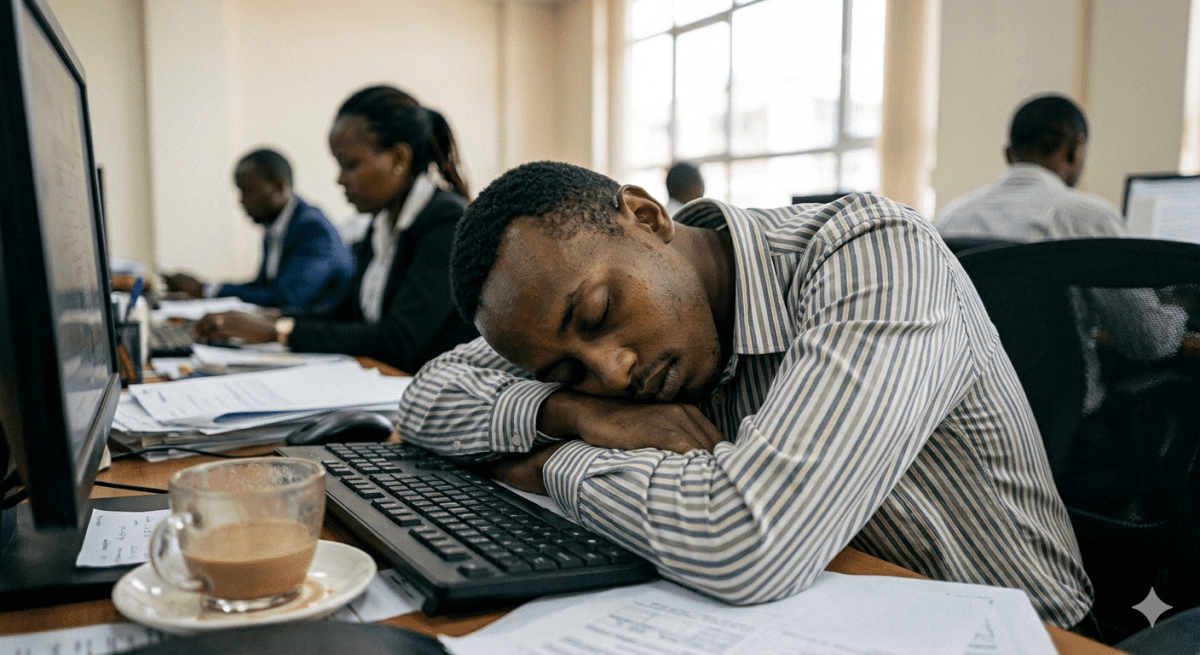
Among university students, the picture is equally troubling. Research conducted at the University of Nairobi found that nearly 70 per cent of undergraduate medical students had poor sleep quality, with many caught in a cycle of cutting sleep to manage rising workloads.
Globally, the 2026 ResMed Global Sleep Survey found that more than half of adults get genuinely restorative sleep fewer than four nights a week, with stress, work pressure and screen use named as the biggest barriers. Kenya sits firmly in that pattern.
Why Kenyans are losing sleep
The causes here are a mix of economics, infrastructure and habit.
Nairobi’s traffic means many workers leave home before sunrise and return well after dark. Side hustles have become a necessity for many households, eating into time that should go to rest. Financial stress and the high cost of living keep many people awake long after they have gone to bed.
Then there is the phone. Late-night scrolling is near-universal, and the blue light from screens interferes with melatonin, the hormone that signals to the body that it is time to sleep.
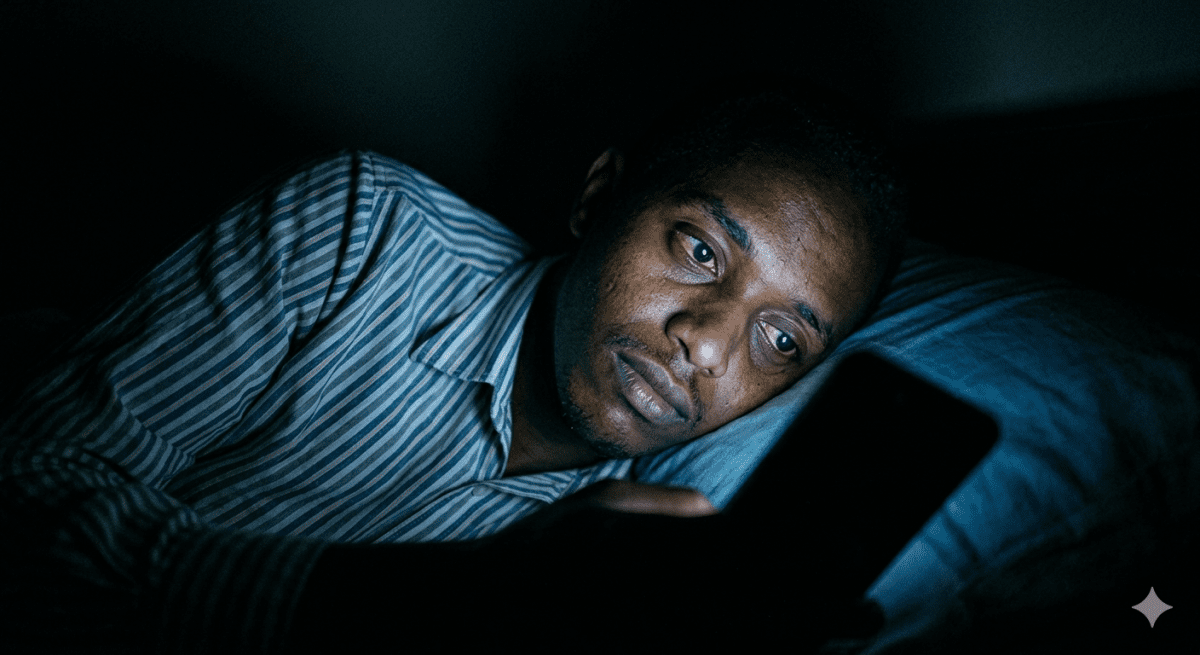
Chronic sleep deprivation can lead to deep depression, a weakened immune system and loss of appetite.
Beyond the mental toll, research shows that even one missed night of sleep can push the body into a pre-diabetic state, while long-term deprivation raises blood pressure and disrupts the hormones that control hunger.
What you can do about it
The good news is that sleep hygiene is largely free. Set a fixed bedtime and wake-up time, even on weekends. Put the phone away at least 30 minutes before bed. Avoid caffeine and heavy meals in the evening hours. Keep your sleeping space cool and as dark as possible.
For those dealing with persistent stress, slow breathing exercises before bed, a quiet inhale held for four counts then gently released, can calm the nervous system enough for sleep to follow.
If poor sleep has lasted longer than three weeks, it is worth seeing a doctor. Insomnia and sleep apnea are treatable conditions, but only once they are properly diagnosed.