Why fashion weeks are becoming less relevant, and what is replacing them
By Dan Kauna, May 8, 2026For most of the 20th century, the rhythm of global fashion was non-negotiable: twice a year, editors, buyers and stylists descended on New York, London, Milan and Paris to watch designers present their visions on a runway.
The shows were exclusive by design, and that exclusivity was the point. What happened on those catwalks determined what consumers would see in stores six months later.
That model is breaking down. Not all at once, but unmistakably, and the evidence is in where people are actually paying attention.
Today, a single TikTok post can ignite a trend before a designer has even taken a bow.
A well-timed Instagram drop by a mid-sized brand can generate more commercial momentum than a catwalk slot at London Fashion Week.
Academic researchers who reviewed nearly 500 studies on digital fashion found that information and communication technologies are now “utilised in communication activities to shape styles and trends”, a function that once belonged almost exclusively to the runway.
The feed is the new runway
When everyone with a smartphone can watch a collection in real time (or more often, watch a 15-second highlight reel of it) the insider mystique of Fashion Week evaporates.
What used to be the most powerful gatekeeping mechanism in style has become content, competing with everything else on a For You page.
Influencers now sit front row not just as guests but as the actual media. Their posts reach millions within the hour.
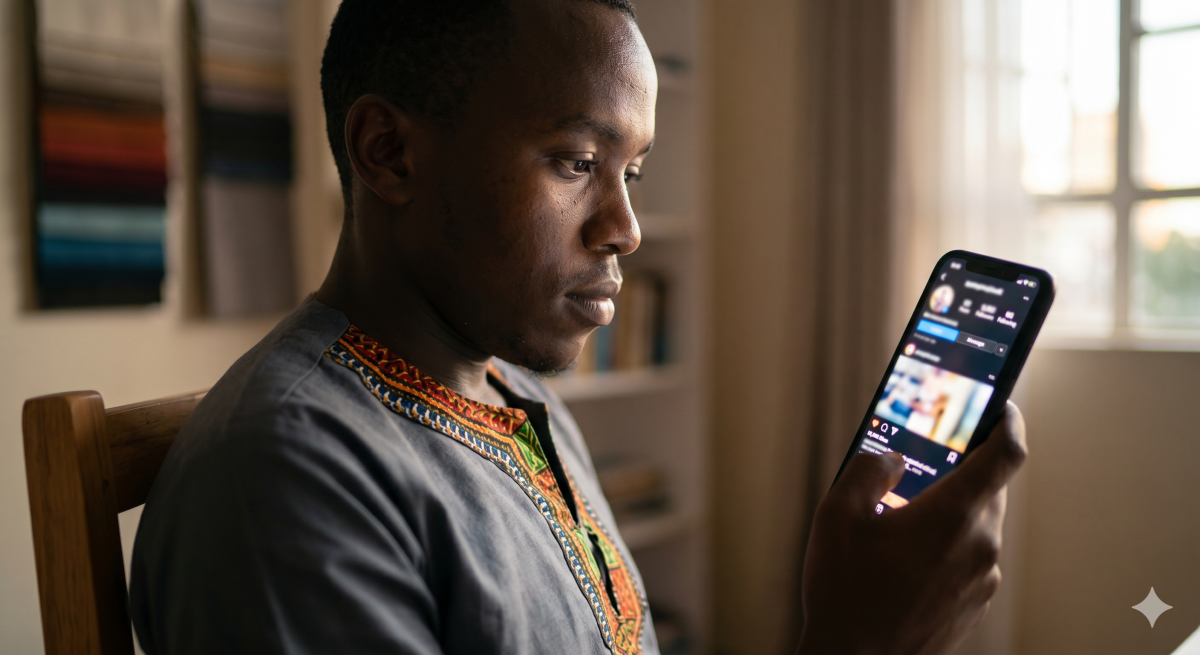
Brands have responded accordingly: many now design collections with the social media moment in mind rather than the editorial spread or the buyer’s order form.
As one review of the industry put it, “fashion trends and styles are launched, discussed and negotiated mainly in the digital arena” – a transformation so complete that the physical runway is increasingly just one node in a much larger, faster network.
For designers who cannot afford the cost of staging a runway show (which can run into the hundreds of thousands of dollars, millions of Kenyan shillings), this is not just a cultural shift; it is a structural relief.
Drops, DTC, and a new kind of consumer
The rise of direct-to-consumer drops has been equally disruptive to the traditional fashion calendar.
Rather than presenting a collection in February for delivery in September, brands and a wave of African and Kenyan-grown labels are releasing capsule collections when they are ready. Building hype, dropping limited stock and selling out within hours.
This “drop culture,” borrowed from streetwear and sneaker brands, puts urgency and scarcity back into fashion without requiring a slot on any official calendar.
Consumers do not wait six months for something they saw on a runway; they buy now or they miss out.
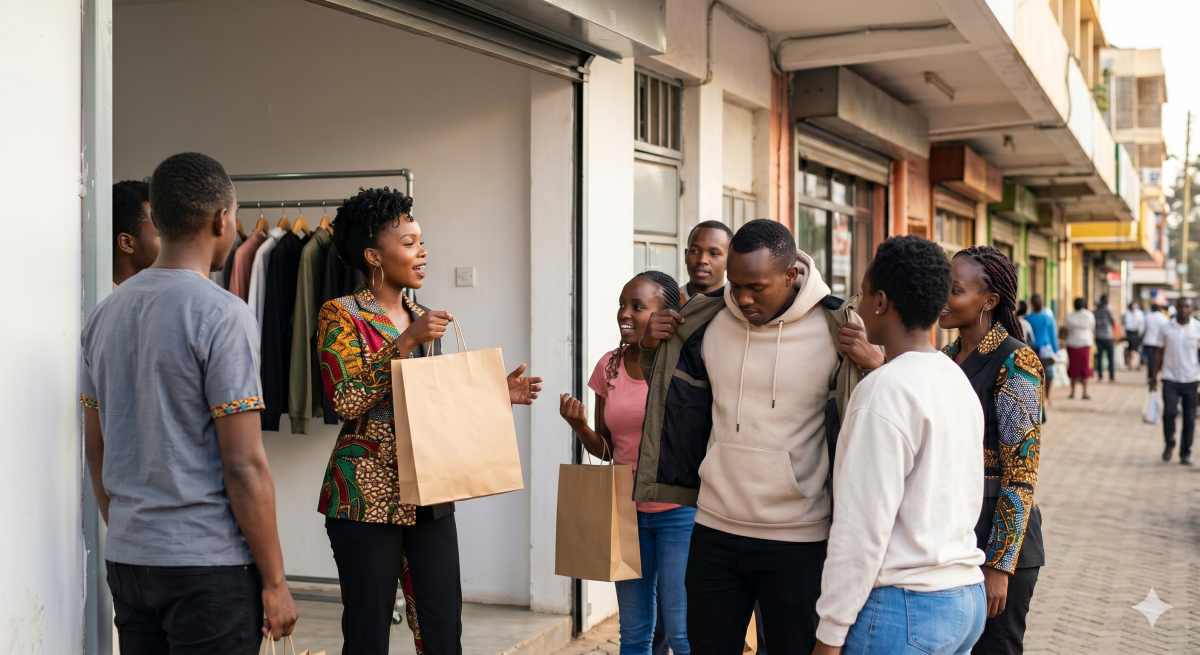
The buyer who once served as the critical intermediary between designer and consumer has been increasingly cut out of the equation.
For consumers, the shift is largely welcome. Access to new collections no longer requires living near a flagship store or reading a magazine six weeks after it was printed.
Fashion is faster, more responsive and, in principle, more democratic.
The traditional fashion week will not disappear entirely. The biggest houses still use the spectacle to enormous effect, and the cultural gravity of Paris or Milan can not be simply programmed away.
But the calendar no longer commands the whole conversation. The runway is still a stage. It is just not the only one.