Advertisement
Why breakups hurt physically, according to science
28th April, 2026 07:37 AM
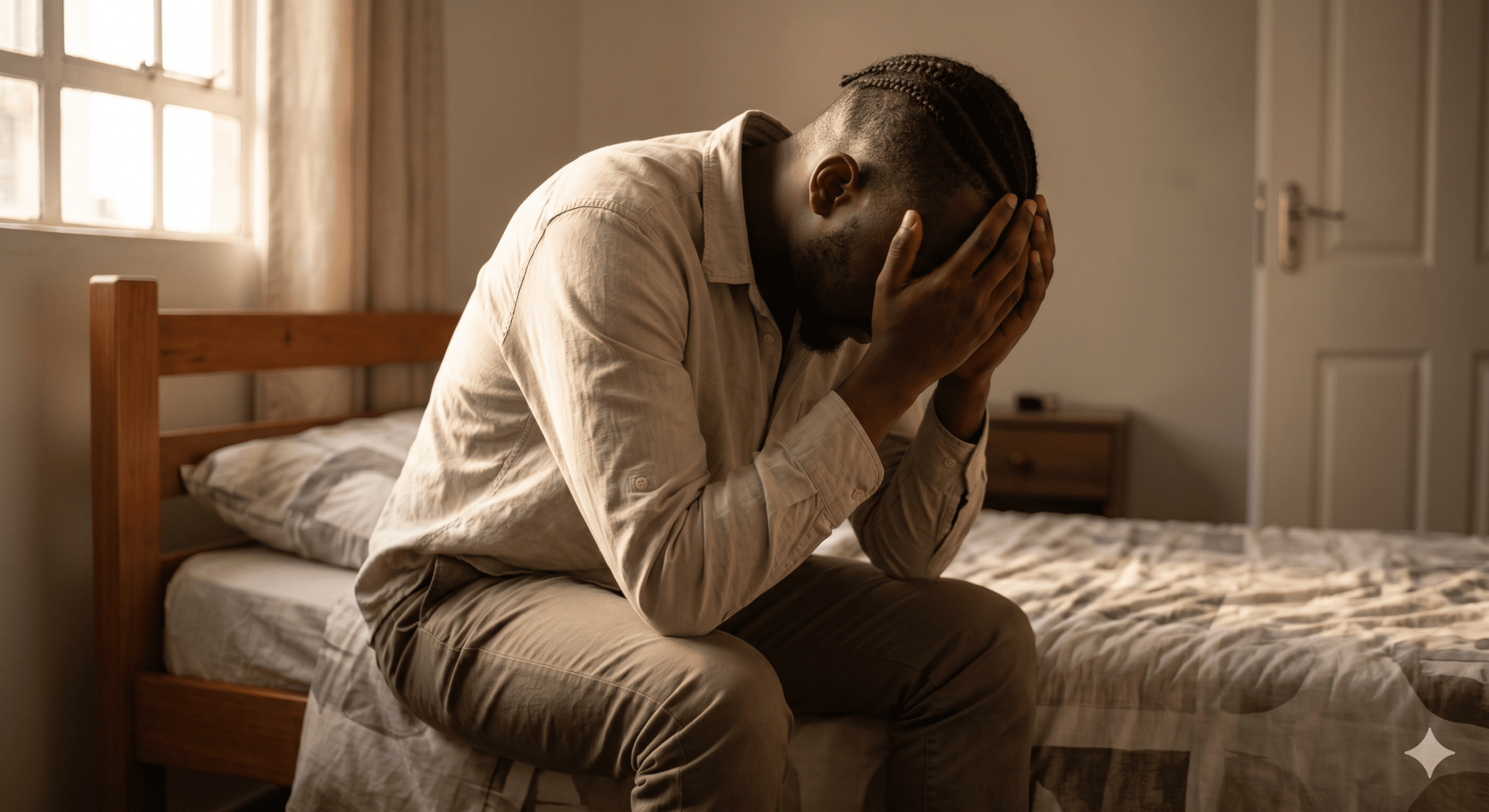
If you have ever gone through a bad breakup and felt a genuine ache in your chest, an upset stomach, or a heaviness that made it hard to get out of bed, you were not imagining things. Science confirms that the pain of heartbreak is as real as a physical wound, and your body reacts to it in almost exactly the same way.
Here is what is actually happening inside you:
Your brain cannot tell the difference
Brain-imaging research shows that social rejection activates the same regions of the brain involved in physical pain.
In a widely-cited study by researcher Ethan Kross and colleagues, published in the Proceedings of the National Academy of Sciences, participants who had recently been through an unwanted breakup had their brains scanned while looking at photos of their exes.

The regions that lit up (the secondary somatosensory cortex and the dorsal posterior insula) are the same ones that fire when you burn your hand or stub your toe.
The researchers, led by social psychologist Ethan Kross, put it plainly in their findings: “These results give new meaning to the idea that rejection ‘hurts.'”
In essence, the brain does not fundamentally distinguish between a broken heart and a broken bone in terms of the pain response.
That hollow feeling in your chest? It is your brain processing grief the same way it would process an injury.
Your body goes into survival mode
The physical symptoms go beyond brain activity.
When you experience the shock of a breakup, your brain perceives it as a significant threat, activating the stress response system – the same one that would fire if you encountered genuine danger. Your adrenal glands flood your body with stress hormones, including adrenaline and cortisol.

During the weeks that follow, cortisol levels remain elevated, keeping the body in a constant state of high alert.
This prolonged stress weakens the immune system, making you more susceptible to illness, which is why it is common to come down with a cold or feel run-down in the days after a relationship ends.
On top of that, when a relationship is disrupted, the brain reacts similarly to withdrawal from addiction.
The same chemicals – dopamine, oxytocin, and serotonin – that flooded your system when you were in love suddenly drop, triggering profound feelings of sadness and longing.
The brain, quite literally, is going through withdrawal.
Understanding this does not make the pain disappear, but it does make it make sense. Your body is responding to a real loss in the only language it knows. Give it time, and give yourself grace.