Why a 4GB RAM phone can be faster than a 12GB RAM phone
By David Nthua, May 11, 2026Many smartphone buyers make the same mistake when choosing a new device. They look at RAM first.
A phone with 12GB RAM appears more powerful than one with only 4GB RAM, so it feels logical to assume the larger number guarantees better performance.
Marketing often reinforces this belief, pushing memory size as if it were the ultimate measure of speed.
But in reality, smartphone performance is far more complex.
A 4GB RAM phone can sometimes feel smoother, faster, and more responsive than a 12GB RAM phone, especially during everyday tasks like opening apps, scrolling through social media, gaming, or switching between multiple applications.
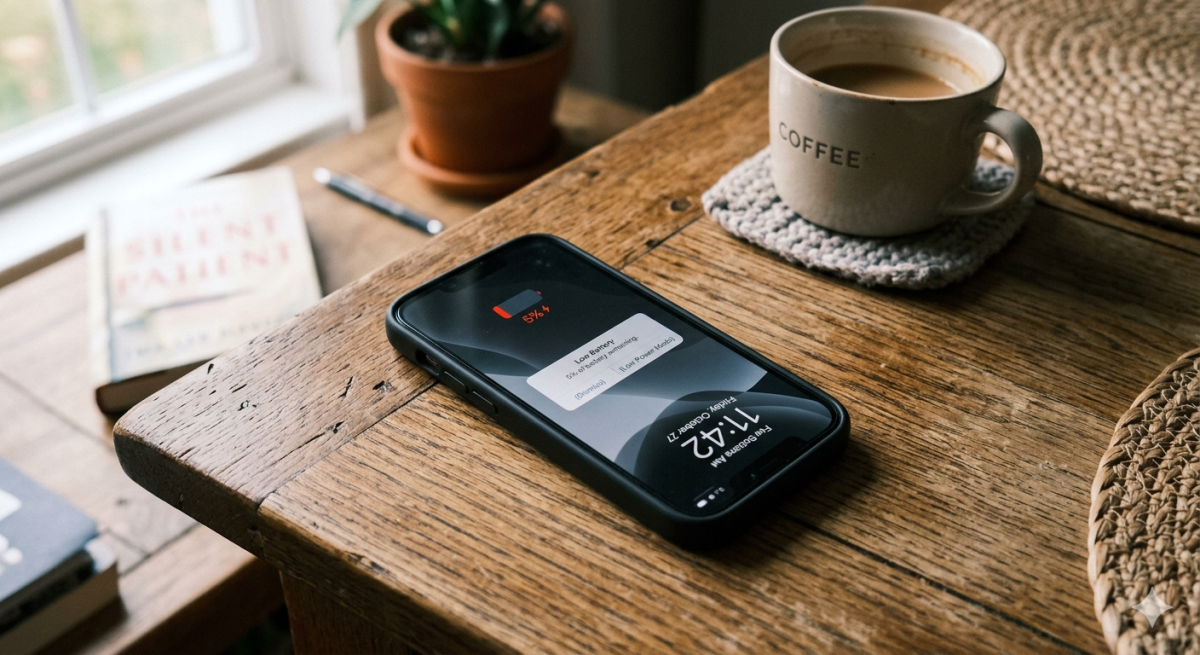
The reason is simple. RAM is only one piece of a much larger machine.
A phone’s actual speed depends heavily on the processor, screen refresh rate, RAM technology, storage speed, and how well the software has been optimized to make all these parts work together.
A bigger RAM number may look impressive on paper, but paper does not always reflect real world experience.
RAM does not create speed on its own
RAM, which stands for Random Access Memory, acts as temporary working space for your phone.
Whenever you open an app, watch a video, or browse several tabs online, your phone stores that active information in RAM so it can be accessed quickly.
The more RAM a phone has, the more apps it can usually keep open in the background without needing to reload them.
This is where many people misunderstand performance.
Having 12GB RAM mainly helps a phone hold more tasks at once.
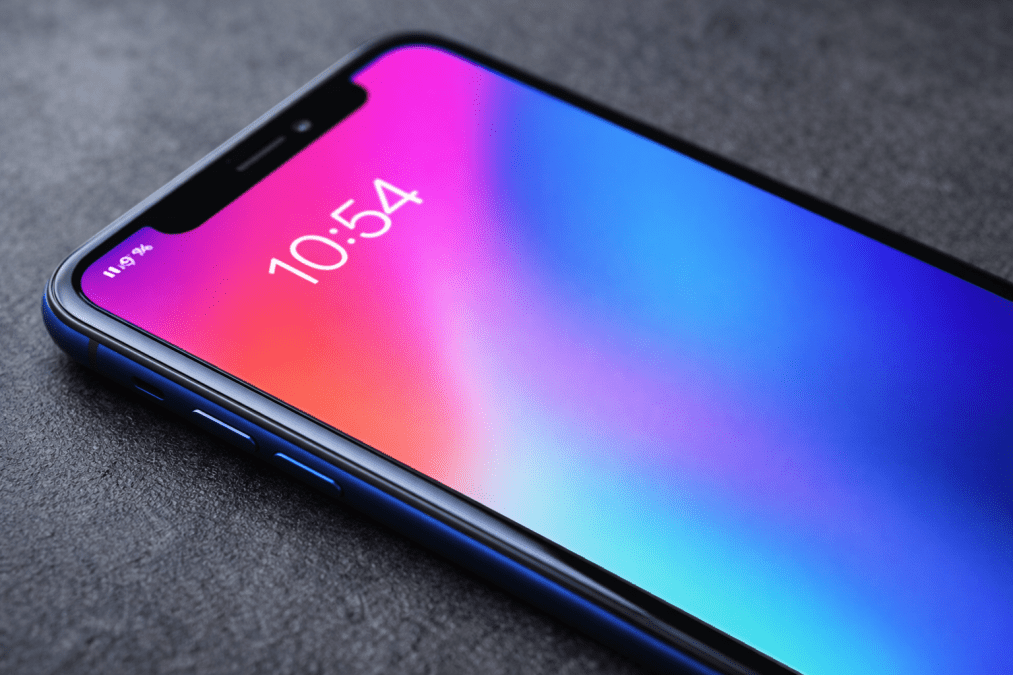
It does not automatically make the phone think faster, process information better, or render graphics more smoothly.
A 4GB RAM phone may reload apps slightly sooner than a 12GB device, but if its processor is stronger and its software is better optimized, it can still feel much faster during actual use.
RAM supports performance, but it does not control it.
Why processor?
The processor is often the most important part of a smartphone when it comes to speed.
It is the brain responsible for calculations, app launches, gaming performance, image processing, battery efficiency, and overall responsiveness.
A powerful processor can make even a lower RAM phone feel premium.
This is why a 4GB RAM phone with a high quality Snapdragon processor may outperform a 12GB RAM phone powered by a weaker entry level chipset.
For example, many budget phones use lower end MediaTek Helio processors designed mainly for affordability.
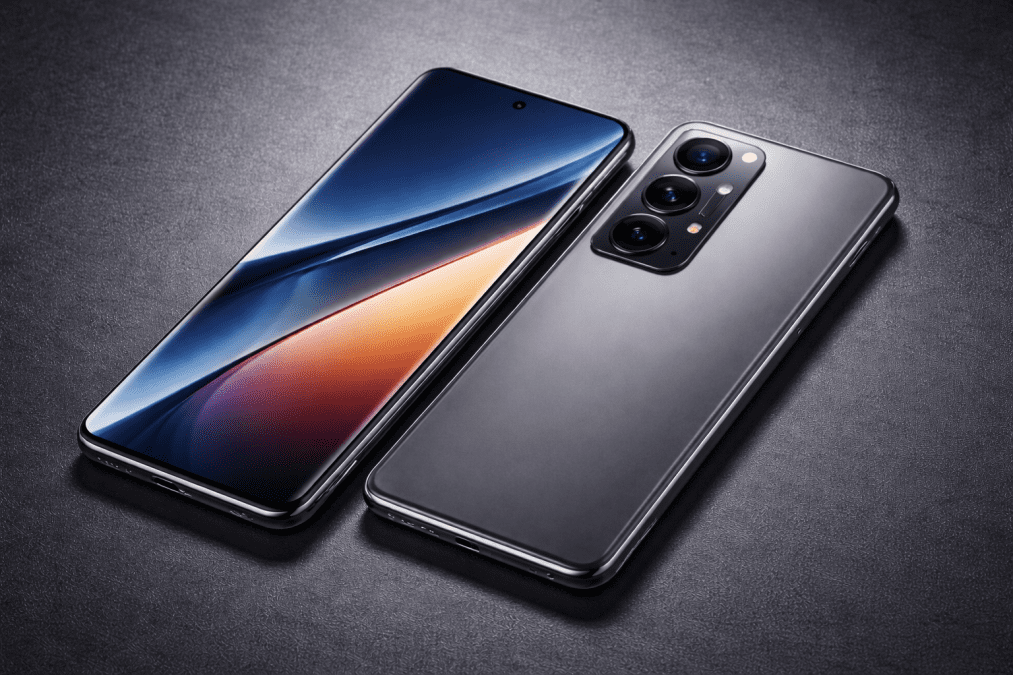
These chips can handle basic tasks well, but they may struggle under heavier workloads such as gaming, multitasking, or demanding camera functions.
Meanwhile, Snapdragon processors, especially in stronger midrange and flagship devices, are often better optimized for speed, thermal control, graphics handling, and long term performance.
A weaker processor cannot fully take advantage of large RAM.
Even if a phone has 12GB available, slow processing can still create lag, delays, and inconsistent performance.
That is why chipset quality often matters more than memory size.
Why Snapdragon often feels faster than Helio
Not all processors are equal, even if their phones advertise similar specifications.
Snapdragon processors from Qualcomm are widely known for efficient performance, better graphics optimization, and stronger software support across many Android devices.
MediaTek Helio processors can be excellent in budget phones, but many lower tier Helio chips are built for affordability rather than maximum speed.
The difference becomes especially visible in gaming.
A Snapdragon chip often delivers more stable frame rates, faster app launches, and smoother multitasking because it usually includes stronger CPU cores and better graphics processing.
A Helio processor with 12GB RAM may still struggle if the processor itself cannot keep up with demanding tasks.
The phone may have enough memory, but its brain may still be slower.
What about refresh rate?
One of the most overlooked reasons a lower RAM phone can feel better is screen refresh rate.
Refresh rate refers to how many times the display updates every second.
A standard 60Hz screen refreshes 60 times per second. A 120Hz display refreshes twice as often. A 144Hz display updates even more frequently.
This does not directly make the processor faster, but it changes how smooth everything feels to the eyes and fingers.
Scrolling through social media on a 120Hz phone feels significantly smoother than on a 60Hz phone.
Animations look cleaner. Swipes respond faster. Menus move more fluidly. Games appear more polished.
As a result, a 4GB RAM phone with a 120Hz or 144Hz display can easily feel faster than a 12GB RAM phone limited to 60Hz.
The user experiences smoothness, and smoothness is often mistaken for raw speed.
In many cases, that feeling matters more than the actual numbers.