Why 2 phones with same battery capacity perform differently
By David Nthua, April 28, 2026Many buyers still look at one number when choosing a smartphone: battery size.
A 5,000mAh battery is often seen as the gold standard for all-day use.
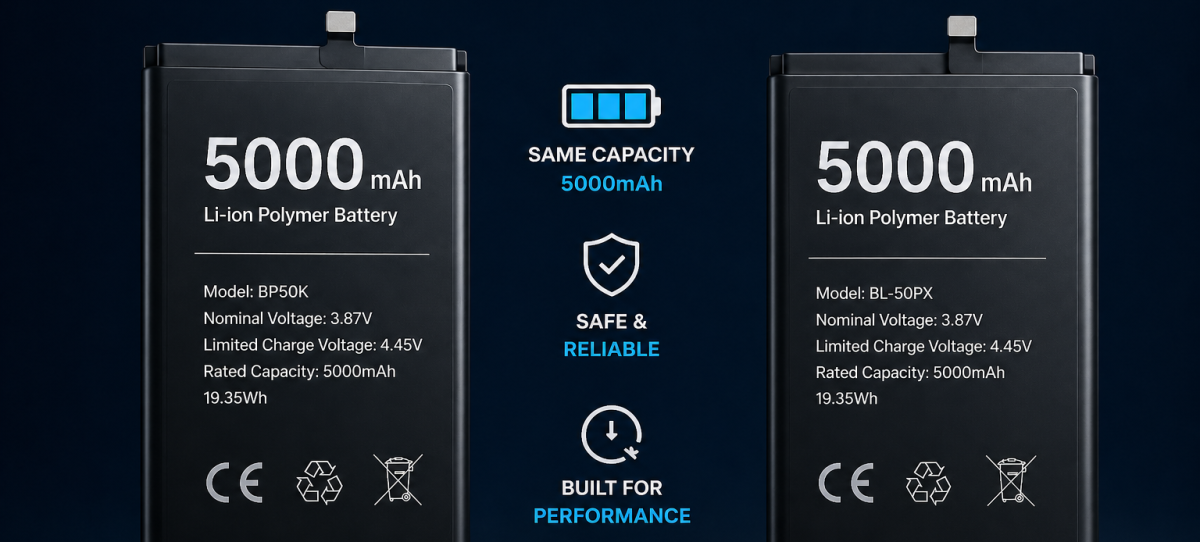
However, two phones with the same 5,000mAh battery can deliver very different results.
One may comfortably last until bedtime, while another struggles before evening.
The reason is simple: battery life is no longer decided by size alone.
Modern phone battery manufacturing has changed fast. Brands now combine better battery chemistry, smarter software, efficient chips and improved displays to squeeze more hours from the same capacity.
That means consumers need to understand what happens beyond the number printed on the box.
Smarter battery materials
Most smartphones still use lithium-ion or lithium-polymer batteries, but manufacturers continue refining the materials inside them.
Better electrode design, cleaner production methods and improved heat control can reduce energy loss during charging and discharging.
In simple terms, a newer 5,000mAh battery may waste less power than an older one. It can also handle more charging cycles before ageing.
This is why some newer phones keep strong battery health for longer, while older models begin draining quickly after months of use.
Chips matter more than many realise
If all other factors appear equal, the processor can still create a major gap.
Modern chips are built using smaller manufacturing processes such as 4nm or 3nm. Smaller chips usually need less power to perform the same task.
So, two phones with identical battery sizes and similar screens may behave differently because one uses a more efficient chipset.
It opens apps faster, manages background tasks better and produces less heat.
Heat is important because batteries dislike high temperatures and lose efficiency when devices run hot.
Displays can quietly drain power
The screen is one of the biggest battery users on any smartphone. A bright display with poor optimisation can drain power quickly.
Meanwhile, a more advanced panel can save energy even when showing the same content.
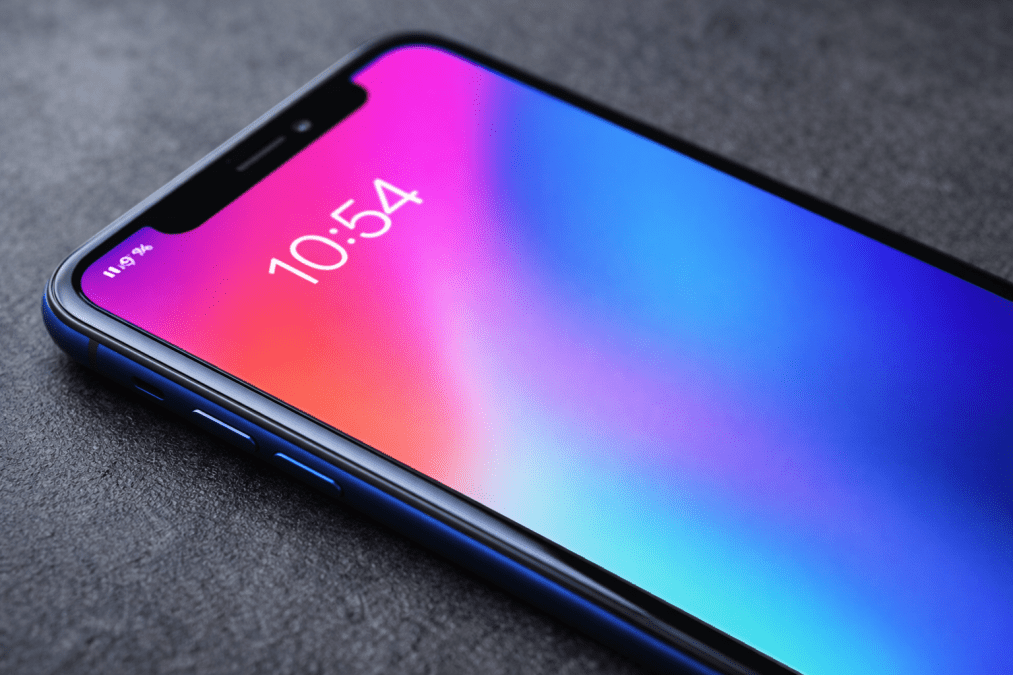
OLED displays, for example, can turn off individual pixels when showing black areas.
Adaptive refresh rate technology also helps by lowering screen speed when high performance is not needed.
That means scrolling social media and reading messages may consume less power on one phone than another.
Software is the hidden engine
Battery performance today depends heavily on software intelligence. Phone makers use artificial intelligence and background management tools to learn user habits.
Frequently used apps stay ready, while unused ones are restricted.
This can make a major difference. A well-optimised phone may spend less energy on hidden processes, syncing and unnecessary notifications.
Another device with weak software tuning may waste power even while idle.
What buyers should check
Battery size still matters, but it should not be the only test. Check processor efficiency, display technology, charging heat management and software reputation.
In today’s market, the smartest battery often beats the biggest one.