Advertisement
What you need to know before taking weight-loss drugs
03rd April, 2026 12:33 PM
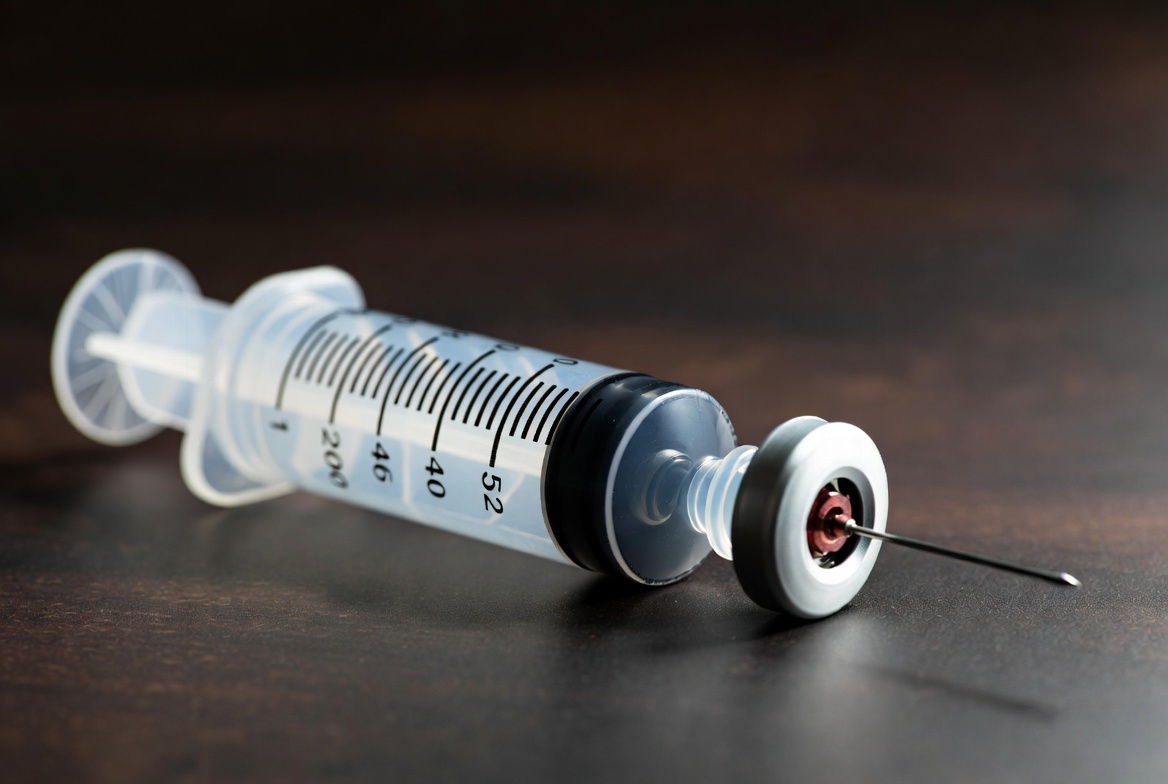
Weight-loss drugs are not the quick fix that many people believe, especially if you hope to maintain the pounds lost in the long term.
Sarah Le Brocq has direct experience with the transformative effects of weight-loss drugs.
She has lived with obesity for most of her adult life and tried numerous diets. “Anything that came out, I thought, ‘I’ll try that because that might work for me,'” she told the BBC’s Inside Health. Unfortunately, the weight always came back.
After taking weight-loss drugs for more than two years, she has lost almost eight stone (51kg/112lb).
“All of a sudden I wasn’t thinking about food anymore,” she says. “I’ve just got more energy, I’m doing things I couldn’t do before… it’s kind of given me a new freedom in life again.”
Millions of people like Sarah are now accessing medications such as semaglutide and tirzepatide, better known by their brand names Ozempic and Mounjaro.
The number of people using weight-loss medication is likely to increase as new drugs, including oral pills rather than injections, enter the market.
These drugs are opening a new era in obesity treatment. “They are the closest thing I’ve seen to miracle drugs,” says David Cummings, professor of medicine at the University of Washington.
However, other experts warn that people may overlook the need for behavioural change, as weight often returns once the drugs are stopped.
How weight-loss drugs work
Weight-loss drugs suppress appetite by mimicking hormones that signal when the body is full. The most common are glucagon-like peptide 1 (GLP-1) and glucose-dependent insulinotropic polypeptide (GIP).
These drugs bind to GLP-1 and GIP receptors on cells, which help signal satiety. Typically, weight loss begins within a few weeks of starting the medication. While approved for people with obesity, a growing private market exists for individuals not considered clinically obese.
Their popularity stems from effectiveness, with weight loss of 14–20% in 72 weeks. However, about 10–15% of people lose very little, the so-called “non-responders.”
GLP-1 drugs act like “a chemical shield” against our modern environment of cheap, calorie-dense foods, says Naveed Sattar, professor of cardiometabolic medicine at the University of Glasgow. “There’s food everywhere,” he says, “and within half an hour, anyone can order 10,000 calories of food.”
Weight regain after stopping
People starting weight-loss drugs should consider that they may need long-term treatment. Cummings notes that patients commonly ask how long they will be on the medication. Typically, they stop after about a year. A study of over 9,000 patients found the average treatment duration was 39 weeks.
Stopping drugs often leads to rapid weight regain. One study found people gained 1.5kg (3.3lb) eight weeks after stopping, with weight continuing to climb over time. Hormones and persistent thoughts about food, referred to as “food noise,” contribute to this rebound.
When individuals stop taking weight-loss drugs, appetite-stimulating hormones rise while metabolism decreases. “If these biological defences are strong enough, they can blunt the drug’s effectiveness,” says Cummings.
The role of lifestyle changes
For some, lifestyle changes may allow lower doses or intermittent use. “Some people make fundamental changes in their diet,” says Sattar. However, the majority will likely need ongoing medication because the environment remains the same.
Experts caution that using medication as a substitute for lifestyle change limits effectiveness. Lack of behavioural and lifestyle support can leave individuals vulnerable to nutritional deficiencies, warns Marie Spreckley, nutrition and behavioural scientist at Cambridge University. Adequate protein, vitamins, and minerals are essential to prevent frailty and muscle loss.
Behavioural nudges support long-term results
Stanford researchers have tested “microsteps” to encourage healthy behaviour alongside GLP-1 medications. Tiny changes in nutrition, activity, sleep, and stress management—like swapping sugary drinks for water or stepping outside for five minutes—improved behavioural expectations.
“Achieving your best health involves more than pharmacotherapy alone,” says Maya Adam, clinical associate professor at Stanford. Even small daily habits can make a significant difference over time.
Side effects and health considerations
Side effects of weight-loss drugs include gastrointestinal issues, pancreatitis, gallstones, and potential muscle loss, especially in people who do not exercise. Long-term effects, impacts on pregnancy, and future generations remain unclear.
Despite these concerns, Sattar and Cummings agree that for individuals with obesity and related conditions, the health benefits outweigh the risks. Obesity contributes to heart disease, cancer, and stroke—the leading causes of death globally.
Beyond weight loss, studies show GLP-1 drugs may improve heart health, reduce infections, lower drug abuse risk, and decrease dementia incidence. They may also help with sleep apnoea, arthritis, and substance abuse.
The bigger picture
Weight-loss drugs are one tool in managing obesity. Experts emphasize creating environments that make healthy choices easier and supporting behavioural change alongside medication. Future efforts should focus on improving access to healthy foods and influencing policy to reduce the need for medication in the next generation.
“Our ultimate goal should be to change the food environment to offer better choices,” says Amanda Daley, professor of behavioural medicine at Loughborough University. “Medication alone will not reverse the obesity challenge.”