What is 4/20? The story behind a global cultural trend
By William Muthama, April 20, 2026April 20, commonly written as 4/20, has become one of the most recognised dates on the internet.
What started as a small local reference has grown into a widely shared online trend, appearing in posts, memes and conversations across different platforms every year.
The origin of 4/20 is traced back to a group of high school students in California in the early 1970s known as “The Waldos.” They used “420” as a code word to meet at 4:20 pm after school.
The meeting point was a statue on campus, and they used the time as a signal for their plans, which later became linked to cannabis use. The term eventually spread beyond the group and grew into wider culture over time.
As the term spread, it became more closely associated with cannabis culture. It was used in conversations, music and informal gatherings, and slowly became part of wider youth language.

Over time, the meaning expanded beyond its original school setting.
How it spread online
With the rise of the internet, the term spread faster and became a regular feature in online spaces.
Today, going online on April 20, you will often see content creators posting 4/20-themed content, WhatsApp users sharing messages, and even rappers referencing it in songs, captions and short videos. Social media platforms play a big role in keeping the date trending each year.
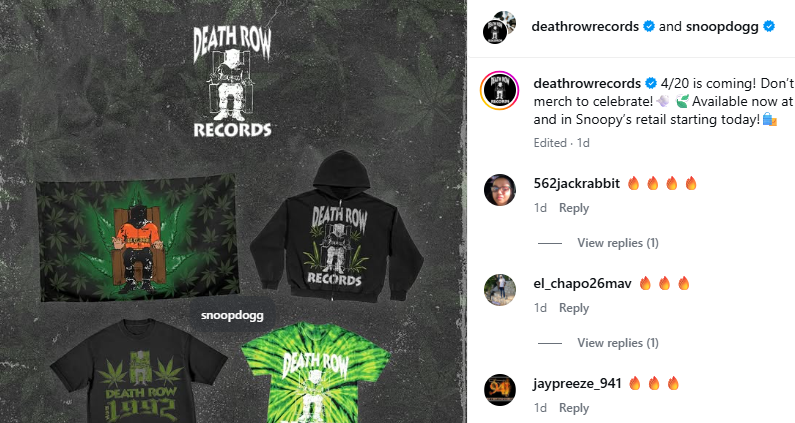
Each April 20, the date appears widely in posts, discussions and trending content across different platforms. Even people who do not fully know its background often recognise it from repeated online use.
The date has grown beyond just being mentioned on April 20. In some instances, even on regular days, people reference it online, saying it is “time for 4/20” or using it in jokes, captions and short posts.
It has become part of everyday digital language, especially in online spaces where trends spread quickly and are reused in different contexts