What happens after Islamic burial? Samia Suluhu’s mourning period explained
By William Muthama, September 8, 2026After Hafidh Ameir Hassan was buried in Kizimkazi, Zanzibar, on Monday, September 7, 2026, attention shifted from the funeral rites to the period of mourning that follows a Muslim burial.
For his widow, President Samia Suluhu Hassan, this includes iddah, the Islamic waiting period observed by a widow following the death of her husband.
Ameir died earlier that day at Emilio Mzena Memorial Hospital after receiving treatment for a heart condition. His body was buried the same day, following Islamic funeral rites, with Janazah prayers led by Zanzibar Grand Mufti Sheikh Saleh Omar Kaabi.
What happens after the burial?
Once the burial is completed, mourners typically pray for the deceased before leaving the cemetery.
Family members and visitors then gather at the home to offer condolences. Prayers and Qur’an recitation may continue in the days that follow, while relatives and friends visit the bereaved family.
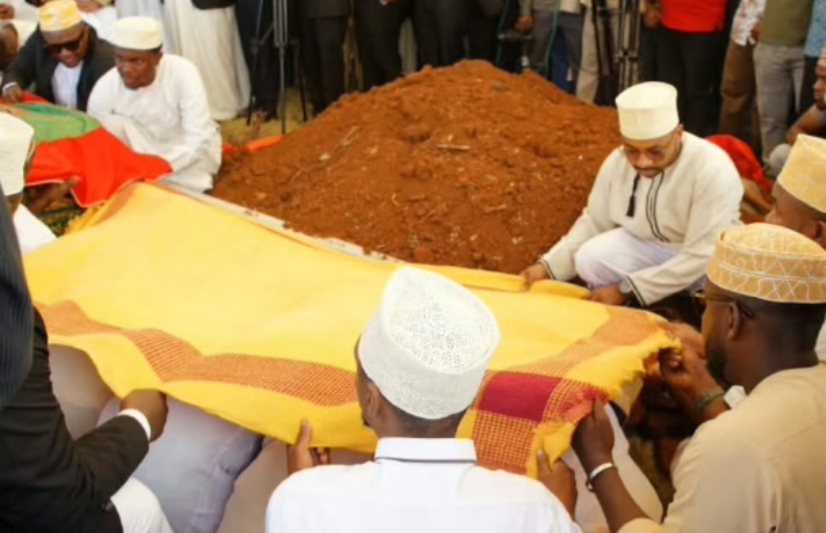
Unlike some Christian funeral traditions, Islamic practice does not prescribe a single form of a wake. The emphasis remains on prayer, remembrance and supporting the bereaved family.
Samia is also expected to visit her husband’s grave later, having not attended the actual interment.
Samia to observe Iddah
For Samia, another important part of the period following her husband’s death is iddah, the waiting period prescribed for a Muslim widow.
For a widow who is not pregnant, iddah lasts four lunar months and 10 days. The period is counted from the date of the husband’s death, rather than from the day of burial.
If a widow is pregnant, her iddah continues until she gives birth.
The requirement is set out in the Qur’an, which states that widows should wait for four months and 10 days.
What does a widow observe during Iddah?
During iddah, a widow is generally expected to observe a period of mourning and refrain from remarriage until the waiting period ends.
She is also traditionally expected to avoid adornment and perfume and to remain in the marital home, except when there is a genuine need to leave.
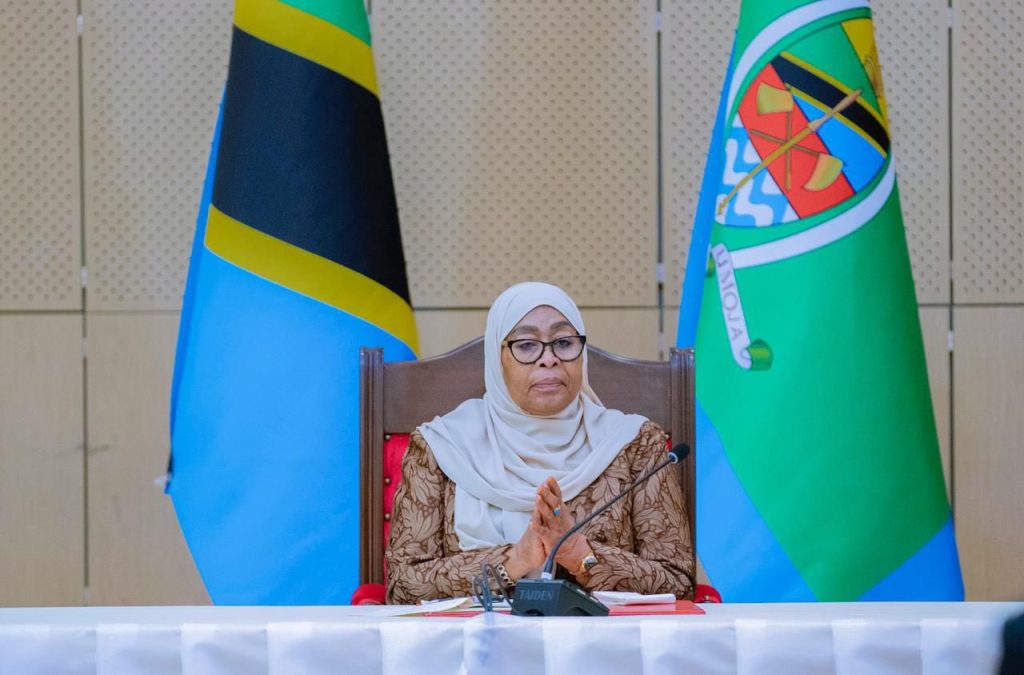
The rules, however, should not be interpreted as meaning that a widow is completely prohibited from public life or official responsibilities.
For a public figure such as Samia, how the mourning period is observed alongside presidential duties can also depend on religious guidance, custom and the practical demands of her office.
What happens to the grave after Burial?
After the burial, relatives and friends may continue visiting the grave to pray for the deceased.
Grave visits are subject to different Islamic scholarly views, particularly regarding women. Some scholars discourage women from accompanying funeral processions or attending the burial itself, while allowing later visits under appropriate conditions.
Others permit women to visit graves provided Islamic guidelines are observed.
The key purpose of such visits is remembrance, reflection and prayer for the deceased.