Advertisement
Types of house roofing you probably did not know
10th March, 2026 11:04 PM
When people build or renovate a home, the roof is often treated as just a protective cover. In reality, roofing plays a much bigger role.
A roof protects the house from rain, heat, wind, and dust, but it also influences energy efficiency, durability, and the overall appearance of a home.
In many places, homeowners tend to choose the roofing style they see most around them without knowing that there are many other options available. Some roofing materials last longer, some reduce heat inside the house, while others are designed to withstand extreme weather.
Understanding different types of roofing can help homeowners make smarter decisions when building or upgrading their homes.
Corrugated metal roofing
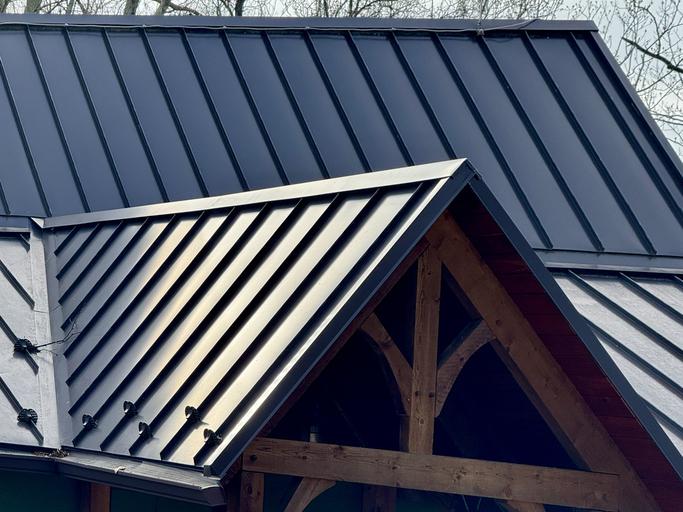
Corrugated metal roofing is one of the most widely used roofing materials in many parts of the world. It is made from galvanised steel or aluminium sheets that are shaped into repeating waves or ridges.
These roofs are popular because they are relatively affordable, lightweight, and easy to install. The ridges also help water flow quickly during heavy rains, reducing the chances of leaks.
Modern versions of corrugated roofing are coated to resist rust and can last for many years if properly maintained. They are commonly used in residential homes, warehouses, and commercial buildings.
However, metal roofs can become noisy during heavy rain if proper insulation is not installed underneath.
Clay tile roofing
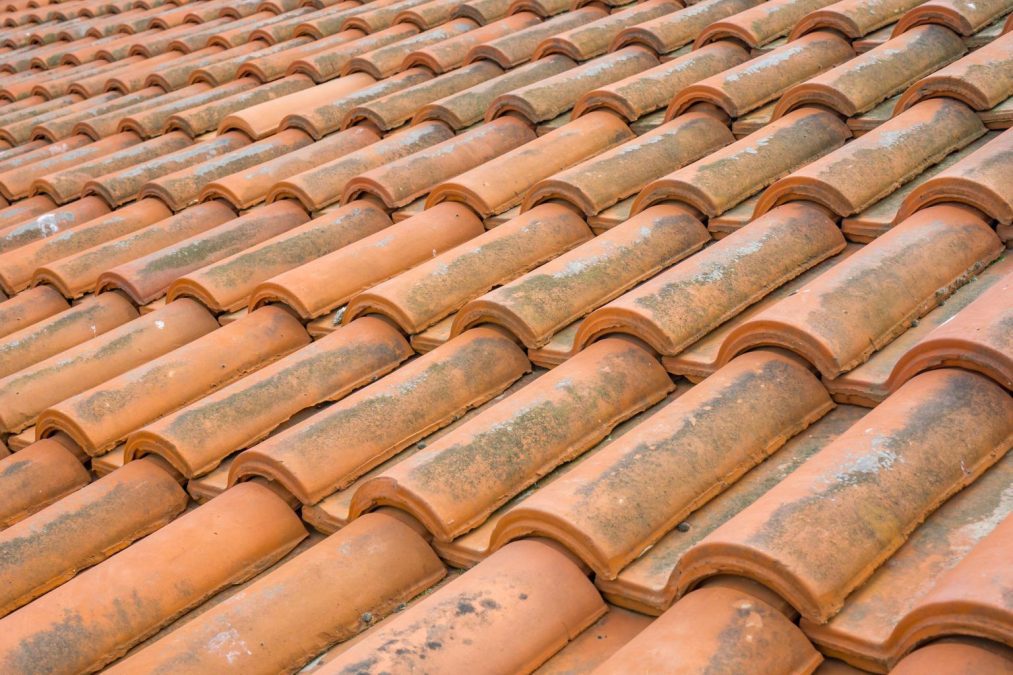
Clay tiles are one of the oldest roofing materials still in use today. They are made from natural clay that is shaped and baked at high temperatures to create durable roofing tiles.
These roofs are commonly seen in Mediterranean, Spanish, and tropical architectural designs. Clay tiles are known for their long lifespan and their ability to resist extreme heat.
One advantage of clay roofing is that it allows air circulation between the tiles, which helps keep homes cooler during hot seasons. This makes them especially useful in warm climates.
The main downside is that clay tiles are heavier than many other roofing materials, so the house structure must be strong enough to support them.
Concrete tile roofing
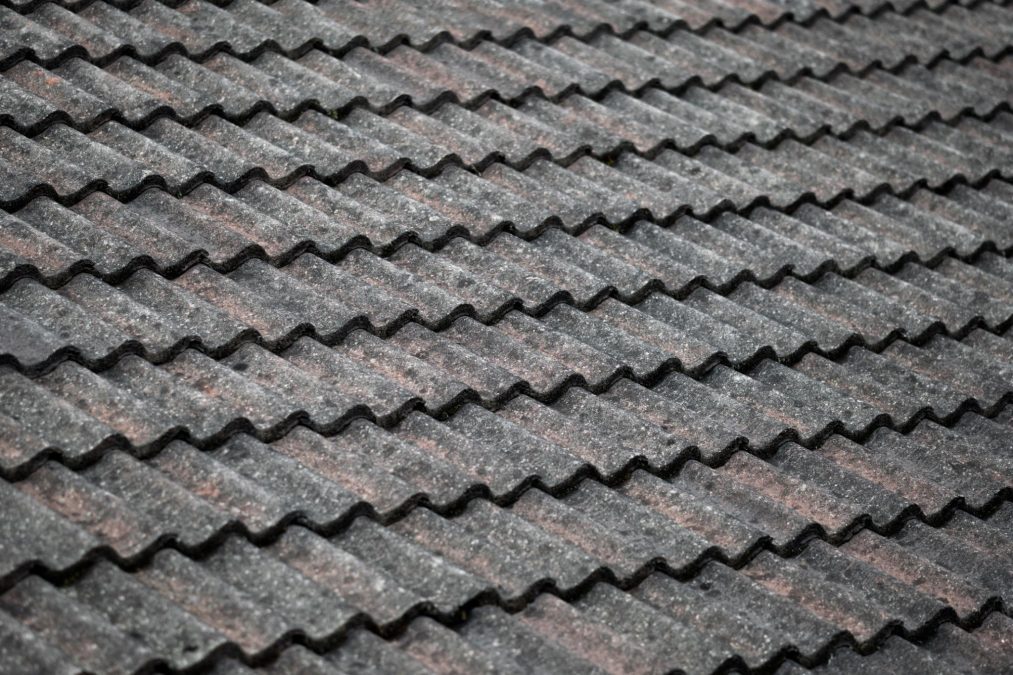
Concrete roofing tiles look similar to clay tiles but are made using cement, sand, and water. They are moulded into shape and hardened to form strong roofing units.
Concrete tiles are durable and can last for decades. They are also available in many colors and styles, allowing homeowners to achieve different architectural looks.
Compared to clay tiles, concrete roofing is often more affordable while still offering strong protection against harsh weather.
However, like clay tiles, they are heavy and require a solid roof structure.
Asphalt shingles
Asphalt shingles are one of the most common roofing materials in North America and many modern residential developments.
They are made from a fibreglass or organic base coated with asphalt and small mineral granules.
These shingles are lightweight, relatively affordable, and easy to install. They also come in many colours and textures, allowing homeowners to match them with different house designs.
Asphalt roofing works well in areas with moderate climates, although its lifespan is usually shorter than that of tile or metal roofing.
Green roofs
Green roofs are becoming more popular in modern architecture, especially in cities that want to improve environmental sustainability. A green roof involves growing vegetation such as grass or small plants on top of a specially designed roofing system.
These roofs help absorb rainwater, reduce urban heat, and improve insulation inside buildings. They also create a natural space that improves air quality.
Green roofs require proper waterproof layers and maintenance to ensure the plants remain healthy and the roof structure stays protected.
Solar roofing
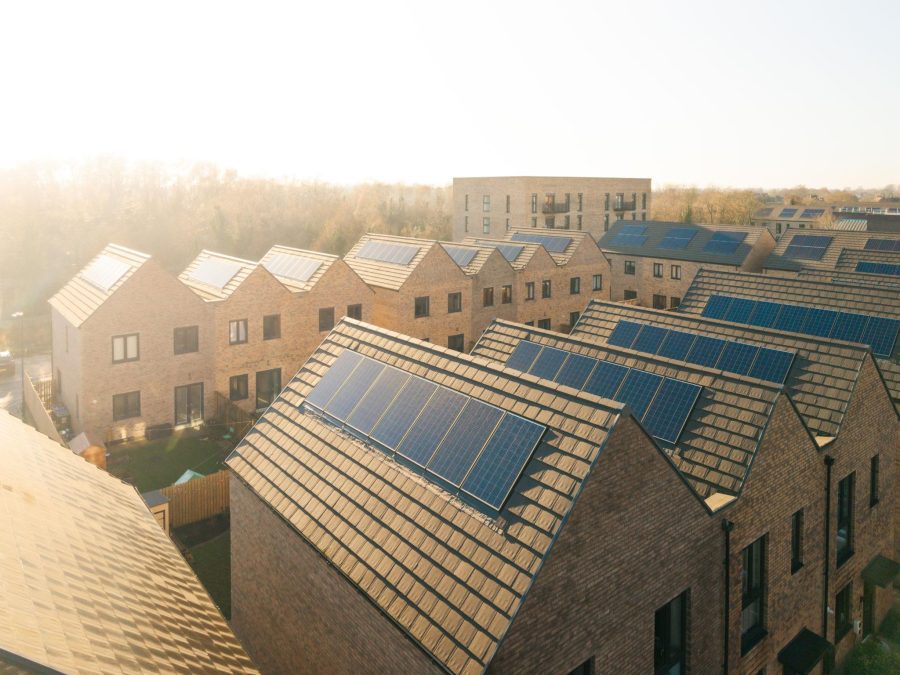
Solar roofing is another modern roofing innovation. Instead of installing separate solar panels, the roof itself is designed to generate electricity using built-in solar cells.
These systems allow homeowners to produce clean energy directly from sunlight, helping reduce electricity bills and dependence on traditional power sources.
Although solar roofing systems require a higher initial investment, many homeowners consider them valuable in the long term because of energy savings and environmental benefits.
Choosing the right roof
The right roofing type depends on factors such as climate, budget, building design, and long-term maintenance needs.
A roof that works well in hot climates may not perform the same way in areas with heavy snowfall or strong winds.
Before choosing a roofing material, homeowners should consider durability, cost, insulation properties, and the weight that the house structure can support.
A well-chosen roof does more than protect a house. It improves comfort, enhances appearance, and increases the long-term value of a home.