Types of flooring you should know before decorating your home
By David Nthua, March 9, 2026When people think about interior decoration, they often focus on paint, furniture, or wall art.
However, the floor is one of the most important parts of any space. It covers the largest surface in a room and greatly affects how the house looks, feels, and even how comfortable it is to live in.
Choosing the right floor is not only about beauty. Good flooring should be durable, easy to clean, safe, and suitable for the environment where it will be installed.
Some floors work well in wet areas such as kitchens and bathrooms, while others are better suited for living rooms and bedrooms.
Understanding the common types of flooring can help homeowners make better decisions before building, renovating, or decorating their homes.
1. Tile flooring
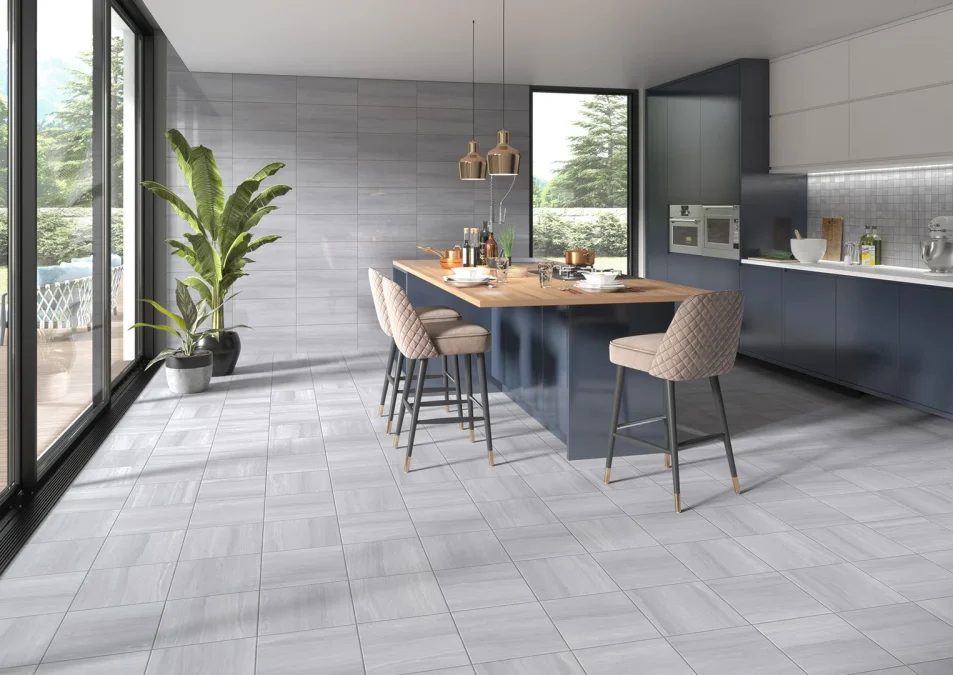
Tiles are one of the most widely used flooring options in modern homes. They are made from materials such as ceramic, porcelain, or natural stone. Tiles are popular because they are durable, easy to clean, and resistant to water.
This makes them ideal for areas such as kitchens, bathrooms, corridors, and living rooms. In warmer regions, tile floors are also preferred because they stay cool even during hot weather.
Tiles come in many designs, colours, and sizes. Some are designed to look like wood, marble, or concrete. This allows homeowners to achieve different interior styles without using expensive materials.
However, tile floors can sometimes feel cold and hard underfoot, especially in colder climates. Rugs or carpets are often used to soften the space and add warmth.
2. Wooden flooring
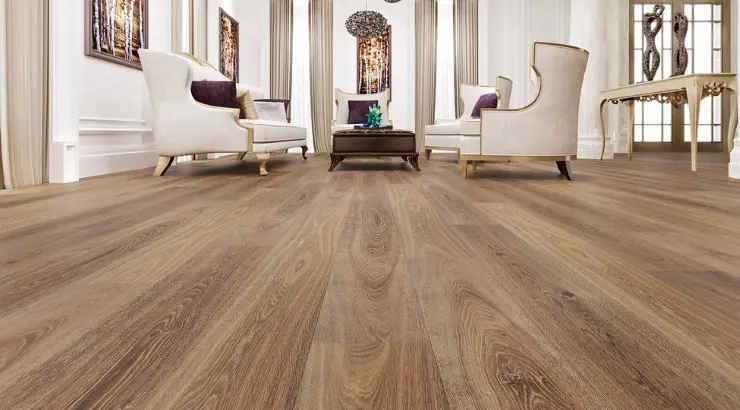
Wooden flooring adds warmth, elegance, and a natural feel to a home. It is commonly used in living rooms, bedrooms, and offices where comfort and appearance matter most.
There are two main types of wooden floors. Solid hardwood flooring is made from natural timber and can last for decades when properly maintained.
Engineered wood flooring, on the other hand, consists of a thin layer of real wood placed over a stronger base material, making it more stable and affordable.
Wooden floors are loved for their beauty and timeless appearance. They can also increase the value of a home. However, wood can be sensitive to moisture and may warp if exposed to water for long periods. Because of this, it is usually avoided in bathrooms or laundry areas.
Regular cleaning and occasional polishing help wooden floors maintain their shine and durability.
3. Vinyl flooring
Vinyl flooring has become increasingly popular because it is affordable, versatile, and easy to install. Modern vinyl floors are designed to mimic natural materials such as wood, stone, or tiles.
Vinyl is water-resistant, making it suitable for kitchens, bathrooms, and basements. It is also softer than tile, which makes it more comfortable to walk on for long periods.
Another advantage of vinyl flooring is its low maintenance. It only requires regular sweeping and occasional mopping to stay clean.
4. Laminate flooring
Laminate flooring is another option designed to look like real wood or stone. It consists of multiple layers fused together, with the top layer featuring a photographic image of wood or another natural material.
Laminate is more affordable than hardwood flooring and is relatively easy to install. Many homeowners choose it when they want the appearance of wood without the high cost.
While laminate is durable and scratch-resistant, it does not tolerate excessive moisture very well. Spills should be cleaned quickly to prevent damage.
5. Carpet flooring
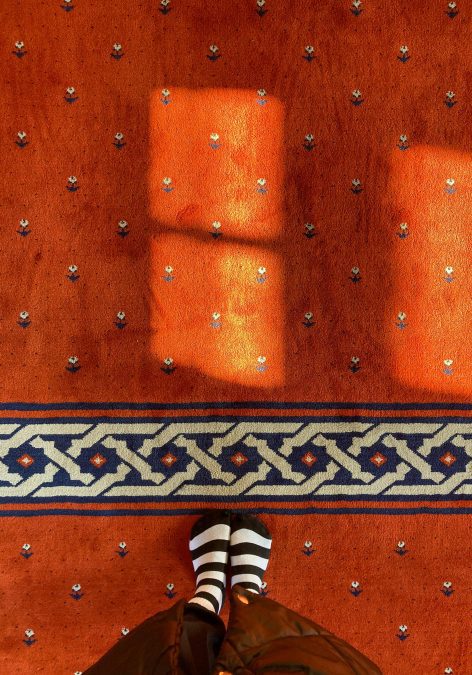
Carpets are often used in bedrooms and living areas where comfort is a priority. They create a warm, soft surface that feels pleasant underfoot and helps reduce noise in a room.
Carpets also improve insulation, helping keep rooms warmer during cold seasons. However, they require more maintenance than other flooring types because they can trap dust, dirt, and allergens.
Regular vacuuming and occasional deep cleaning help keep carpets fresh and hygienic.
Choosing the right floor
The best flooring choice depends on several factors, including budget, climate, lifestyle, and the function of each room.
Homes with children or pets may benefit from durable and easy-to-clean surfaces such as tiles or vinyl. Meanwhile, bedrooms and lounges may feel more comfortable with wood or carpet.
Understanding the strengths and limitations of each flooring type helps homeowners create beautiful spaces that are also practical for everyday living.
A well-chosen floor not only enhances interior design but also improves comfort, durability, and long-term value in a home.