Advertisement
Tricks bookshop sellers use to box parents during schools reopening period
27th April, 2026 05:03 PM
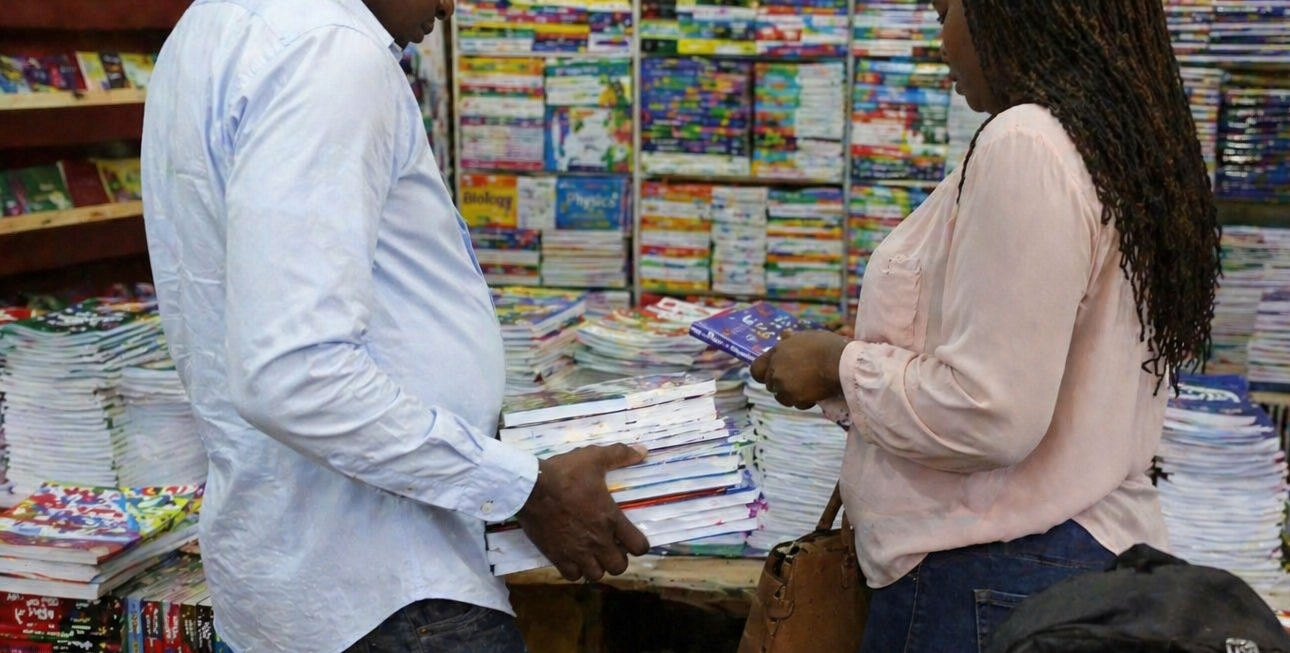
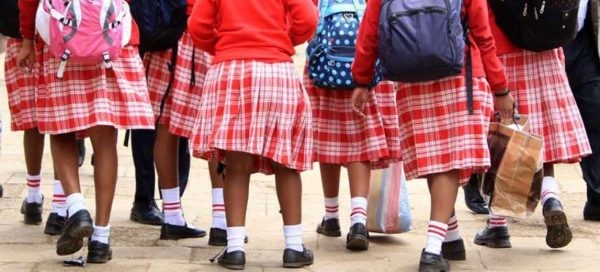
Kenya, on Monday, April 27, 2026, entered Term Two of the primary and secondary schools calendar, with many primary school day scholars reporting the same day, boarders arriving on Monday evening, and most secondary school learners expected to report from Tuesday, April 28, 2026.
That return to class also marked the start of one of the busiest shopping seasons for families.
Across towns and estates, bookshops filled with parents carrying lists, checking prices, calling children and trying to finish errands quickly before school gates fully reopen.
In such moments, spending mistakes become easy. A parent can walk in planning a modest budget and walk out wondering how pens, books and covers cost far more than expected.
The shopping trap
One common move is adding items you never asked for. You came for exercise books and pens, but somehow the basket now includes fancy covers, sharpeners, glue sticks, files and a ruler shaped like a cartoon sword.
Each item feels small and harmless. Combined, they can stretch the bill in a big way.
Another familiar tactic is showing the expensive version first. Ask for a geometry set, and you may first be handed one priced like specialist equipment.
After seeing that number, the second most costly option suddenly feels cheaper.
That is how many buyers get pushed upward without noticing.
Then comes pressure language. “Stock is ending.” “Tomorrow, the price goes up.” “This is the last one.”
Sometimes it may be true. Sometimes it is simply designed to stop you from comparing elsewhere.
Where money disappears
Oversized quantities also trap many families. A child may leave with 20 pens, six tissue packs and enough exercise books to last longer than expected.

Yet some of those items could be bought later after real needs become clear. Buying everything at once can hurt the budget unnecessarily.
Another weak point is unclear pricing. Goods are packed quickly, scanned quickly and only the total figure is mentioned. Without knowing the price of each item, spotting overcharging becomes harder.
Then there is the famous phrase: “This is what schools want.”
Sometimes the written list only asked for black shoes, notebooks or a calculator, yet suddenly premium versions are being pushed.
Children also influence spending without meaning to. Bright lunch boxes, superhero bags and trendy water bottles can melt even strict budgets. In that moment, style often wins over durability.
The best defence remains simple. Carry a budget. Follow the school list. Compare shops.
Ask for cheaper alternatives. Check the receipt before leaving. Buy essentials first.
Most reopening overspending is not dramatic fraud. It is small decisions made while tired, rushed and distracted. A calm parent with five extra minutes can save more money than expected.