Thinking of visiting or investing in Lamu? Here’s what to know
By Cynthia Lodite, September 29, 2026Lamu is known for its beautiful beaches, Swahili culture, historic buildings and relaxed way of life; many would describe it as a slow town.
However, this particular coastal county is also getting attention from people looking for new business and investment opportunities.
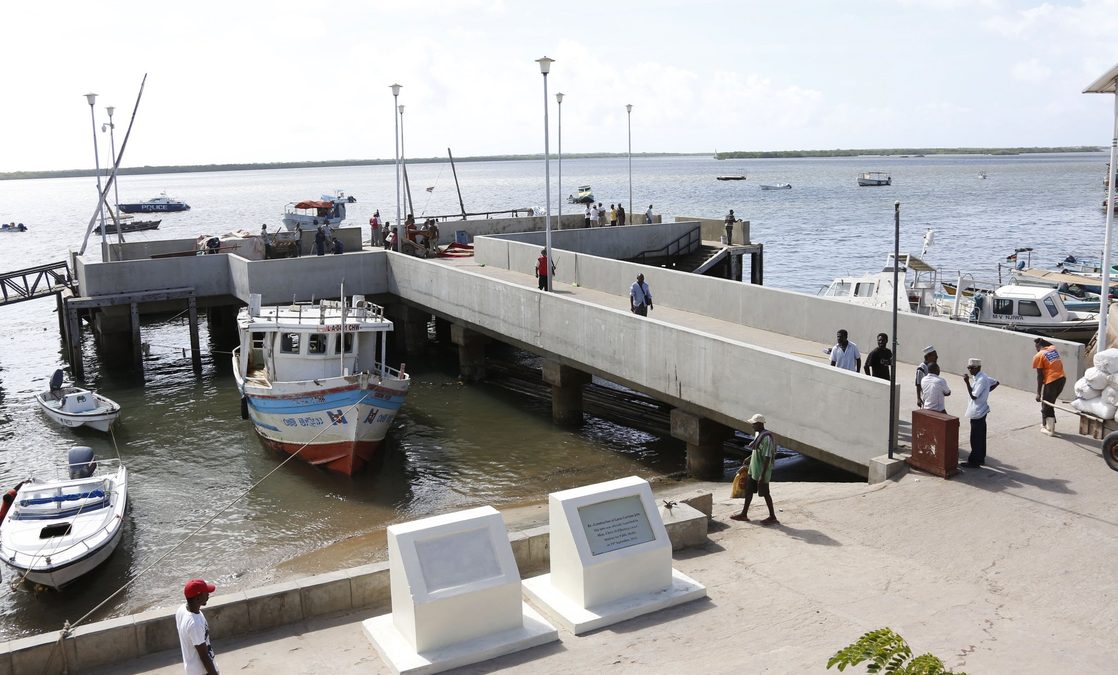
The development of Lamu Port, the wider LAPSSET corridor and plans for major projects such as Dangote’s proposed oil refinery are changing how people view the county.
Whether you are planning a holiday or thinking about putting your money into a business, here are some things to know about Lamu.
If you are planning to visit
Lamu offers more than a beach holiday.
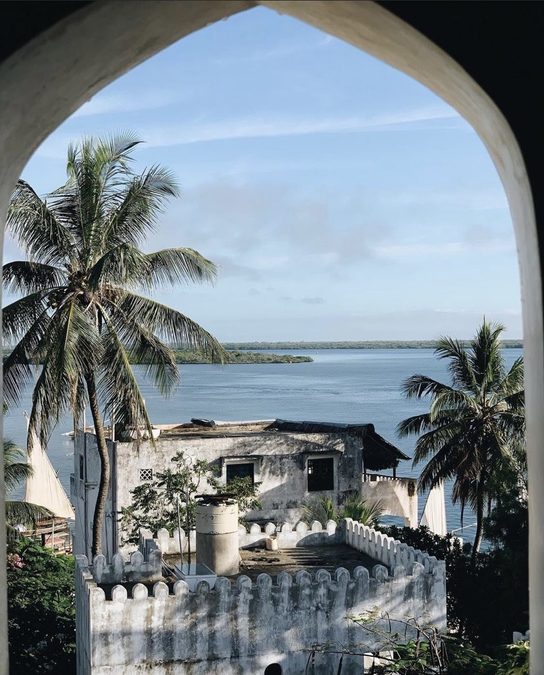
Visitors can explore Lamu Old Town, a UNESCO World Heritage Site, take a dhow ride, visit Shela, enjoy Swahili food and experience the local culture.
The county has about 130 kilometres of sandy coastline and is also known for marine life, beaches and cultural attractions.
The pace of life is also different from what many visitors are used to in busy towns. Walking through the narrow streets of Old Town and using boats to move between different areas are part of the Lamu experience.
If you are thinking about investing
Lamu’s investment story is closely linked to its location.
Lamu Port is part of the LAPSSET corridor, which is designed to connect Kenya with South Sudan and Ethiopia.
According to the Kenya Ports Authority, the port currently has three operational berths.
This could create opportunities in areas such as transport, logistics, accommodation, housing, retail and other services.
Following reports by the Lamu County government, fisheries, agriculture, livestock, tourism, housing, finance and utilities are among areas with investment opportunities.
Dangote’s interest has put Lamu in the spotlight
One of the biggest developments to watch is Nigerian businessman and billionaire Aliko Dangote’s proposed oil refinery.
The planned refinery is expected to have a capacity of 700,000 barrels of crude oil per day.
President William Ruto is expected to break ground for the refinery on September 30, 2026, with the project projected to take up to three years before being complete.
The refinery is expected to have a capacity of 700,000 barrels per day and produce more than 100 million litres of petrol, diesel and aviation fuel daily.
In addition, the project is expected to supply refined petroleum products to Kenya and neighbouring countries, including Ethiopia, South Sudan, Uganda, Tanzania, Rwanda, Burundi and the Democratic Republic of Congo.
Property and housing could also see more demand
Following the proposed refinery plant in the region, more economic activity can increase the need for places where people can live and work.
Lamu’s own development plans identify housing and accommodation as areas with potential, particularly around areas affected by the growth of the port and other projects.
For someone considering property, however, it is important to do proper checks before spending money. This includes confirming ownership documents, understanding local planning rules and checking what developments are actually approved rather than relying on promises about future projects.
Lamu is still about more than investment
Despite the growing investment interest, Lamu’s culture and environment remain a major part of its appeal.
Its historic buildings, beaches, marine life and Swahili heritage attract visitors from Kenya and abroad.
For investors, this means opportunities exist, but so do responsibilities. Any new development has to consider the environment and the communities that have lived in Lamu for generations.
For travellers, Lamu remains a place to enjoy the ocean, history and culture.
For investors, its port, location and planned projects make it a county worth watching as Kenya’s Coast continues to develop.