Samburu chopper crash: 4 fatal accidents involving Eurocopter helicopters in Kenya
By Ascah Mwango, August 21, 2026The fatal helicopter crash at Mount Ololokwe in Samburu County has added to a history of deadly accidents involving Eurocopter aircraft in Kenya.
The crash on Wednesday, August 19, 2026, claimed the lives of all seven people aboard the aircraft, including five US citizens and senior foreign officials.
The aircraft, a Eurocopter EC130 B4 registered as 5Y-GYM, was operating a safari flight when it crashed in a rugged area of Mount Ololokwe.
The accident is being investigated by Kenya’s Air Accident Investigation Department as authorities work to establish what caused the helicopter to go down.
The latest tragedy has once again drawn attention to the safety record of Eurocopter aircraft in Kenya, where the French-designed helicopters have been widely used for tourism, charter operations and government services.
Here are four notable Eurocopter accidents in Kenya.
Mount Ololokwe crash – August 2026
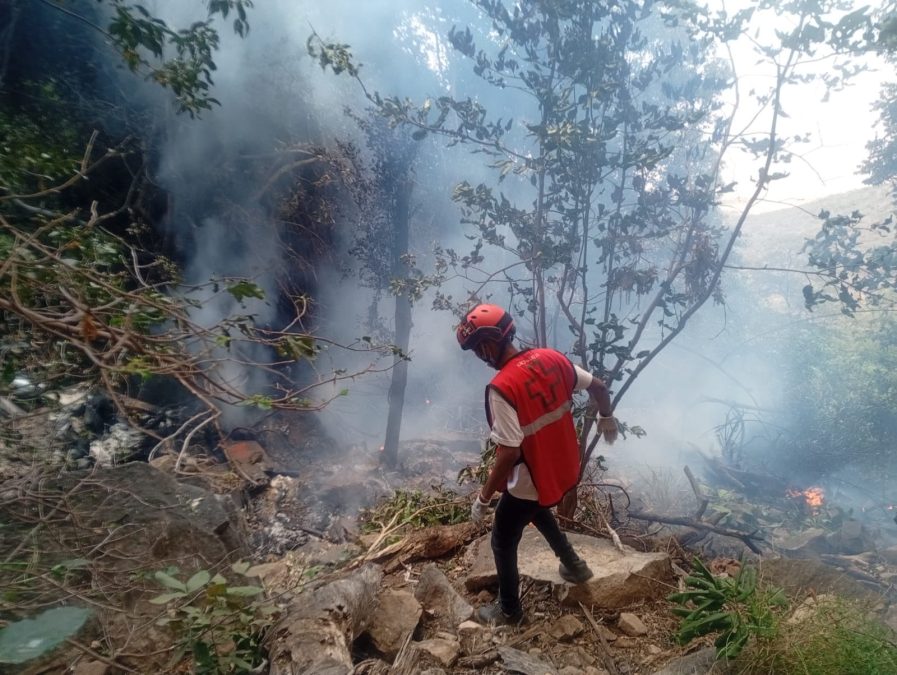
The latest accident occurred on August 19, 2026, in the Mount Ololokwe area of Samburu County.
The Eurocopter EC130 B4 was carrying seven people when it crashed and burst into flames.
All seven occupants died.
Among the victims were five US citizens, including Telemundo executive José Alberto Suárez, and Michele Sensi-Contugi, who served as director of Ecuador’s National Intelligence Center.
The helicopter had reportedly been travelling between Loisaba Conservancy and Ewaso Nyiro when the accident occurred.
Investigators are expected to examine several factors, including weather, terrain, aircraft condition, flight operations and the pilot’s decisions, before determining the cause of the crash.
Mosop, Nandi crash – February 2026
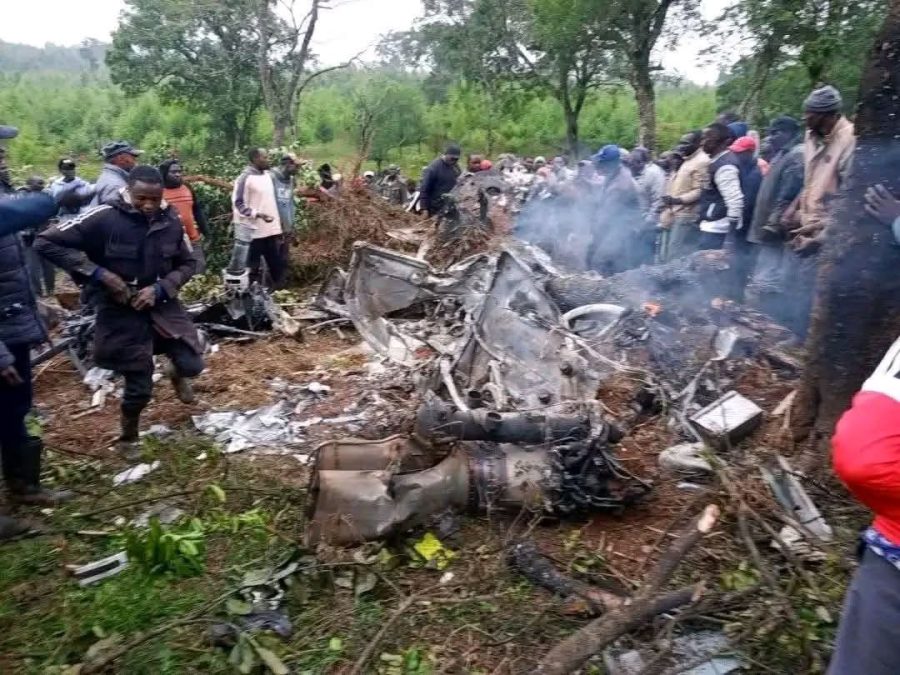
Months before the Samburu tragedy, another Eurocopter crash claimed six lives in Nandi County.
A Eurocopter AS350 helicopter crashed on February 28, 2026, in the Chepkiep area of Mosop Sub-County, Nandi County, after encountering difficult weather conditions.
Emurua Dikirr Member of Parliament Johana Ng’eno died alongside five others in the helicopter crash.
The aircraft encountered thick fog and heavy drizzle, with visibility falling to extremely low levels before the helicopter struck rising terrain.
The accident highlighted the dangers posed by rapidly changing weather and difficult terrain, particularly for helicopters operating in Kenya’s highland and Rift Valley regions.
Kenya Air Force Fennec crash – July 2023
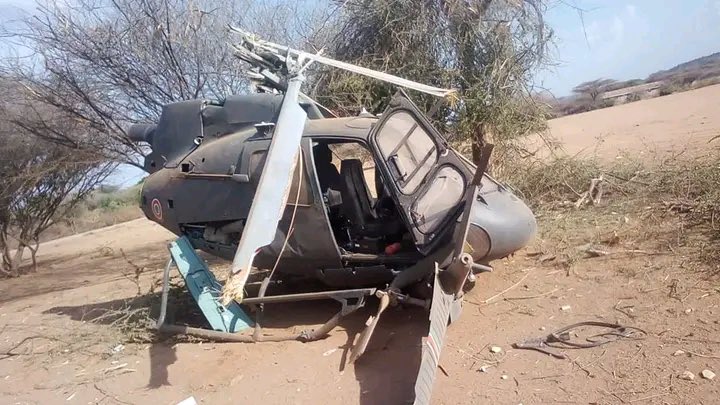
Not every Eurocopter accident in Kenya has resulted in fatalities.
On July 20, 2023, a Kenya Air Force Eurocopter AS550C3 Fennec crashed at Chemolingot in Tiaty West, Baringo County.
The military helicopter was conducting security patrol operations when it clipped trees while flying at low altitude.
There were four occupants aboard the aircraft.
Two crew members sustained injuries, while the other two escaped unharmed.
Unlike the other incidents, the crash did not result in any deaths.
The accident nevertheless raised questions about the challenges involved in operating and maintaining aircraft across different terrains and demanding operational environments.
Ngong Hills crash – June 2012
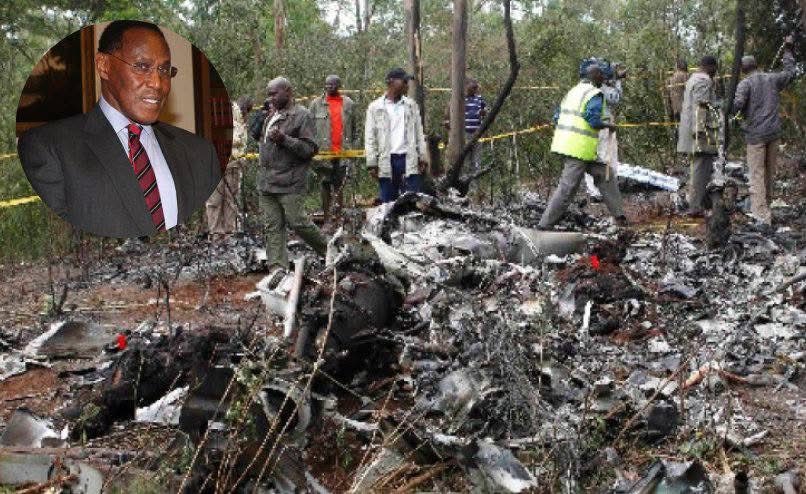
One of Kenya’s most politically significant helicopter crashes involving a Eurocopter occurred in June 2012.
A Kenya Police Air Wing Eurocopter AS350 B3e crashed in Kibiku Forest near Ngong Hills on June 10, 2012.
All six people aboard were killed.
Among those who died were then Internal Security Minister George Saitoti and his assistant minister, Joshua Orwa Ojode. Two pilots and two security officers also died.
Saitoti was a prominent political figure and had been viewed as a potential presidential contender, making the crash a major national event.
The tragedy also triggered widespread speculation about its circumstances.
A subsequent judicial commission of inquiry examined the circumstances surrounding the crash and raised concerns about issues including Police Air Wing operations, aircraft handling and pilot training.
What makes helicopter operations challenging in Kenya?
The four accidents also highlight some of the challenges faced by helicopter operators in Kenya.
Unlike commercial airliners, helicopters frequently operate at relatively low altitudes and can access remote areas where runways are unavailable.
That flexibility makes them valuable for tourism, security operations, emergency services and executive travel, but it can also expose them to hazards such as rapidly changing weather, difficult terrain, trees and other obstacles.
Weather can be particularly challenging in mountainous and highland areas.
Sudden fog, heavy rain, strong winds and reduced visibility can make navigation difficult, especially when aircraft are operating close to the ground.
Terrain is another major consideration.
A helicopter flying in a mountainous or rugged area has less room to manoeuvre when visibility deteriorates or weather conditions change unexpectedly.
Why the investigations matter
While initial reports may point to weather, terrain, mechanical problems or human factors, the actual cause of an aviation accident can only be established through a detailed investigation.
Investigators typically examine the aircraft’s maintenance records, flight path, weather conditions, pilot qualifications, operational decisions and available evidence from the crash site.
The findings are important not only for determining what happened but also for identifying measures that could prevent similar accidents.
The Samburu crash has therefore renewed attention on helicopter safety in Kenya.
As investigators examine what happened at Mount Ololokwe, the accident joins a list of previous Eurocopter tragedies that have claimed lives in different parts of the country.