Top fears students face during schools reopening
By David Nthua, April 26, 2026When schools reopen, not every learner feels excited. While some are happy to see friends again, others carry a quiet fear that many adults do not notice.
A child can polish shoes, wear a uniform and board the bus while still feeling heavy inside.
Fear of school is more common than many people think, and it is not always about laziness or bad manners.
Child experts say going back to school can trigger anxiety linked to friendships, performance, routine changes, bullying, separation from parents or past bad experiences in school.
Fear of failing
Many students worry about books more than they admit.
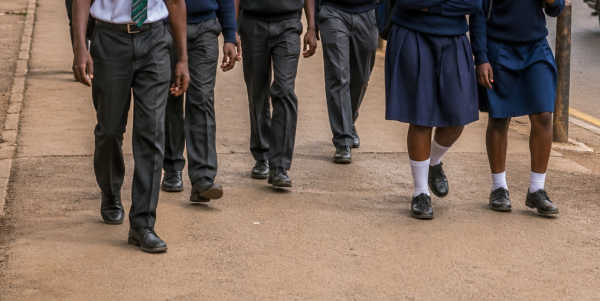
Some know they struggled last term. Others fear difficult subjects, unfinished holiday homework, poor grades or being embarrassed in class.
A child who feels “behind” may start dreading the return long before opening day.
Research on school anxiety shows tests, classroom performance and fear of getting things wrong are common stress triggers for children.
This is why a child may suddenly complain of headache or stomach pain when reopening nears.
Sometimes the body expresses stress before the child finds the words.
Bullying and fitting in
For some learners, the real fear is not books. It is people.
A child who was mocked, isolated, threatened or constantly teased may see school as a place of pain instead of growth.
Even the worry of not fitting in can be enough to create panic.
The Kids Mental Health Foundation said in a survey released in 2025 that many children avoid school because of bullying, social worries or feeling like they do not belong.
When adults only ask, “Why don’t you want school?” they may miss the deeper question: “What happened there?”
Leaving home again
Younger children, especially after long holidays, may struggle with separation from parents or caregivers.
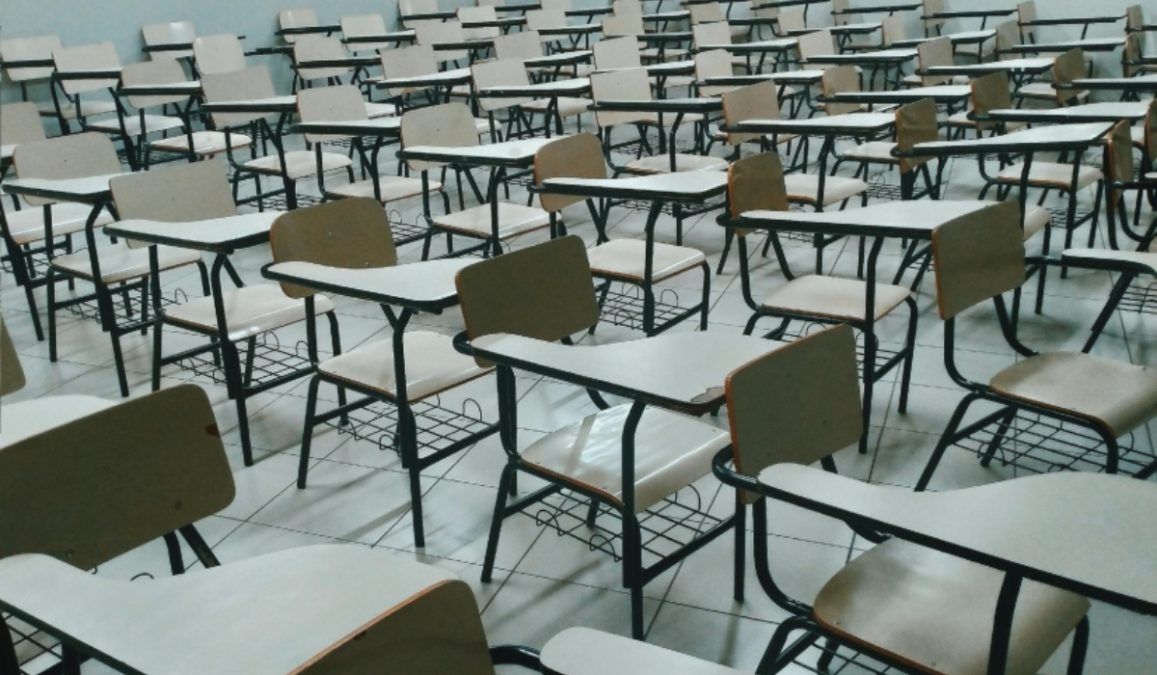
The American Academy of Child and Adolescent Psychiatry notes that school refusal often begins after long breaks, holidays or time spent at home, when attachment to home routines becomes stronger.
To adults, school may feel normal. To a child, leaving the safety of home can feel huge.
That is why some cry at the gate, cling to parents or become unusually quiet.
Routine shock is real
Holiday life and school life are different worlds.
At home, many children sleep later, watch TV longer, eat freely and move at their own pace.
School demands waking early, following rules, sitting through lessons and adjusting quickly.
That sudden shift can feel mentally exhausting, especially in the first week.
What helps most
Children usually cope better when adults respond with patience instead of ridicule.
Listening calmly, asking what exactly worries them, rebuilding sleep routines early and working with teachers can reduce fear.
Where anxiety becomes severe, professional support may help.
Many students do not fear school itself. They fear what school represents to them: pressure, rejection, loneliness, struggle or change.
Sometimes the child refusing to go back is not being difficult. They may be carrying a burden they do not yet know how to explain.