The reason people are replacing wireless with wired earphones again
By William Muthama, April 21, 2026After years of wireless dominance, wired earphones are quietly finding their way back into everyday use. It is not a dramatic rejection of Bluetooth technology, but a steady shift driven by frustration with small, repeated inconveniences.
For many users, what once felt outdated now feels refreshingly simple. Plug in, press play, and it works. No charging, no pairing, no waiting for a connection.
One of the strongest reasons behind this shift is reliability. Wireless earphones depend on battery life, signal stability, and device compatibility. In real life, that translates to moments of interruption that feel minor individually but build up over time.
A dead battery during a commute, a sudden disconnect during a call, or one earbud failing to sync properly can disrupt the experience entirely. Wired earphones remove that uncertainty.
They are powered directly by the device, which means they operate consistently without additional user management.
Sound and performance consistency
Audio consistency is another factor influencing the return to wired options. While wireless technology has improved significantly over the years, compression and transmission still affect sound quality in subtle ways.
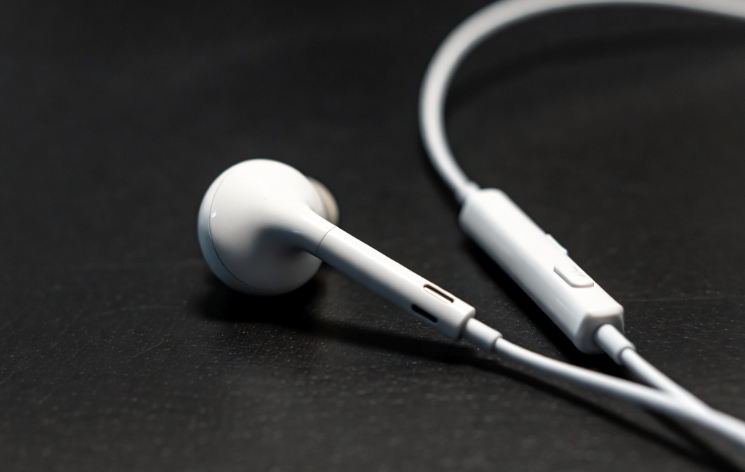
For casual listening, the difference may not be obvious. But for users who spend long hours listening to music, editing audio, gaming, or attending virtual meetings, even small delays or inconsistencies become noticeable.
Wired earphones provide a direct connection that avoids latency issues and delivers steady audio performance without interference.
Changing digital habits
There is also a broader lifestyle shift happening. People are spending more time on devices than ever before, and that constant connectivity is already mentally demanding. Some users are now intentionally choosing simpler setups to reduce friction in daily routines.
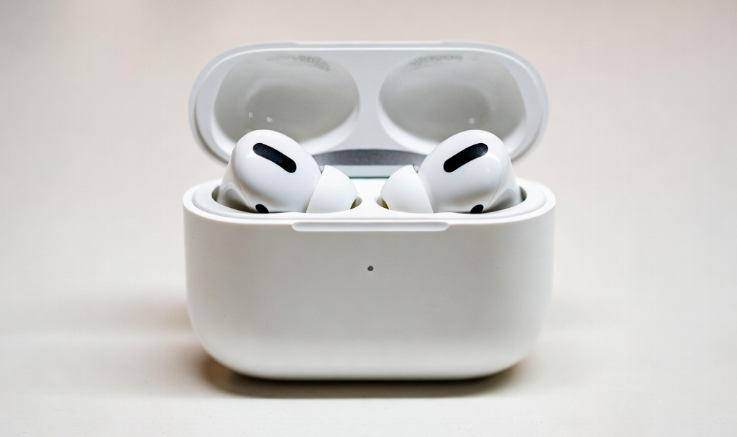
Wired earphones eliminate the need to monitor battery levels or troubleshoot connection issues. In a digital environment filled with notifications, apps, and multitasking, that simplicity feels less like a downgrade and more like relief.
Cost and practical use
Cost and durability also play a role. Wireless earphones tend to be more expensive and easier to misplace. They come with charging cases, batteries, and components that degrade over time.
Wired earphones are generally cheaper, easier to replace, and less vulnerable to loss. For students, commuters, and everyday users, this practicality matters more than premium features.
This does not mean wireless earphones are disappearing. They remain dominant in convenience and mobility. However, wired earphones are no longer viewed as obsolete.
Instead, they are being reconsidered as a dependable alternative for focused use. What is emerging is a balance between the two wireless for movement and flexibility, wired for stability and certainty in everyday listening.