The 50/20/30 rule that can help you save money
By Katemarthason Okudo, May 11, 2026Saving money feels difficult for many people because expenses often come before planning. Bills, transport, shopping, eating out, and small daily spending can quickly drain income before the month ends.
That is why financial experts continue to recommend simple budgeting methods that make money easier to manage without making life feel too hard.
One of the most popular methods today is the 50/30/20 rule, a budgeting system that helps people divide their income into clear categories. According to financial education platform Investopedia, the method is simple, practical, and easy to follow, even for someone who has never created a budget before.
The rule works like a financial pie chart. Every amount earned is divided into three sections: needs, wants, and savings.
Understanding the 50 per cent rule
The largest portion of income, which is 50 per cent, goes to necessities. These are the expenses that support everyday living and cannot easily be avoided.
This includes rent, electricity, water, food, school fees, transport, internet, loan payments, and medical costs. Financial experts quoted by NerdWallet explained that the idea is to ensure essential needs are covered first before spending on anything else.
Many people struggle financially because necessities take up too much of their salary. When basic expenses go beyond half of the monthly income, saving becomes harder, and financial pressure increases.
Reducing unnecessary subscriptions, moving closer to work to cut transport costs, or planning meals at home are some of the small adjustments that can help keep this section manageable.
30 per cent for personal wants
The next part of the pie chart is 30 per cent, which is meant for personal enjoyment and lifestyle choices.
This money can be used for eating out, entertainment, shopping, vacations, hobbies, beauty treatments, or upgrading gadgets. These are not basic needs, but they make life enjoyable and comfortable.
Many people often confuse wants with needs, which is why overspending happens easily. Financial literacy articles published by the Consumer Financial Protection Bureau noted that impulse spending is one of the major reasons many households struggle to stay within budget.
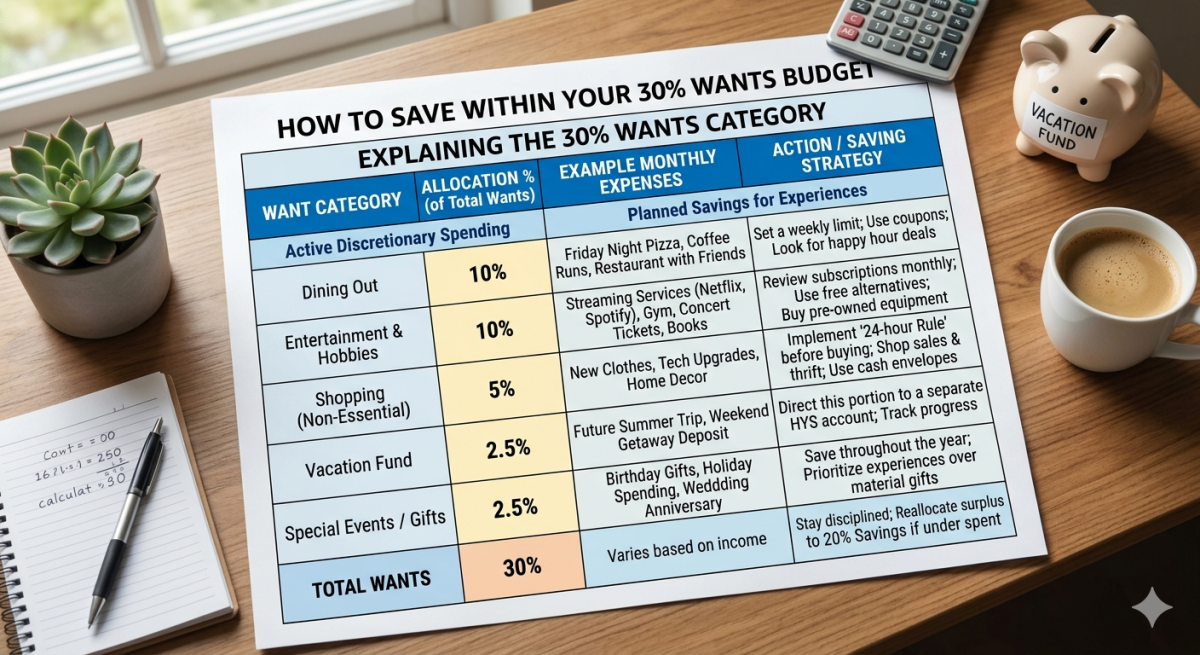
Using this category wisely allows people to enjoy their money without guilt while still maintaining balance. Simple habits such as making shopping lists, avoiding impulse buying, and comparing prices can prevent unnecessary spending.
Why the final 20 per cent matters
The last 20 per cent is reserved for savings and financial security. This is considered the most important section because it helps prepare for emergencies and future goals.
The money can go into emergency funds, SACCO savings, investments, retirement plans, or debt repayment. According to guidance shared by Bankrate, consistent saving, even in small amounts, can reduce financial stress during difficult moments such as medical emergencies or sudden loss of income.
Financial experts encouraged people to treat savings like a monthly bill instead of waiting to save what remains at the end of the month. In many cases, nothing is left after spending.
The 50/30/20 rule may not solve every financial challenge, but it creates structure and discipline.