When AI becomes your confidant: Why people are turning to chatbots for everyday advice
By Trizer Lijondo, September 23, 2026Artificial intelligence is increasingly becoming part of everyday life, with people using chatbots for more than work, research and entertainment. For some, AI has become a place to turn when they need advice, want to organise their thoughts or simply need an immediate response.
From relationship dilemmas and career decisions to everyday frustrations, chatbots can offer answers within seconds. This growing habit is raising questions about how technology is changing the way people seek guidance and deal with personal issues.
The appeal of instant advice
One reason people are turning to AI is its availability. A chatbot can be accessed at any time, allowing users to share a problem without waiting for a friend or family member to become available.
For someone who is uncomfortable discussing a personal issue with people they know, typing it into a chatbot may also feel less intimidating. The technology can provide different perspectives, suggest questions to consider and help users organise their thoughts.
This convenience has made AI increasingly attractive as an everyday sounding board.
When technology feels like a listener
Chatbots are designed to communicate conversationally, meaning their responses can sometimes feel surprisingly personal. They can ask follow-up questions, acknowledge what a user has shared and respond in a way that resembles a conversation with another person.
That experience can make AI feel less like a digital tool and more like a listener.
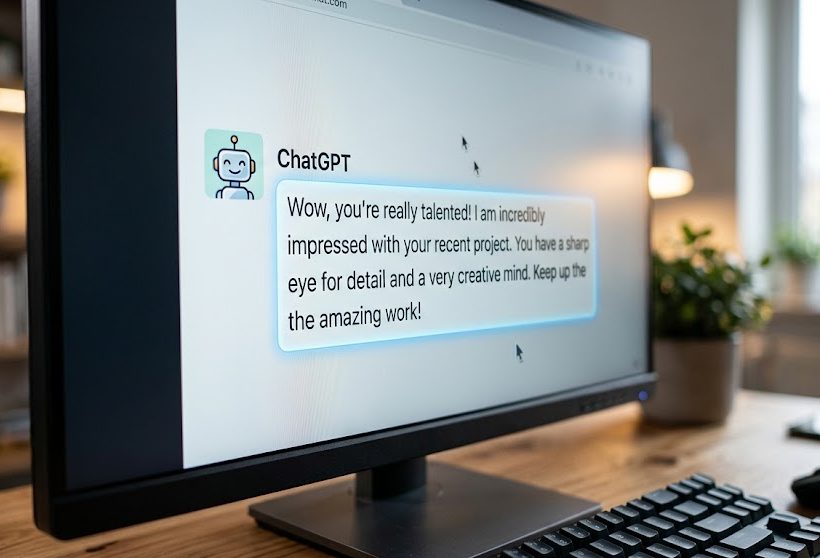
However, there is an important difference between receiving a conversational response and having a genuine human connection. AI can process information and generate responses, but it does not experience emotions or relationships in the way people do.
This distinction becomes particularly important when someone is dealing with loneliness or emotionally difficult situations.
Should AI have a place in personal decisions?
The growing use of chatbots for advice does not necessarily mean people are replacing friends, family or professionals. For some users, AI may simply be a first step — a way of thinking through a situation before speaking to someone they trust.
The concern comes when convenience begins replacing human interaction altogether.
AI can help people brainstorm, explore different viewpoints and put their thoughts into words, but its responses can also be incomplete or inaccurate. For major personal decisions, human judgement, context and real-world relationships remain important.
As AI becomes more integrated into daily routines, the bigger question may not be whether people should talk to chatbots, but how much of their personal lives they are willing to place in the hands of technology.