Advertisement
Social media addiction: Why stopping is harder than it sounds
19th June, 2026 01:32 PM
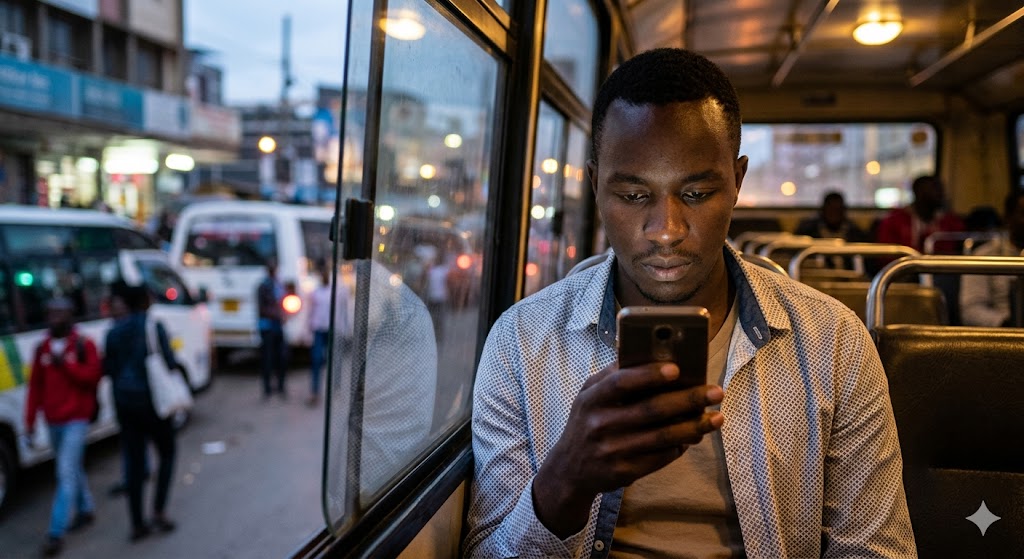
You have probably made the decision more than once. Less scrolling. Less time on the apps. Maybe even a break.
And then, almost without noticing, you are back. Checking, refreshing, reacting.
If this feels embarrassingly familiar, you are not dealing with a character flaw. You are dealing with a system that was deliberately engineered to be very difficult to leave.
Understanding why helps. And there is now enough research on this to make the picture quite clear.
Your brain is being played at its own game
The core mechanism is something called a variable reward schedule.
It’s the same psychological principle that makes slot machines so compelling: the reward comes, but you never quite know when.
On social media, that reward is social feedback – a like, a comment, a share, a reply. Because the timing is unpredictable, your brain’s dopamine system stays in a state of low-level anticipation almost the entire time you are on the platform.

Crucially, research published in a 2024 study noted that “social feedback is both frequent and quantifiable (e.g., number of likes, number of followers) via social media” and that “such social feedback is also usually reinforcing and delivered on a variable ratio reinforcement schedule which is highly resistant to behaviour extinction.”
That last phrase matters: highly resistant to extinction means your brain has been conditioned in a way that doesn’t easily reverse just because you decide it should.
Layered on top of this is the social comparison trigger.
Scrolling exposes you to a curated stream of other people’s highlight reels: their achievements, their bodies, their relationships, their holidays.
Even when you know this consciously, the comparison still registers emotionally. And then there is identity investment: many people have wound a meaningful part of how they present themselves to the world through these platforms.
Walking away, even partially, can feel like an identity problem, not just a habit change.
What the evidence says actually works
The encouraging finding from the research is that reducing social media use, not necessarily quitting entirely, produces real, measurable improvements in wellbeing.
The goal of complete elimination is often what makes change feel impossible.
Framing it instead as intentional reduction (choosing when and how you engage, rather than cutting everything off) turns out to be both more achievable and more effective.

The interventions with the strongest track record tend to share a few features. They address the psychological drivers, not just the behaviour.
Practically, the research also supports some straightforward structural changes: removing apps from your home screen, turning off all non-essential notifications, setting app limits that require deliberate action to override, and designating phone-free windows in your day, particularly around meals, the first hour of the morning, and the hour before sleep.
The key insight across all of it is that willpower alone is a poor strategy.
The platforms are optimised by teams of engineers whose job is to maximise your time on app. Competing with that using raw self-discipline is an unfair fight.
What works instead is changing the environment, changing your understanding of what the pull actually is, and replacing the unmet need – for connection, for validation, for stimulation – with something that genuinely satisfies it.